
Show summary Hide summary
Opening your door to someone in need feels like the right thing to do—and for many families, it was the only choice they could imagine when war forced Ukrainians to flee their homes. But when the days stretch into months, and months into years, that initial generosity can turn into exhaustion. What starts as an act of solidarity sometimes becomes a heavy daily burden.
From Emergency To Everyday Life
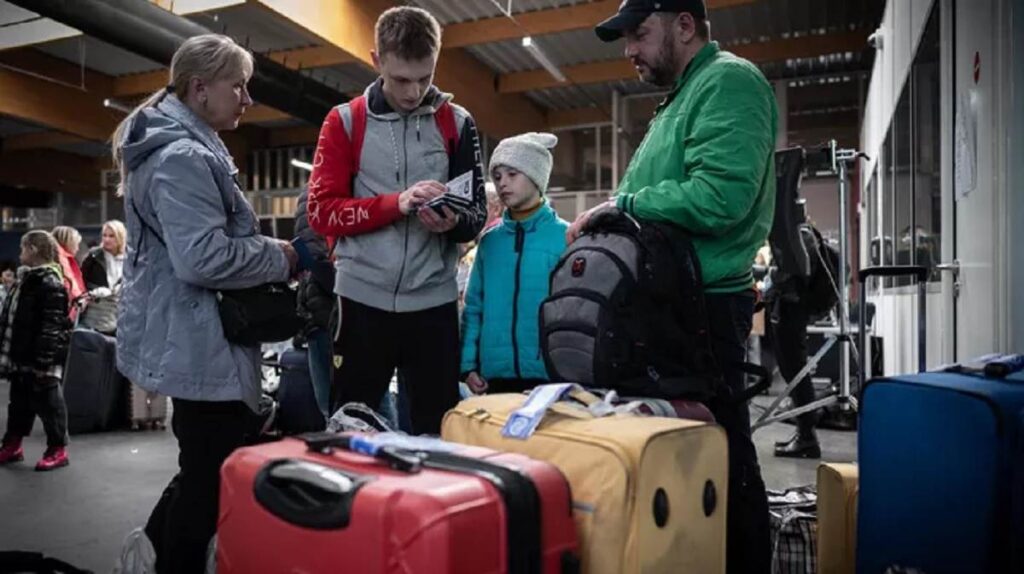
In the early days of the war, thousands of European families rushed to help, offering a bed, a room, or even their entire apartment to strangers in need. It was an emotional response to images of families arriving at train stations with nothing but a suitcase. But as the Office for Immigration and Integration in France reported, around 70,000 Ukrainians are still receiving support today. The state provides a monthly allowance—about €426 per adult—but it often takes weeks to arrive, and it rarely covers the essentials. In the meantime, it is host families who step in to fill the gap.
The Growing Demand for Data-Driven Decision Making in Silicon Valley
He quit, ran out of money, and begged to come back — here’s how his boss reacted
The Hidden Costs Of Hospitality
Sophie, a mother of four living near Tours, recalls how obvious the choice felt at first. “We couldn’t imagine not helping,” she explains. But soon, her family found themselves not only covering food and utilities, but also navigating paperwork, appointments, and the emotional toll of trying to make life easier for their guests. “We hadn’t realized just how endless the time and money investment would be,” she admits. It’s a story echoed in many households: generosity meets the reality of stretched budgets, crowded living spaces, and tired parents juggling more than they can handle.
Emotional Weight And Cultural Clashes
Beyond the financial strain, there’s the emotional one. Families often underestimate how intense it is to share daily life with strangers who carry trauma. Refugees arrive with uncertainty, grief, and the pressure of starting over. Hosts, meanwhile, struggle to balance their own family dynamics with the responsibility of helping someone else rebuild theirs. Differences in language, habits, and expectations sometimes create tensions that nobody had anticipated. Psychologists remind us that even well-intentioned solidarity can fray under the stress of constant proximity.
When Goodwill Meets Reality
Experts in refugee support often stress the importance of sustainable systems over private solutions. While spontaneous hospitality plays a crucial role in emergencies, long-term integration requires housing policies, employment opportunities, and consistent financial aid. Otherwise, the goodwill of individuals risks collapsing under the weight of structural gaps. As UNHCR points out, welcoming refugees is not a sprint—it’s a marathon that requires organized resources, not just goodwill.
Between Pride And Exhaustion
For many host families, the experience is bittersweet. There’s pride in having stood up for human dignity at a critical moment, but also fatigue from the ongoing demands. Some quietly admit, “I can’t take it anymore,” not because they regret helping, but because they’ve reached their limit. The lesson, perhaps, is not that solidarity should be avoided, but that it needs stronger support from governments and communities if it’s to last. After all, generosity is powerful—but it cannot be the only safety net.
You might also like:
- IVF: woman finds soulmate 4 months after choosing to start a family on her own
- Single mom given 10 months to live asks for Christmas cards and thousands respond
- Toronto public transit: man helps ease commuter loneliness with small gestures
- Rescue dog leads 19 Buddhist monks on 2,300-mile peace walk across US
- Bride doing cystic fibrosis treatment goes viral after dancing on wedding night

David Miller is an entertainment expert with a passion for film, music, and series. With eight years in cultural criticism, he takes you behind the scenes of productions and studios. His energetic style guides you to the next big releases and trending sensations.


Man, talk about a reality check. Hosting refugees is no walk in the park. It’s like merging two sitcoms into one – someone’s bound to step on each other’s punchlines. Solidaritys great, but lets be real about the challenges.
Man, I remember when we hosted a family during a crisis. Its tough balancing goodwill and reality. The emotional weight and cultural clashes were real. Solidarity has a price, but its hard to see until youre knee-deep in it.
Man, hosting refugees aint all sunshine and rainbows. Families gotta deal with cultural clashes and emotional baggage. Solidaritys cool, but the hidden costs can be a real headache. Reality check, folks!
Man, hosting refugees aint all sunshine and rainbows, huh? I remember my cousin taking in a family last year, thinking itd be all good vibes and Netflix marathons. Boy, was she in for a reality check! Dealing with cultural clashes and emotional baggage can be a whole rollercoaster ride. Its like signing up for a feel-good movie and ending up in a drama series marathon. But, hey, solidaritys cool and all, just gotta be ready for those hidden costs, right?
Man, hosting refugees aint all rainbows and unicorns. Remember Aunt Marges visit? Yeah, its like that but with more geopolitics. Solidaritys great until culture clashes crash the party.
Man, I remember when we hosted that exchange student for a week, thought I was a saint. But this article slapped me with reality. Hosting refugees aint all sunshine and rainbows. Its a rollercoaster of emotions and clashes. Hats off to those families enduring this rollercoaster ride.
Man, I get it. Trying to help is noble and all, but when the reality kicks in, its a whole different story. The clash of cultures, unspoken expectations, and emotional toll can be draining. Solidaritys great, but lets talk about the real struggles, right?