
Show summary Hide summary
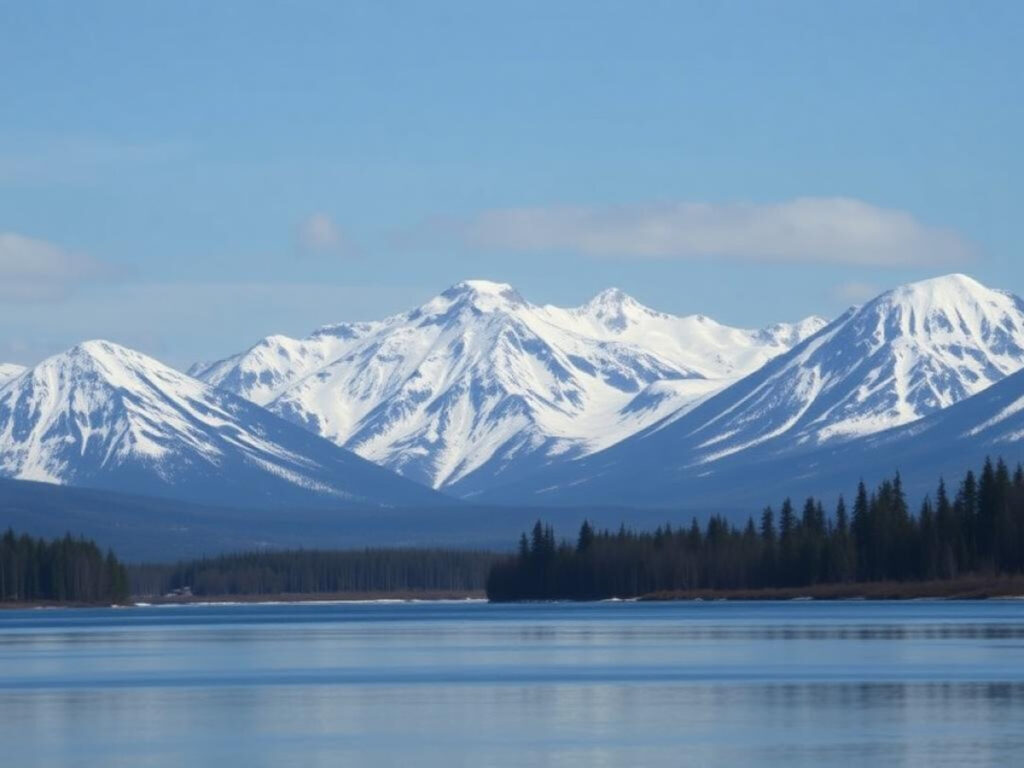
In an unprecedented move that underscores a growing trend toward indigenous leadership in environmental conservation, a coalition of First Nations has recently secured the stewardship of a sprawling territory in Canada’s far northwest, an area twice the size of Florida. This landmark agreement, finalized in Yellowknife—the largest settlement in the Northwest Territories—allocates $375 million to support sustainable, resilient local economies that prioritize ecological preservation over resource extraction. Known as the NWT: Our Land for the Future Trust, this initiative is the largest of its kind in North America and represents a significant step forward in the recognition and empowerment of indigenous stewardship.
Chief Ernest Betsina of the Yellowknives Dene First Nation, representing one of the 21 First Nations involved, shared at the signing ceremony, “This document we signed today has been a long time in the making. It reflects years of collaboration and commitment from indigenous leaders across the North. It reflects our shared understanding that indigenous people have always been the stewards of the land. And it’s time for that responsibility to be recognized and supported.”
Details of the Agreement
The NWT: Our Land for the Future Trust encompasses an impressive 150,000 square miles of land and freshwater. This area not only includes some of the world’s most intact boreal forests and tundra ecosystems but also spans a territory approximately the size of France, Portugal, and Spain combined. This agreement aims not only to protect these vast landscapes but also to foster a model of development that harmonizes economic activities with the profound need for environmental preservation.
The Growing Demand for Data-Driven Decision Making in Silicon Valley
He quit, ran out of money, and begged to come back — here’s how his boss reacted
Financial and Social Impacts
The allocated $375 million will be instrumental in developing non-extractive economic opportunities, ensuring that the local economies thrive without compromising the ecological integrity of the region. Over 12,000 members of various First Nations communities, who make up over 40% of the population in the Northwest Territories, stand to benefit directly from this initiative.
Conservation Goals and Global Context
This ambitious project is not just a local endeavor but also contributes significantly to Canada’s commitment to conserving 30% of its lands and waters by 2030—an objective aligned with global conservation targets set by the United Nations four years ago. The Trust will play a crucial role in maintaining biodiversity and ensuring sustainable use of natural resources in one of the planet’s most pristine environments.
International Efforts in Conservation
Canada is not alone in its ambitious conservation efforts. Nations around the globe, including Australia, are making significant strides toward achieving similar biodiversity targets. These international efforts underscore a collective movement towards more sustainable and inclusive approaches to environmental management.
Inspirational Stories of Land Reclamation
The movement for land back to indigenous peoples has been gaining momentum globally, with several notable successes:
– The Yurok Tribe celebrated the return of ancestral homelands following a historic dam removal.
– Bison were reintroduced to Manitoba First Nation lands for the first time in 100 years.
– After nearly a decade of advocacy, the Chumash Tribe secured the protection of a marine reserve in California larger than Yosemite.
– In a pioneering co-management agreement, California Redwoods will become the first national park administered jointly with a Native American tribe that historically owned the land.
These stories not only highlight successful conservation efforts but also illustrate a broader shift towards recognizing and rectifying historical injustices through the restoration of land rights to indigenous communities. This approach not only benefits the environment but also rebuilds the cultural, spiritual, and physical bonds that indigenous peoples have with their ancestral lands.
You might also like:
- Native elk return to 17,000 sacred Sierra Nevada acres after tribal release
- Yosemite land returned to tribe expelled 175 years ago
- UNESCO adds area the size of Bolivia to reserves protecting 5% of world land
- 85 million acres of private land protected for conservation in the US and Australia
- New bird species discovered in Ecuador could reshape conservation

Michael Thompson is an experienced journalist covering U.S. and global news. With ten years on the front lines, he breaks down political and economic stories that matter. His precise writing and keen attention to detail help you grasp the real‑world impact of every event.

