
Show summary Hide summary
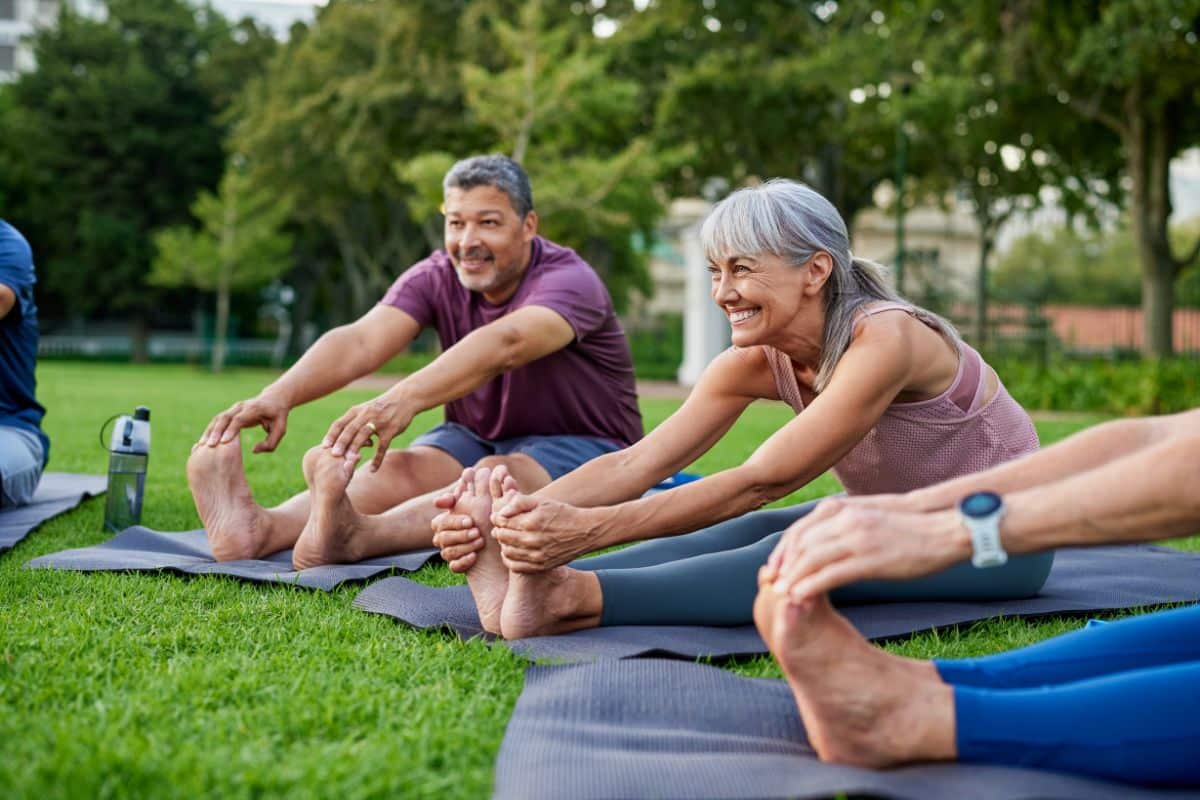
Staying active after 60 isn’t just about “keeping busy”—it’s about preserving freedom of movement, safeguarding long-term health, and feeling good in your own body. Walking is the classic go-to, and running works for those whose joints still cooperate, but many older adults are now turning to an exercise that outperforms both in surprising ways: yoga. And no, you don’t need to twist yourself into a human pretzel to benefit.
Why yoga becomes a powerhouse after 60
As we age, stiffness sneaks up on us. Hours spent sitting (whether at a desk, in front of the TV, or with a good book) gradually translate into tight hips, tense shoulders, and joints that creak like old floorboards. People who reluctantly give up running because of back or knee pain often step into a yoga studio expecting nothing more than gentle stretching—and walk out astonished by the transformation.
Yoga earns its reputation because it works on the whole body at once.
The Growing Demand for Data-Driven Decision Making in Silicon Valley
He quit, ran out of money, and begged to come back — here’s how his boss reacted
- Full-body mobility: Rather than isolating muscles, yoga encourages coordinated movement from head to toe, which helps preserve agility and balance.
- Energy and strength: Styles like vinyasa or yoga sculpt blend heart-pumping sequences with resistance work, offering both stamina and flexibility in one session.
- Joint protection: Many poses strengthen the muscles surrounding the joints, reducing everyday discomfort.
According to the National Institute on Aging, exercises that improve balance, flexibility, and strength are especially important for maintaining independence in later years—precisely the areas where yoga shines.
Why yoga needs a strength-training sidekick
Here’s the truth many people overlook: flexibility alone isn’t enough after 60. With age, muscle mass declines naturally—a process known as sarcopenia—which can affect posture, walking stability, and overall mobility. That’s why experts recommend pairing yoga with light strength training two or three times a week.
Just a set of light dumbbells, resistance bands or bodyweight exercises can help maintain the muscle support your joints rely on.
- Focus on the legs, arms, and core—the pillars of good movement.
- Strength training complements yoga’s flexibility benefits, helping prevent falls and giving your body the structural support it needs.
- The combination ensures you stay mobile, balanced, and strong without exhausting yourself.
Yoga as a protector of bones and joints
Yoga isn’t only for improving posture or calming the mind. It also plays a key role in maintaining bone integrity and joint function—two areas that become more vulnerable with age.
Research published by the Harvard Medical School notes that yoga can help maintain bone density and improve joint comfort, especially for older adults prone to stiffness or early signs of osteoarthritis.
Yoga’s biggest advantages include:
- Improved joint lubrication, which enhances ease of movement
- Reduced stiffness and tension
- Support for bone strength through weight-bearing poses
- Better alignment and posture
But there’s one golden rule: form matters. Practicing yoga with poor posture is like driving a car with flat tires—you’ll go somewhere, but not safely. Always choose sessions suited to your current ability, and don’t hesitate to use props or ask for adjustments.
The bottom line: a balanced routine that pays off
Yoga after 60 isn’t a trend—it’s a remarkably effective, low-impact way to maintain strength, flexibility, and mobility. Paired with light strength training, it forms a well-rounded routine that keeps the body capable, the joints supported, and the mind energized.
No marathons, no sprint intervals—just smart movement that your body will thank you for.
So roll out your mat, pick a session that feels right for your pace and comfort, and let your body discover just how transformative this gentle but powerful practice can be.
You might also like:
- Not walking nor running: this exercise after 60 transforms your mobility and health
- The best sport to prioritize after 60—and no, it’s not walking
- Harvard recommends this surprising activity over walking or running for people 60+
- Neither gym nor running : just 30 minutes of brisk walking transforms your health
- Brigitte Macron’s go-to exercise for a flat stomach at 70

David Miller is an entertainment expert with a passion for film, music, and series. With eight years in cultural criticism, he takes you behind the scenes of productions and studios. His energetic style guides you to the next big releases and trending sensations.


Man, I used to think yoga was all about being a human pretzel. But now I see its like a secret weapon for staying mobile! Who needs all that running when you can stretch your way to agility post-60s? Mind blown!
Man, I used to think yoga was just for hippies until my grandma kicked my butt at it. Now I get it—this stuff is no joke! Who needs running when you can twist and stretch your way to better mobility?
Dude, I always thought yoga was just for hippies and bendy folks. But hey, if it helps with mobility more than my morning jog, maybe I should give it a shot. Who knows, I might finally touch my toes without groaning like an old man!
Man, I used to think yoga was just for the zen types, but turns out its like a secret weapon for your body after 60! Who needs all that running when you can stretch it out and stay mobile? Time to dust off that yoga mat!
Man, yoga after 60? I used to think it was all about pretzel poses and meditation mumbo jumbo. But turns out, its a secret weapon for keeping your body in top shape. Who knew stretching could be so powerful, right?