
Show summary Hide summary
- Camden Council’s review: what the guidance recommends and why it matters
- Monuments already targeted across Britain
- How interpretation panels change the conversation about historical figures
- From action to assumption: the debate over “reading minds” of the past
- Political motivations and cultural signaling
- Practical consequences for public spaces and community memory
- Voices from both sides and the path ahead
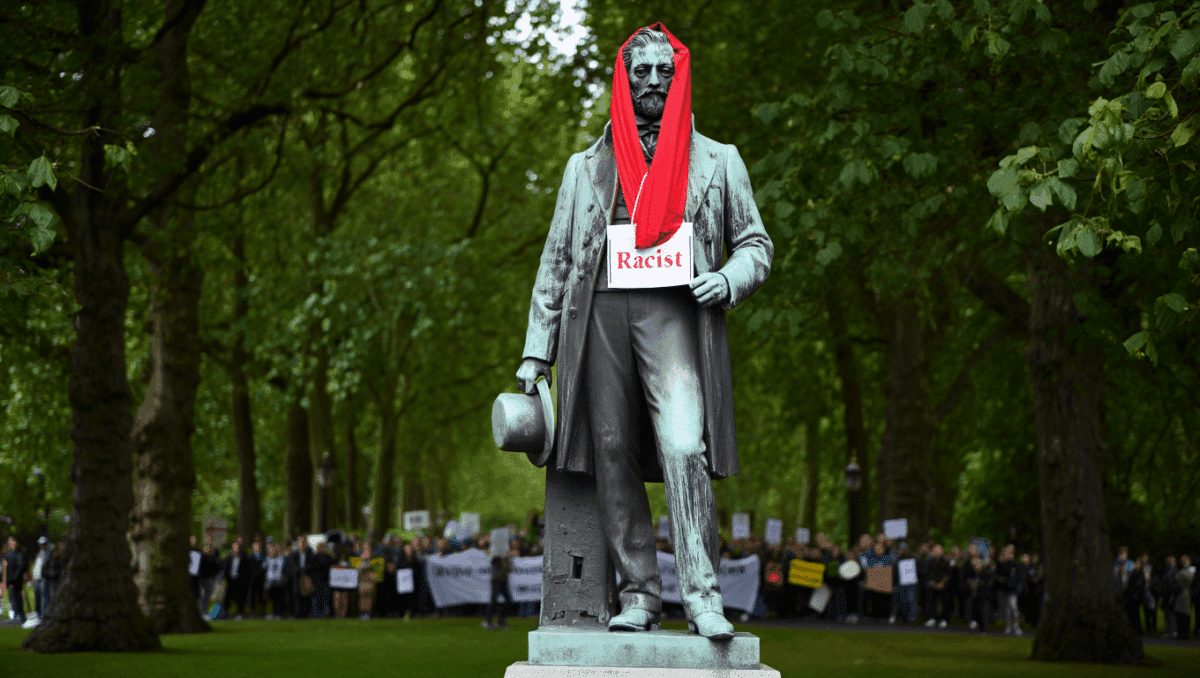
A new row over public monuments in London has sparked fresh debate about how societies remember the past. Camden Council’s recent guidance on reviewing statues, plaques and building names has put local authority officials at the center of a larger national conversation about history, identity and who gets honored in public space.
The controversy is not just about bronze and stone. It reaches into the way institutions assess historical figures — sometimes based on deeds, sometimes on assumptions about beliefs — and whether the act of reviewing memorials is an exercise in historical reckoning or a politically driven rewriting of collective memory.
The Growing Demand for Data-Driven Decision Making in Silicon Valley
He quit, ran out of money, and begged to come back — here’s how his boss reacted
Camden Council’s review: what the guidance recommends and why it matters
Camden’s guidance asks councils and cultural organizations to evaluate public memorials with fresh criteria. Rather than limiting scrutiny to a person’s documented actions, the documents suggest examining whether a commemorated figure “may have held discriminatory ideas” or whether their background reflects a history of exclusion. The guidance also encourages sharing findings with national bodies such as Arts Council England, Historic England and English Heritage.
That shift — from judging behavior to suspecting belief — is the most contentious element. Critics argue it allows modern sensibilities to be projected onto people who lived in very different times, while supporters say it helps communities confront hidden harms and address omissions in the public landscape.
Monuments already targeted across Britain
Camden’s initiative follows several high-profile removals and reviews in recent years, many accelerated by the Black Lives Matter protests in 2020. The movement made the debate visible and urgent, prompting local authorities to reassess which figures deserve public honor.
- In Bristol, protesters toppled and dumped the statue of Edward Colston into the Avon after it emerged he profited from the slave trade.
- London’s Docklands removed a statue of Robert Milligan following public and institutional pressure.
- Cardiff no longer displays the statue of Thomas Picton, whose record in colonial administration and on the battlefield became a focus for campaigners.
- In Edinburgh, several monuments have been formally “under review,” including those to William Pitt the Younger, Adam Smith and Henry Dundas.
Other monuments have been retained but supplemented with explanatory plaques or “interpretation panels” that place a historic figure’s achievements alongside criticisms of their involvement in slavery, colonialism or other injustices.
How interpretation panels change the conversation about historical figures
Interpretation panels are presented as a compromise: rather than removing statues, councils and museums add context. But in practice these panels can alter public perception in a way removal sometimes does not.
Take the example of the famous Elizabethan seafarer commemorated in Plymouth. The accompanying panel acknowledges his role in maritime exploration and in conflicts such as the defeat of the Spanish Armada — but also highlights episodes connecting him to early slave voyages. Some historians point out the nuance: his direct involvement in the slave trade was limited and, in certain accounts, he freed enslaved people during voyages. Yet the panel’s focus shifts public memory toward colonial wrongs rather than nautical accomplishment.
From action to assumption: the debate over “reading minds” of the past
One of Camden’s most disputed recommendations is the idea that many figures from “white, male-dominated spheres of public life” are likely to have held prejudiced views. The implication is that membership in a demographic and professional cohort is sufficient grounds for suspicion.
Opponents call this approach presentism — applying contemporary moral standards to historical actors — and warn it risks erasing complexity. Proponents counter that recognizing systemic exclusion is necessary to create more inclusive public spaces today.
Why this method alarms historians
Academic critics of the approach say history requires nuance: context, primary sources and attention to the norms of an era. They argue that declaring presumptive guilt based on demographic identity flattens individual differences and short-circuits scholarly inquiry. Others point out that many public figures had mixed records — achievements alongside actions or beliefs we now find objectionable — and deserve balanced assessment rather than blanket condemnation.
Political motivations and cultural signaling
For many observers, the Camden campaign is less about uncovering unknown crimes and more about expressing a set of contemporary political values. The review process becomes a form of cultural signaling: local governments demonstrate to residents and interest groups that they are responsive to concerns about race, gender and representation.
That framing has led to accusations that memorial reviews are more performative than forensic, driven by identity politics rather than rigorous historical analysis. Critics say the result can be the wholesale removal or reinterpretation of memorials without adequate public debate.
Practical consequences for public spaces and community memory
What might this tide of reviews mean for parks, town centers and civic buildings? Several outcomes are possible, and councils are already experimenting with them:
- Removal: statues or plaques taken down and relocated to museums or stored.
- Recontextualization: adding plaques, panels or digital guides explaining contested aspects of a person’s life.
- Replacement: commissioning new works that reflect a broader range of local histories and identities.
- Retention with caveats: keeping memorials in place but opening them to public consultation or educational programming.
Each option carries costs — financial, logistical and cultural. Decisions taken by councils can inflame local tensions or, alternatively, spark community engagement and renewed interest in local heritage.
Voices from both sides and the path ahead
Supporters of the reviews argue they are overdue corrections to a public landscape dominated by a narrow set of voices. Critics charge that the process often lacks transparency, rigorous historical method, or democratic consultation. Across the UK, civic organizations, historians, residents and political leaders are weighing in.
The debate now stretches beyond statute and bronze — it asks who gets to define the past and how much weight present-day values should carry in that judgment. The answers will shape public spaces and civic identity in the years to come.
Joanna Williams is a columnist and the author of How Woke Won. Follow her writing and commentary on her Substack and other public platforms.
You might also like:
- The Rest is History podcast offers unity for a fractured nation
- Sandie Peggie challenges trans movement and sparks debate
- Stolen dog’s ashes returned by homeless man who receives thousands to get back on his feet
- Archbishop accused of being woke faces backlash from conservatives
- Two-tier policing: Henry Nowak case prompts calls for reform and accountability

Robert Johnson is a dedicated columnist focusing on political and social debates. With twelve years in editorial writing, he provides nuanced, well‑argued perspectives. His commentaries invite you to form your own views and engage in critical issues.


I aint about erasing history cause some folks feel guilty. Cancel cultures runnin wild, judgin dead dudes for not being 2021 woke. Lets learn from the past, not hide it.
You know, its like folks are trying to erase history instead of learning from it. Cancel cultures gone wild targeting those long gone. Why not focus on making a better future instead of nitpicking the past, eh?
I remember when we could just admire history without all this fuss. Cancel cultures like a tornado, targeting statues left and right. Cant we just learn from the past without tearing it down?
I remember when folks judged actions, not thoughts! Cancel cultures gone wild on them dead white men. Time to focus on living issues, innit? Priorities, people!
Man, these cancel culture peeps be takin it too far. Dead white dudes aint around to defend themselves, but were still judgin em like were perfect? Lets learn from history, not erase it.
Man, I hear ya! Its like everyones on trial in the court of the cancel culture, no chance for appeal. Historys a messy book, but we gotta read it all, not just rip out the pages we dont like. Who decides what stays and what goes, right?
Man, these cancel culture folks need to chill. Dead white men cant defend themselves! Historys messy, sure, but erasing it? Nah, we gotta learn from it, not wipe it clean like a whiteboard.
I remember when we celebrated history without getting all worked up over every little detail. Now its like every statue is on trial for thought crimes. Cant we learn from the past without erasing it?
Man, cancel culture is like a wildfire, aint it? Its wild seein how historical figures gettin the cancel treatment. People should chill and focus on the present, not diggin up the past for drama.
Its like everyones on edge, ready to pounce on any slip-up from the past, aint it? I get it, some things deserve scrutiny, but man, were all flawed in some way. Maybe we should focus more on growth and less on dragging folks through the mud. Lets build, not burn, right?
Man, talk about digging up the past just to tear it down. Cancel cultures out there, hunting dead white men like its a new sport. Cant rewrite history with a wrecking ball, can you?
Oh man, talk about stirring the pot! Cancel cultures like a wild west show these days, aint it? But hey, gotta admit, its like watching a never-ending drama series unfold. Wonder what the next seasons gonna bring. So, whats your take on this whole historical hunt, huh?
Man, these cancel-culture warriors need to chill. Dead white men can’t defend themselves, so why the witch hunt? Let’s focus on, I don’t know, current issues maybe? Just a thought.
Man, cancel cultures like a digital guillotine, aint it? But hey, history aint all sunshine and rainbows. Cant just erase the past cause it makes us squirm. Gotta learn from it, not bury it.
Man, cancel cultures like a storm, aint it? Were all flawed, dead or alive. But those panels? They can add layers to history, help us understand the past without pretending we can peek into minds.
Man, theyre really digging up the past, huh? Cancel culture on a historical spree. Wonder if thisll lead to erasing history or sparking much-needed dialogue. Tough call, but hey, gotta face the music sometime.
Man, its like everyones walking on eggshells these days. Cancel cultures all over, hunting down historical figures. Cant we just learn from the past without erasing it? Balance, folks, balance.
I swear, these cancel culture warriors need to chill. Dead white men aint causing trouble from the grave. Its history, flawed and raw. Lets learn from it, not erase it.
Man, cancel cultures like the Grim Reaper for dead white dudes. Give em a break, theyre not here to defend themselves! Lets focus on making today better instead of digging up the past, yknow?
Man, people these days diggin up dirt on them old statues like theyre Sherlock Holmes or somethin. Cancel culture gone wild, I tell ya. Cant we just enjoy a park without all this history drama?