
Show summary Hide summary
- Why the “I’m Not Listening Tour” matters for UK politics
- Tour route and the headline stops to watch
- What Burnham is pushing: themes and policy priorities
- Reactions from politicians, party insiders and local leaders
- Media strategy, digital reach and the narrative battle
- Implications for Manchester and Labour’s future direction
Andy Burnham’s new campaign, billed as the “I’m Not Listening Tour,” kicked off with an unmistakable blend of theatre and political messaging on 15 August 2026. The tour — part policy roadshow, part performance — has already drawn crowded town halls, pointed headlines and a steady stream of commentary across social and traditional media.
Organizers say the aim is to reconnect with voters outside Westminster and reshape the conversation around regional power, public services and Labour’s direction. Whether it’s a savvy rebrand for a high-profile mayor or a genuine attempt to reset the national debate, the tour is forcing politicians and journalists to pay attention.
Why the “I’m Not Listening Tour” matters for UK politics
The Growing Demand for Data-Driven Decision Making in Silicon Valley
He quit, ran out of money, and begged to come back — here’s how his boss reacted
The name is deliberately provocative, hinting at a refusal to be boxed in by party lines or central command. In practice, the tour offers a chance for Burnham to present a vision that marries local authority experience with broader political critique. Observers see it as a barometer of appetite for change within Labour ranks and among swing voters.
Key reasons political commentators are watching closely:
- Reframing the narrative: The tour shifts the spotlight from internal party rows to public-facing policy proposals.
- Regional leverage: Burnham’s position as the Mayor of Greater Manchester provides a platform to talk about devolution, investment and public services in concrete terms.
- Media-savvy approach: Combining theatrical moments with detailed policy pitches amplifies coverage and social traction.
Tour route and the headline stops to watch
The itinerary spans major northern cities and a handful of strategically chosen swing constituencies. Organizers describe the sequence as designed to highlight areas where local government delivery can be contrasted with national promises.
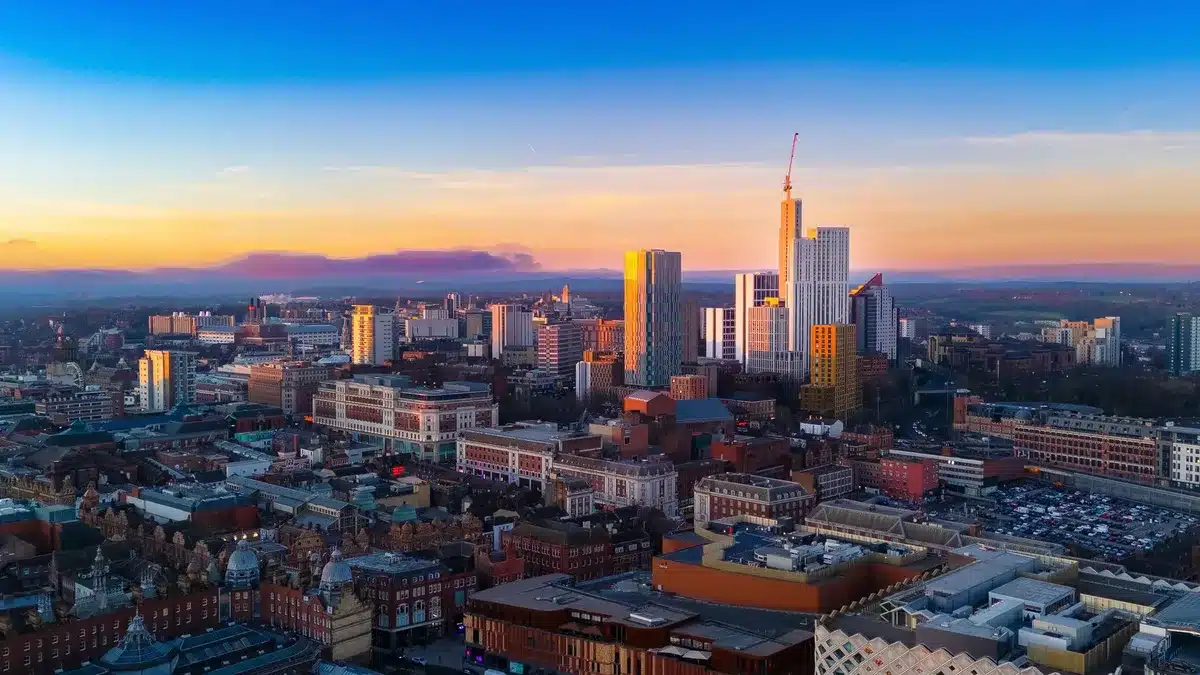
- Greater Manchester — A flagship event showcasing local initiatives and infrastructure plans.
- Sheffield and Leeds — Stops focused on economic renewal and regional investment.
- Midlands towns — A set of engagements aimed at voters in formerly industrial communities.
- London fringe venues — Selected to test messaging with urban, diverse audiences.
Event formats and audience experience
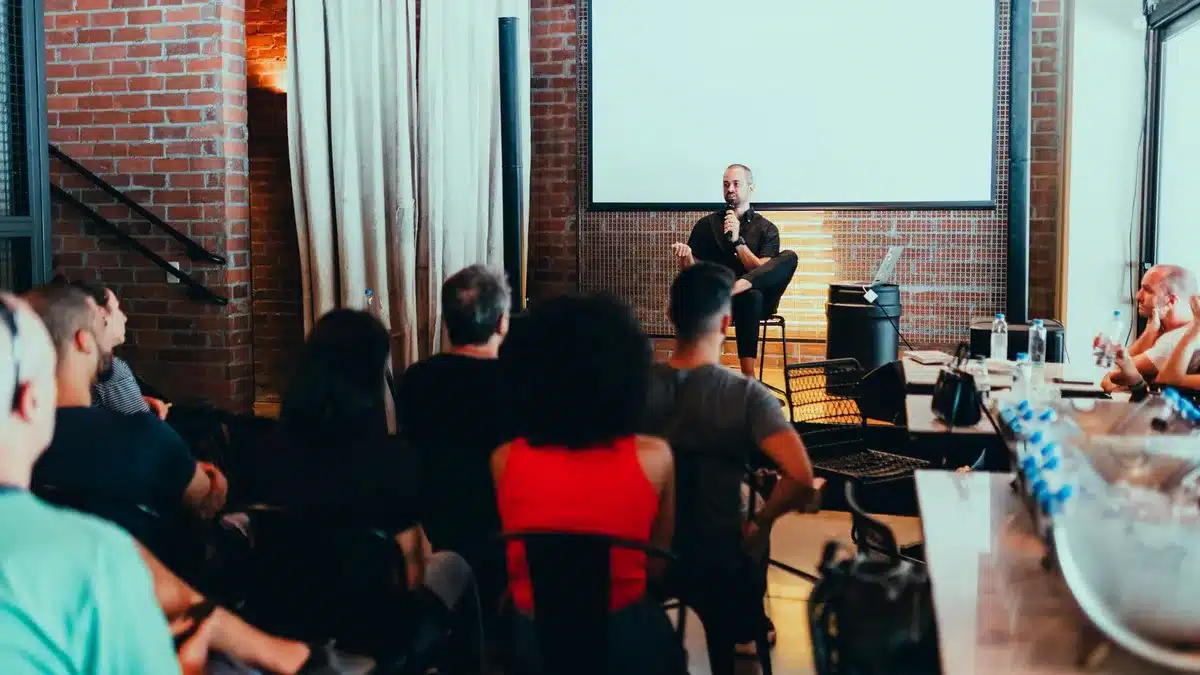
Each stop combines a short keynote from Burnham with round-table discussions, local leader testimonies and a Q&A component. The format is intentionally conversational: event producers want citizens to feel heard even as the tour name suggests otherwise.
What Burnham is pushing: themes and policy priorities
The tour foregrounds a handful of recurring themes that connect municipal governance to national choices.
- Devolution and local control: Calls for clearer fiscal powers and decision-making capacity for combined authorities.
- Health and social care reform: Proposals aimed at reducing waiting times and strengthening community services.
- Economic resilience: Plans to boost local investment, skills training and green industry hubs.
- Housing and transport: Integrated strategies for affordable homes and better commuting links.
Practical proposals versus rhetorical flourish
Speeches alternate between detailed policy ideas and broader critiques of centralized governance. Supporters point to specific pilot programs in Manchester as proof of concept; critics argue some proposals lack funding clarity. The debate will hinge on whether the tour moves from soundbites to fully costed plans.
Reactions from politicians, party insiders and local leaders
Responses have been mixed and often politically calibrated. Within Labour, reactions range from cautious support to outright skepticism.
- Senior party figures have called for engagement with the ideas while warning against public splits.
- Local councillors in host cities largely applauded the focus on devolved solutions.
- Opposition parties framed the tour as a publicity stunt, questioning financing and coherence.
Voices from the street
At several events, residents praised Burnham’s willingness to speak plainly about local problems. Others pressed him on costs and timelines. These on-the-ground exchanges are shaping headlines and helping the tour refine its messaging.
Media strategy, digital reach and the narrative battle
The tour is as much about storytelling as policy. A coordinated multimedia push — combining live-streamed events, short documentary clips and targeted social posts — seeks to build momentum between physical stops.
- Short-form videos emphasize personal stories tied to policy proposals.
- Interactive town-hall features aim to boost live engagement metrics.
- Opinion pieces and long-form interviews are being used to explain complex proposals to national audiences.
How it performs online will matter
Analytics teams will watch engagement, sentiment and geographic spread closely. A successful digital campaign could amplify modest in-person attendance into national influence, while weak traction would leave the tour vulnerable to critics who call it theatre over substance.
Implications for Manchester and Labour’s future direction
For Greater Manchester, the tour doubles as a showcase: successes are presented as models other regions might adopt. For Labour, the exercise tests whether a high-profile mayor can influence party priorities without splitting unity at the top.
- Positive reception could boost calls for more devolution and local accountability.
- Internal friction could prompt behind-the-scenes negotiations about policy ownership.
- Electoral impact will depend on translating ambitious rhetoric into credible, funded plans.
As the “I’m Not Listening Tour” continues, the balance between spectacle and substance will determine whether it reshapes the conversation or becomes a fleeting political moment. Reports from upcoming stops and the reaction from national party leadership will be the next indicators to watch.
You might also like:
- Clacton special election result: did Farage’s gamble pay off?
- Andy Burnham’s devolution plans are all talk and no action
- Starmer vs Burnham: UK Labour Party clash over leadership and direction
- Manchesterism myth: why the idea is a mirage
- Labour safe seats: no constituency is guaranteed

Robert Johnson is a dedicated columnist focusing on political and social debates. With twelve years in editorial writing, he provides nuanced, well‑argued perspectives. His commentaries invite you to form your own views and engage in critical issues.


Mate, Burnhams tour is like a political rock concert, innit? Full UK dates and all the buzz got me thinking, will he drop some unexpected policy beats on stage? Gonna keep an eye on this show for sure!
Burnhams tour? Sounds like a campaign frenzy. Wonder if hes got fresh ideas or its all just a show. Politics is a wild ride, man. Lets see if hes worth the hype.
I remember when Burnham was all over the news. Now, this tour feels like a last-ditch effort. Cant decide if its genuine or a PR stunt. Politics, eh? Always a show.
I totally get ya, mate! Burnham did have his moment, didnt he? Now, this tours got folks scratching their heads. Is it real or just a big ol PR move? Politics, always keeping us on our toes, innit? Never a dull moment in that showbiz drama!
Mate, Burnhams tour is like a political pop-up shop, innit? But with more policy and less merch. Wonder if hell listen to the people or just nod and smile on stage. Time will tell, I spose.
Mate, Burnhams tour is like a political rock concert. The guys taking his show all over, shaking things up. But is it all hype or substance? Gotta see if the tours just fireworks or if theres real policy mojo behind it.
I remember when Burnhams tour hit my town. The energy was wild, but the policies were a mixed bag. People need substance, not just showmanship. Hope he listens more than talks.
Ive been following Burnhams tour – its like a political road trip, innit? Wonder if hes got good tunes for the journey. Hope hes got more than just empty promises in the trunk!
Oh, Andy Burnham on tour, huh? Trying to be the man of the people, I see. Lets hope hes actually listening this time and not just nodding along like a bobblehead. Politics, am I right?
Mate, Andys tour is like a political rollercoaster, innit? Full UK dates got me buzzing. Cant wait to see the crowd reactions. Hope hes got some solid policies up his sleeve!
As a skeptical critic, I gotta say, Burnhams tour better bring the heat. Talk is cheap, ya know? Lets see if he can walk the walk and make some real changes for the people. Time to impress, Andy!
Man, Burnhams tour is like a political rock show! Wonder if hes got the stamina for the long haul. Hope its not all talk and no action. Lets see if he walks the walk.
Dude, Burnhams tour is like a political rollercoaster! Wonder if hes got the guts for the long ride. Hopefully, it aint all talk and no game. Lets see if hes ready to back those big words up!
I used to think political tours were all boring speeches and handshakes. But Burnhams Im Not Listening Tour flips the script. Cant wait to see how he shakes things up across the UK!
Dude, Burnhams tour is like a political rock concert, man! Cant wait to see him live, spitting out those policies and themes. Hope he brings the fireworks, not just the talk!
Yo, I feel you, man! Burnhams tour is like a political rollercoaster with a guitar solo. Cant wait for the fireworks – both on stage and in the discourse! Lets hope he rocks the policies as hard as the crowd, you know?
Andy Burnhams tour got folks buzzing! A mix of curious and skeptical vibes out there. Wonder if hell flip some minds or just preach to the choir. UK politics needs a shake-up, so lets see if Burnham can bring the heat!
Mate, Burnhams tours like a political rock concert! I cant decide if its PR gold or just another trick. Wonder if hes really listening or just playing the game. Whats your take on this showbiz politics?
Mate, Burnhams tour got me all hyped up! Cant wait to see how he shakes things up. Lets hope its not just talk. UK politics needs a good kick in the pants!
I mean, Burnhams tour sounds like a band hitting up all the cities. But hey, if it gets people talking politics, why not? Maybe hell drop some sick rhymes on policy. Who knows? *shrugs*