
Show summary Hide summary
- What happened in Dhaka and how Westminster reacted
- Why the trial’s circumstances complicate the picture
- Allegations beyond the land deals: wider probes and international links
- Sheikh Hasina’s rule and the geopolitical backdrop
- Labour’s internal dilemma: discipline, optics, and promises
- Pattern of leniency? Other controversies inside the party
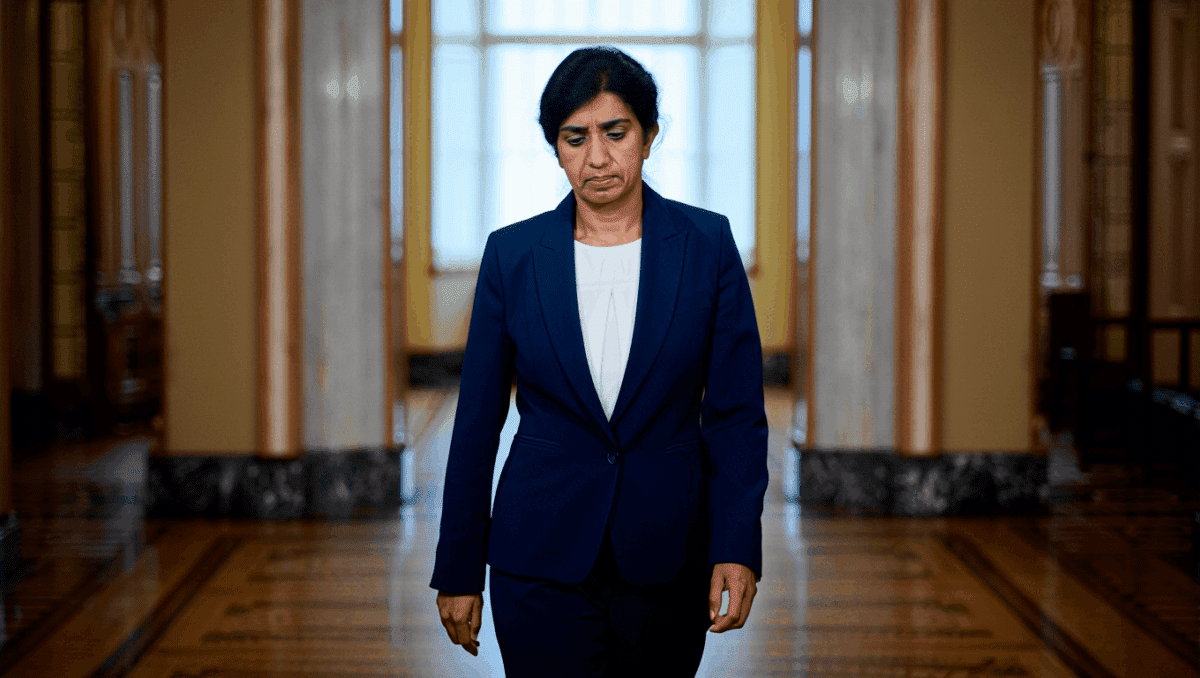
Tulip Siddiq’s conviction in Bangladesh has rattled Westminster — not because it’s straightforward, but because it exposes uncomfortable contradictions in how the Labour Party polices its own. As an MP with close family ties to a controversial foreign leader, Siddiq now faces a two-year prison sentence handed down in absentia, even as she keeps her seat and the backing of Labour’s leadership in London.
The case raises messy questions about political accountability, cross-border justice, and party discipline. From allegations about disputed land deals to broader claims of corruption tied to international projects, the story is part legal battle, part geopolitical drama — and part test for Keir Starmer’s promise to make his party ethically unassailable.
What happened in Dhaka and how Westminster reacted
The Growing Demand for Data-Driven Decision Making in Silicon Valley
He quit, ran out of money, and begged to come back — here’s how his boss reacted
Bangladeshi courts sentenced Siddiq to two years behind bars after finding her guilty in a trial held without her presence. The charges center on property transactions near Dhaka that prosecutors say benefited Siddiq and family members. Siddiq resigned from her shadow role when the allegations first surfaced earlier this year, but she has continued to represent Hampstead and Highgate in Parliament with the open support of Labour leaders.
The contrast between Dhaka’s ruling and No. 10’s response was stark: while Bangladeshi authorities pressed ahead with a criminal judgment, British officials treated the matter with surprising restraint. Labour publicly maintained its trust in Siddiq, and the prime minister’s office signaled no immediate move to suspend or expel her from the party’s parliamentary ranks.
Why the trial’s circumstances complicate the picture
Questions about fairness and political motives
Siddiq insists the conviction is politically driven. Prosecutors in Bangladesh accuse her of using influence within the country to secure multiple plots of land for relatives — allegations she denies. Crucially, she was convicted in absentia, meaning Siddiq did not attend the proceedings and could not present a defense in person. That raises serious legal and human-rights issues for observers who question whether the process met international standards.
- Risk of travel: Siddiq argued that returning to Bangladesh to fight the charges in person would have been dangerous given the volatile political climate.
- Potential bias: The speed and nature of the prosecution, coming amid intense opposition to her aunt’s rule, have led some to suspect the verdict may have been motivated by politics as much as law.
Allegations beyond the land deals: wider probes and international links
Officials in Dhaka have tied Siddiq’s family to a broader corruption probe that reaches into major international projects. Among the claims are accusations that funds from a Russian-backed nuclear power venture were misappropriated, and that properties in north London connect back to those funds. Authorities allege that the family’s benefits were not limited to the plots around Dhaka but formed part of a larger network of illicit gain.
It’s important to underline that these are still allegations: Siddiq rejects them and has not had the chance to defend herself in the Bangladeshi courtroom. Still, the seriousness of the accusations — involving cross-border finance and high-value real estate — makes it difficult for an active MP to focus solely on constituency work while also contesting criminal charges overseas.
Sheikh Hasina’s rule and the geopolitical backdrop
Siddiq’s case cannot be separated from the reputation and downfall of her aunt, the once-powerful Bangladeshi leader Sheikh Hasina. Critics have long accused Hasina of using state power repressively — including enforced disappearances and harsh crackdowns on dissent. Recent legal action against Hasina, including a death sentence on charges of crimes against humanity, has intensified scrutiny of anyone closely linked to her administration.
Whether or not every charge brought against Hasina or her associates is sound, the optics for Siddiq are problematic. Photographs and public appearances over the years have shown family proximity to power, and a record of public support for Hasina’s Awami League complicates claims that Siddiq’s political life in Britain is separate from her family’s activities abroad.
Labour’s internal dilemma: discipline, optics, and promises
Keir Starmer campaigned on a pledge to restore integrity to government and to hold politicians to higher standards. The Siddiq episode has put that pledge under strain. While the prime minister and senior Labour figures have so far resisted calls for suspension or resignation from Parliament, critics argue that this tolerance undermines the message of zero-tolerance on misconduct.
Key tensions for Labour:
- Maintaining due process while protecting public trust in elected officials.
- Handling overseas convictions against sitting MPs without creating a precedent of political vindictiveness.
- Balancing loyalty to party members with the need to appear morally consistent to voters.
Pattern of leniency? Other controversies inside the party
Siddiq’s situation isn’t the only recent example where Labour has been criticized for a measured or delayed response to scandals. High-profile cases involving ministers and senior party figures have raised questions about whether the leadership’s standards apply equally to all members.
- Instances of ministers accused of mistreating tenants or mismanaging housing assets.
- Allegations that senior figures benefitted from tax or stamp-duty arrangements at odds with party rhetoric.
These controversies have fed a narrative that, despite public promises, Labour sometimes hesitates to act decisively when its own are implicated. For opponents and wary voters alike, such inconsistency chips away at claims of moral superiority over political rivals.
This piece was written by Hugo Timms, who works as an editorial assistant at spiked.
You might also like:
- London councillors running for office in Bangladesh: what’s driving the move?
- Peter Mandelson Epstein scandal: why it could cripple the UK Labour Party’s reputation
- Keir Starmer accused of selling out Britain, critics say
- Peter Murrell shopping spree could sink SNP
- Angela Rayner’s Future in Politics: Is This the Final Chapter for the Controversial Leader?

Robert Johnson is a dedicated columnist focusing on political and social debates. With twelve years in editorial writing, he provides nuanced, well‑argued perspectives. His commentaries invite you to form your own views and engage in critical issues.


Man, talk about a plot twist! Anti-corruption minister caught up in corruption scandal? Thats like a superhero turning out to be the villain. Starmers facing a doozy with this one. Wonder how hell spin this mess.
I mean, talk about irony, right? Its like a bad plot twist in a B-movie. But seriously, corruption in the anti-corruption sector? Whats next, vegan chefs secretly BBQ fanatics? The worlds a madhouse.
Mate, thats like a movie plot twist gone wrong. Anti-corruption minister caught in corruption? Starmerism needs a script doctor or something. Its like Dhaka meets Westminster, but with more scandal and less hero vibes.
Man, talk about a plot twist! Anti-corruption minister convicted for corruption? Thats like a bad comedy script. Cant make this stuff up. Makes you wonder whats really going on behind the scenes, huh?
Mate, irony just hit rock bottom. An anti-corruption minister caught in corruption mess? Starmerism summed up in one epic fail. Cant make this stuff up. Whats next, a firefighter setting the house on fire?
Man, corruption scandals in politics are like a bad soap opera you cant stop watching. Just when you think youve seen it all, a plot twist like an anti-corruption minister getting convicted for corruption happens. Life is stranger than fiction, huh?
Man, talk about irony! Anti-corruption minister caught in corruption scandal? Thats peak drama, like a soap opera plot. Wonder how this mess will impact the political landscape, huh? Politics be wild.
Mate, politicians these days are like a box of chocolates, ya never know what youre gonna get! Its like a reality show, but with less drama. Whos writing this script, anyway?
Dude, tell me bout it! These politicians are like playing roulette with a twist. Sometimes you get a smooth talker, other times a train wreck. The scriptwriter must be on a coffee overdose, cause this plot is all over the place. Maybe we should throw in some popcorn and enjoy the show!
Man, a minister getting convicted for corruption? Sounds like a plot twist in a political thriller! But hey, if this is what Starmerism is about, then were in for a wild ride. Wonder whats next on the drama agenda…
Mate, how can an anti-corruption minister end up convicted for corruption? Talk about irony! Its like hiring a firefighter who sets fires. Starmerism just hit a new level of awkward, aint it?
Man, talk about irony! Youd think an anti-corruption minister would steer clear, but nope! Starmerisms taking hits left and right. Its like a bad movie plot playing out in real life, aint it?
Well, well, well, isnt this the plot twist of the century? The anti-corruption minister caught in the act? Talk about irony! Starmerism really hitting us with the unexpected. Wonder whats next in this political rollercoaster.
Man, talk about irony! The anti-corruption minister caught up in corruption? Thats like a firefighter setting things ablaze. Starmers got some serious cleanup to do. Can the dude catch a break?
Man, the irony here is thicker than my grandmas stew. Anti-corruption minister caught in corruption scandal? Thats like a fireman setting buildings ablaze. Starmerisms got some explaining to do… if they can.
Mate, this is like something out of a twisted sitcom plot! How can an anti-corruption minister end up being convicted for corruption? Its like a real-life satire on the whole political system. Irony just hit a new level.
Man, talk about irony! A corruption-buster caught in the act? Starmers got some explaining to do. Politics these days, its like a never-ending soap opera. Cant make this stuff up!