
Show summary Hide summary
- Federal charges: what prosecutors say about alleged funding and fraud
- Donor shock and the optics for progressive philanthropists
- Threat inflation: how the label “extremist” has expanded
- Selective focus: Islamist extremism and perceived blind spots
- Institutional incentives: why some organizations might magnify threats
- Public debate and media portrayal: where the story goes from here
- About the author and further reading
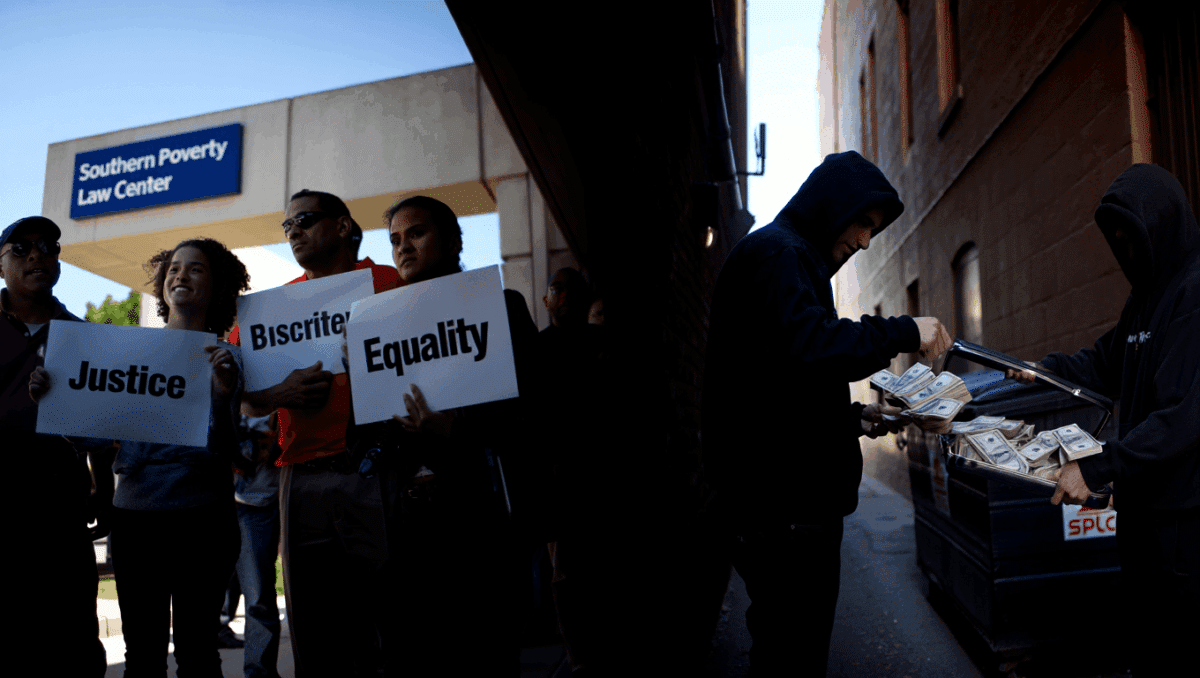
The recent criminal indictment against the Southern Poverty Law Center has unsettled many on both sides of the political aisle. What reads like an improbable plot twist — a civil-rights organization accused of covertly transferring money to the very extremists it monitors — is now playing out in a federal courtroom and in donor inboxes across the country.
Beyond the headlines, this case forces a wider examination: how do anti-hate organizations define and police threats, who benefits from expanded definitions of extremism, and what blind spots shape the modern activism industry? The answers matter for donors, journalists, and anyone trying to separate genuine danger from performative outrage.
Federal charges: what prosecutors say about alleged funding and fraud
The Growing Demand for Data-Driven Decision Making in Silicon Valley
He quit, ran out of money, and begged to come back — here’s how his boss reacted
Key accusations in the indictment
Federal prosecutors contend that the SPLC misled supporters about how it spent charitable contributions and secretly paid sources who joined extremist groups. According to the Department of Justice, millions of dollars were routed — directly or indirectly — to individuals tied to organizations historically classified as extremist.
- Fraud and misrepresentation: Authorities allege donors were not fully informed about the SPLC’s tactics or where funds ended up.
- Payments to informants: The indictment claims the organization compensated people who became embedded with extremist groups, in some cases funneling money to those groups.
- Scope of alleged payments: Prosecutors point to transactions involving organizations with openly racist names and white-supremacist histories.
The SPLC has publicly rejected the claims, calling them politically motivated and insisting it will defend itself vigorously. The case is now entering the discovery phase, a stage that should shed more light on financial records, internal communications, and the organization’s operational choices.
Donor shock and the optics for progressive philanthropists
For many contributors who have long supported civil-rights work, the allegations feel like a betrayal. Wealthy and liberal donors, accustomed to thinking of the SPLC as a bulwark against hate, are now confronting the possibility that dollars intended to fight extremism might have been diverted into its ranks.
- Some donors are demanding detailed accounting of grants and payments.
- Trust in watchdog groups is eroding even among longtime supporters.
- Media coverage of the scandal is fueling broader skepticism about institutional activism.
Whether the indictment proves true, the episode will likely push philanthropists to seek greater transparency and stronger oversight when they fund advocacy groups that track and litigate against hate.
Threat inflation: how the label “extremist” has expanded
One core critique in this debate is that the definition of “extremist” has broadened dramatically over time. Critics argue that some monitoring groups have lumped mainstream conservative organizations and religiously motivated activists in with violent white-supremacist networks, blurring lines between genuinely violent actors and people with unpopular or conservative viewpoints.
Examples often cited by those who feel unfairly targeted include campus-focused groups and faith-based legal teams that oppose certain progressive social policies. Labeling such organizations as part of a hate ecosystem has consequences for their funding, public reputation, and legal exposure.
- Organizations that emphasize traditional religious values have sometimes been listed alongside hate groups.
- Civic groups opposing gender ideology in schools have described themselves as unfairly stigmatized.
- High-profile activists and student organizations have complained of being painted as extremist for positions many consider mainstream conservative views.
This expansion of categories can chill debate and make it harder to distinguish between genuinely dangerous movements and controversial but nonviolent political players.
Selective focus: Islamist extremism and perceived blind spots
Another recurring criticism is that some anti-hate organizations show a pattern of downplaying or mischaracterizing Islamist extremism while aggressively targeting other forms of right-wing activism. Detractors point to instances where critics of radical Islamist ideology — including outspoken survivors and reform advocates — have been labeled problematic by watchdog publications.
One high-profile example involved a prominent critic of Islamist practices who was listed in a report many saw as treating her free-speech advocacy as a form of dangerous propaganda. For observers who follow global terrorism and religiously motivated violence, such listings can read as an inversion of priorities.
- Accusations that the movement prioritizes certain threats over others.
- Concerns about inconsistency in how violence, threats, and hateful rhetoric are assessed.
- Claims that political sensitivities sometimes influence which dangers get amplified.
Institutional incentives: why some organizations might magnify threats
Analysts and critics point to structural incentives that shape how activist groups operate. Organizations that track hate and extremism rely on donations, grants, and public attention to stay funded and relevant. That funding model can create pressure — conscious or not — to produce alarming narratives that attract headlines and philanthropic dollars.
Possible effects of those incentives include:
- Broader definitions of risk to generate more incidents to report.
- Frequent public warnings that maintain visibility and justify continued fundraising.
- Legal and consulting work that grows alongside a reputation for exposing “threats.”
When mission maintenance becomes a revenue driver, transparency and accountability become even more essential. Donors and the public need clear metrics and independent audits to ensure claims are evidence-based rather than institution-preserving narratives.
Public debate and media portrayal: where the story goes from here
Coverage of the indictment has become a flashpoint in larger cultural battles over free speech, public safety, and the role of watchdog groups. News outlets, political commentators, and grassroots organizations are already framing the story through different lenses — some treating the charges as vindication of long-standing critiques, others warning that the prosecution reflects partisan targeting.
Key variables that will shape public perception in the coming months include:
- The substance of courtroom evidence and financial disclosures.
- How the SPLC responds with documents, testimony, and reforms if necessary.
- Whether independent auditors or regulators release findings that corroborate or contradict DOJ claims.
As the legal process unfolds, this episode is likely to prompt renewed calls for rigorous standards in how organizations classify and report on extremism, and for clearer safeguards to prevent mission drift driven by financial incentives.
About the author and further reading
The original piece was penned by a veteran political commentator and editor who writes regularly about civil liberties, media, and culture. Their work includes a podcast and several books exploring contemporary political conflicts. Readers seeking more context should look for court filings and reporting from multiple outlets to compare claims and evidence as the case progresses.
You might also like:
- Emmanuel Clase, Luis Ortiz face prison after pitch-fixing scandal
- Tim Walz defended alleged Somali welfare fraud suspects: why critics say he shielded them
- Bondi controversy: western leaders’ deflections are obscene
- Islamism is a growing threat to German public life
- Radical Islam history: forbidden origins, rise and global impact

Robert Johnson is a dedicated columnist focusing on political and social debates. With twelve years in editorial writing, he provides nuanced, well‑argued perspectives. His commentaries invite you to form your own views and engage in critical issues.


Man, its like a carousel, innit? Anti-extremism movement feels like a fancy cover-up for power plays. Always some folks taking advantage. Hard to trust anyone these days.
Mate, spot on! Its like everyones playing their own game under the guise of fighting extremism. Cant blame ya for being skeptical. Trusts like a rare Pokémon these days. Who do we even believe anymore, right?
Man, Ive seen this rodeo before. Anti-extremism? Yeah, right! Its all a smokescreen for power plays and shady deals. Dont trust the suits and ties, theyre just as shady as the ones theyre pointing fingers at.
Man, this anti-extremism thing feels like a rollercoaster. They label everyone and their grandma as extremists nowadays. Cant trust anyone! Wonder if this whole movements just a cover-up for something bigger…
Man, this whole anti-extremism thing feels like a circus. Everyone pointing fingers, but whos really clean? Its like a game of spot the hypocrite. Cant trust anyone these days.
I hear ya, buddy. Its like trying to find a needle in a haystack, except the haystacks made of needles. Everyones got skeletons in their closet, but some are just better at hiding em. Aint that the truth? Trust is like a rare Pokémon these days – gotta catch em all, but whos the real Pikachu, right?
Oh, here we go again, the ol anti-extremism dance. Its like a broken record, same tune, different lyrics. Always some shady stuff going on, isnt it? Cant trust anyone these days, not even the so-called saviors.
Man, these anti-extremism movements got me side-eyeing hard. Feels like theyre the ones pulling the strings. Always some shady stuff going on behind the scenes. Can we even trust anyone these days?
Man, this anti-extremism gig? Its like trying to catch a slippery eel in a tub of butter. Everyones got their own definition of extremist. Like, who decides where the line is drawn? Its a hot mess, I tell ya.
Man, I remember when folks called out extremism without a second thought. Now its like everyones got their own definition. Hard to trust those anti-extremism movements when they seem shady themselves.
I knew it, mate! Anti-extremism movements just a front for something shady. Always felt like a smokescreen, didnt it? Now, with these federal charges flying around, truths finally coming out. Cant trust anyone these days, can ya?
Mate, you got a point there! Things can get real murky when it comes to these movements, eh? Its like peeling an onion—layers and layers of hidden agendas. But hey, maybe its a wake-up call for us all to stay sharp and question whats really going on behind the scenes, innit? Trust? Thats a rare gem these days, for sure.
So, lemme get this straight… Anti-extremism movement is just another hustle? Figures, everybody wants a piece of the pie. Cant trust anyone these days, not even the so-called good guys.
Wait, hold up a sec! Its like the more you peel back the layers, the more you see everyones in it for themselves, huh? Trust seems like a rare gem nowadays. Whos really looking out for the greater good, ya know? Its a jungle out there. But hey, at least were not alone in being skeptical, right?
Man, these so-called anti-extremism movements, always feel like a smokescreen. Dont they end up playing both sides? Its like trying to hunt two rabbits at once – you end up empty-handed. Extremism or opportunism, who can tell the difference anymore?
I used to believe in anti-extremism, but its all a scam. The so-called movement is just a cover for power-grabbers. Dont fall for it. Stay woke, folks.
Man, I feel you on that one. Its crazy how some movements get twisted by power-hungry folks. Its like, how do you trust anything these days? But hey, staying aware is key. Cant be falling for every flashy slogan out there. Gotta keep those eyes open, right?
Man, Ive seen this rodeo before. Anti-extremism movements? More like a front for power games. Always some shady dealings behind the scenes. Its like a never-ending cycle of drama and deceit.
Man, Ive seen this play out before. Anti-extremism talk turns into a circus, always some shady stuff behind the scenes. Gotta wonder whos really pulling the strings in this mess. Trust no one, I say.
Ugh, these anti-extremism movements, always feelin like a scam to me. They talk big, but then you dig deeper, and its all murky waters. Cant trust anyone these days. Its like a never-ending circus of smoke and mirrors.