
Show summary Hide summary
- Why platforms delay releases after real-world violence (and what that means for free expression)
- Racial violence, memory, and art that forces a reckoning
- Media, power, and institutions under scrutiny
- Online radicalization, toxicity, and youth at risk
- Dystopia, gender, and the politics of bodily autonomy
- Films that unpack economic collapse, race, and resilience
- Climate, spectacle, and cultural distraction in contemporary cinema
- Innovative indie films and heartbreak that linger
- Contemporary festival hits and controversial new releases
- How these titles serve public conversation — themes to watch for
- Where to stream the most talked-about socially conscious titles
When art imitates life, the reaction can be as revealing as the work itself. Lately, streaming services and studio executives have been quick to push pause on projects that mirror recent tragedies — a pattern critics say amounts to self-censorship rather than careful stewardship. That impulse to delay can quiet important conversations these films and series were designed to spark.
One recent spark: Apple TV temporarily pulled the release of The Savant in the weeks after Charlie Kirk’s assassination. The drama, led by Jessica Chastain, centers on an investigator who infiltrates white supremacist networks to stop potential mass shootings. Apple told Deadline the decision followed “careful consideration” and that the series will be released later; Chastain, posting on Instagram, said she was disheartened and referenced the rise in violence the country has endured while the show was in development. The episode highlights how sensitive real-world events shape what audiences get to see — and when.
Why platforms delay releases after real-world violence (and what that means for free expression)
The Growing Demand for Data-Driven Decision Making in Silicon Valley
He quit, ran out of money, and begged to come back — here’s how his boss reacted
Studios often frame release delays as respect for victims or prudence in a volatile news cycle. But the effect is frequently the same: a cultural conversation gets postponed or diluted. When companies react to headlines by shelving art, they sometimes do more to protect brand reputation and investors than to start meaningful dialogue. Critics argue this pattern sidelines creators who aim to hold a mirror up to uncomfortable realities.
- Corporate caution vs. cultural urgency: Platforms stress caution; creators call for context and engagement.
- The timing problem: Shelved projects may lose momentum, diminishing their impact when they finally arrive.
- Who decides what’s tasteful? Decisions are often made by executives removed from the communities the work addresses.
Racial violence, memory, and art that forces a reckoning
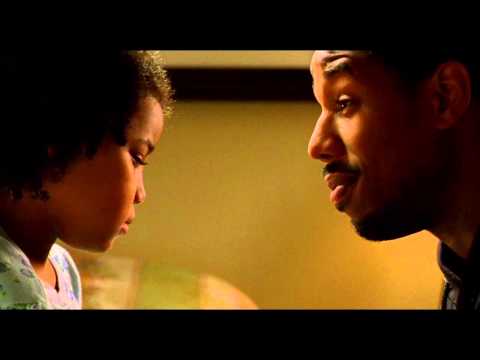
Fruitvale Station (2013) — Ryan Coogler’s debut on police killing and grief
Ryan Coogler introduced himself with a quiet but devastating portrait of Oscar Grant’s last day in Fruitvale Station. Michael B. Jordan’s performance anchors a film that tracked a single life interrupted by state violence, arriving at a moment when the country was already grappling with the deaths that helped energize the Black Lives Matter movement. This film put a human face on systemic racism for audiences who’d rarely seen stories like this on screen. Available on Prime Video.
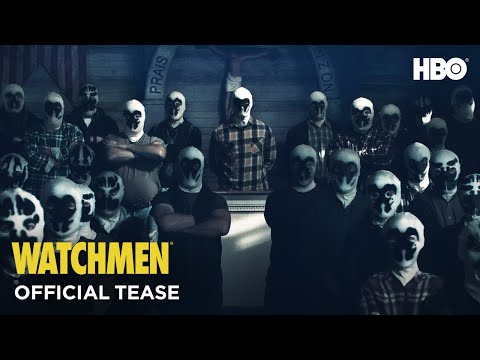
Watchmen (2019) — Rewriting history to confront buried horrors
Set in an alternate present but rooted in real atrocities, HBO’s Watchmen reframes the 1921 Tulsa Race Massacre and follows descendants living with intergenerational trauma. Regina King’s turn as a masked enforcer ties superhero tropes to the legacy of racial violence, reparations, and contemporary white supremacist threats. The limited series is an example of genre storytelling used to excavate painful historical truths. Stream it on HBO Max.
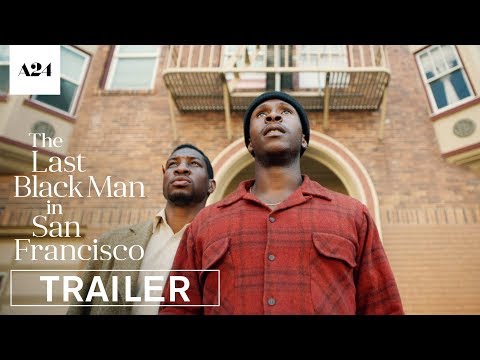
The Last Black Man in San Francisco (2019) — Gentrification and the meaning of home
This Sundance standout reframes gentrification through the story of Jimmie Fails and a house he believes belongs to his family. The film is a meditation on displacement and memory, showing how neighborhood change erases more than property; it reshapes identity. For viewers in rapidly changing cities, its quiet heartbreak still resonates. Rent on Prime Video or AppleTV.
Media, power, and institutions under scrutiny
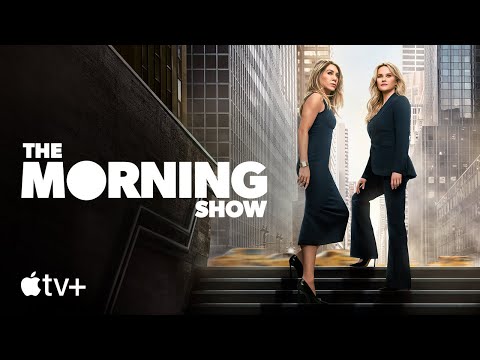
The Morning Show (2019–present) — How newsroom dramas map onto real scandals
Apple TV’s The Morning Show mines contemporary newsroom turmoil — from #MeToo-era reckonings to pandemic-era chaos and the rise of AI — through high-profile performances by Jennifer Aniston and Reese Witherspoon. Each season interrogates journalism’s ethics and the pressures of ratings-driven media. If you want a show about how institutions bend under pressure, this is essential viewing. Stream on AppleTV.
The Wire (2002–2009) — A systemic anatomy of urban America
David Simon’s landmark series dissects the interconnected forces — policing, politics, education, media, and labor — that shape an American city. Though set in Baltimore, The Wire’s portrait of institutional failure reads like a case study for cities nationwide. Its realism and scope make it a go-to text for understanding policy, corruption, and social harm. Available on HBO Max.
Don’t Look Up (2021) — Satire on politics, media, and public denial
Adam McKay turned planetary disaster into a blistering satire about how politics and celebrity can warp public response to existential threats. The film reframes climate panic as a spectacle, asking who benefits when urgent warnings are dismissed as partisan noise. It’s blunt, divisive, and intentionally provocative. Watch on Netflix.
Online radicalization, toxicity, and youth at risk
Adolescence (2024) — The internet’s darker lessons
Netflix’s short but searing series explores how the manosphere and online radicalization can radicalize teenagers into violent acts. Centered on a 13-year-old boy whose worst impulses escalate, the show is a case study in how isolated youth can be influenced by toxic online subcultures. Stream on Netflix.
Severance (2022–present) — Work, identity, and institutional control
Severance uses speculative corporate tech to dramatize the costs of trying to separate life from work. In Lumon Industries’ sterile offices, employees’ memories are split, producing an existential horror about consent and autonomy at work. The series landed during a moment when many Americans were rethinking labor norms, remote work, and surveillance. Available on AppleTV.
Dystopia, gender, and the politics of bodily autonomy
The Handmaid’s Tale (2017–2025) — A fiction that echoes legislative fights
Margaret Atwood’s dystopia has always felt like a warning; the Hulu adaptation became especially resonant after national shifts in reproductive rights. Its depiction of state control over women’s bodies and the punishment of dissent mirrors current debates about legislation, privacy, and bodily autonomy. Stream on Hulu.
I May Destroy You (2020) — Survivor-centered storytelling about consent
Michaela Coel’s deeply personal series reframes the conversation about sexual violence, consent, and the messy process of recovery. Coming on the heels of the #MeToo movement’s broader reckoning, the show combines raw emotion with structural critique. Available on HBO Max.
After The Hunt (2025) — Privilege, accusation, and the messy politics of belief
Set on a college campus, After The Hunt examines who gets believed when allegations surface, interrogating dynamics of wealth, race, and reputation. With Ayo Edebiri and Julia Roberts leading a story about mentorship, betrayal, and public judgment, the film raises uncomfortable questions about accountability in elite institutions. It hit theaters in October and will release digitally on Prime Video. Watch for its probing take on cancel culture and consent.
Films that unpack economic collapse, race, and resilience
The Big Short (2015) — A financial crisis explained with dark humor
Adam McKay’s film turned complex financial instruments and Wall Street excess into a sharp, accessible indictment of the forces behind the 2008 housing crash. Using stylized breaks in the fourth wall and a star-studded cast, it exposes how greed and opacity led to widespread economic harm. Stream on Paramount+.
If Beale Street Could Talk (2018) — Love amid injustice
Barry Jenkins adapted James Baldwin’s novel into a tender, devastating film about a young Black couple torn apart by false accusations and a biased criminal justice system. The film treats systemic oppression with empathy, centering family and love as forms of resistance. Now on Prime Video.
Climate, spectacle, and cultural distraction in contemporary cinema
Don’t Look Up revisited — Why satire still stings
Though already listed above, Don’t Look Up deserves a second look in this category for how it reframes scientific warnings as media events. Its satire of distraction politics connects to broader anxieties about climate denial, misinformation, and performative leadership.
Innovative indie films and heartbreak that linger
The Last Black Man in San Francisco — A poetic argument about place
Returning to this film’s unique tone, its blend of dreamlike visuals and urban critique positions it as an urgent elegy for neighborhoods erased by market forces. The film’s quiet insistence on memory and belonging makes it endlessly rewatchable.
Contemporary festival hits and controversial new releases
One Battle After Another (2025) — Revolution, reunion, and cultural backlash
Paul Thomas Anderson’s latest has generated intense praise and political pushback. With Leonardo DiCaprio leading a cast that includes Teyana Taylor and Chase Infiniti, the film explores the cost of joining a prolonged struggle for freedom — interrogating racism, sexism, xenophobia, and classism in its sprawling narrative. A subplot about immigrant rights places current enforcement policies front and center. In theaters now; digital release on November 20.
The Savant — A controversial postponement and the art it represents
Jessica Chastain’s series, which dramatizes an investigator working to disrupt white supremacist plots, was delayed by Apple TV after the assassination of Charlie Kirk. Rather than removing the project entirely, the platform has said it will reschedule the release. The debate over the postponement highlights a larger tension: do platforms owe viewers immediate access to art that addresses the darkest parts of our moment, or should they wait for calmer news cycles?
How these titles serve public conversation — themes to watch for
- Accountability: Many titles interrogate institutions — police, media, corporations — and how they evade responsibility.
- Radicalization and online harm: Shows like Adolescence and Severance examine the digital forces shaping behavior and identity.
- Memory and displacement: Films about gentrification and historical erasure insist on preserving stories communities risk losing.
- Gender, consent, and power: Several entries center survivor narratives and the structures that enable abuse.
- Satire as mirror: Works like Don’t Look Up use satire to force a reckoning with public indifference to major threats.
Where to stream the most talked-about socially conscious titles
- Prime Video: Fruitvale Station, If Beale Street Could Talk, The Last Black Man in San Francisco (rent options)
- HBO Max: Watchmen, The Wire, I May Destroy You
- AppleTV: The Morning Show, Severance
- Netflix: Adolescence, Her, Don’t Look Up
- Hulu: The Handmaid’s Tale
- Paramount+: The Big Short







You might also like:
- Netflix: 7 must-watch movies and shows in February
- Best movies and TV shows to stream in August
- Off Campus TV hockey romance: everything we know
- Summer I Turned Pretty movie: everything we know
- Every Year After on Amazon Prime Video: everything we know

David Miller is an entertainment expert with a passion for film, music, and series. With eight years in cultural criticism, he takes you behind the scenes of productions and studios. His energetic style guides you to the next big releases and trending sensations.


Man, films like Fruitvale Station and shows like Watchmen really hit hard, you know? They dont shy away from the tough stuff. They make you think, feel, question… Thats what storytelling should do, shake you up a bit.
Oh man, I feel you on that! Those kinds of films and shows really pack a punch, dont they? They dive deep into the real stuff, no sugarcoating, just raw emotions and hard questions. Its like a rollercoaster for the feels, makes you sit up and pay attention, you know? What other stories hit you like that lately?
I remember watching Fruitvale Station – it hit hard. Such a raw portrayal of racial injustice and loss. Art has to shake us up sometimes to make us face the ugly truths. Its like a wake-up call, you know?
Man, when I watched Fruitvale Station and Watchmen, it hit hard. Those stories cut deep into real issues, no sugarcoating. Arts gotta make us uncomfortable sometimes to wake us up, right?
Totally feel ya, man. Those flicks hit like a ton of bricks, no lie. The rawness of those stories, no fluff, just realness. Its like a cold shower for the soul, wakes you up proper. Gotta respect when art goes there, right?
Man, watching Watchmen (2019) was like diving into a wild alternate reality where history gets a makeover. Its a mind-bender that makes you question everything. Cant get enough of that bold storytelling!
Man, when I think about films and shows that really hit home with whats going on today, Watchmen and Fruitvale Station come to mind. They dont shy away from the tough stuff, ya know? Real talk, thats the kind of storytelling we need more of.
Oh man, I feel you on that! Watchmen and Fruitvale Station really hit different, dont they? They dive deep into the real stuff without holding back. Its like a punch in the gut, but in a good way, ya know? Makes you think about things youd rather avoid. So, what other movies or shows do you think could handle tough topics like those two?
Man, art really hits different when it mirrors society, right? Watchmen, dang, that show aint afraid to dive deep into the uncomfortable stuff. Gotta respect that bold storytelling. Its like a punch in the gut, but in a good way.
Man, Watchmen really shook things up, huh? Rewriting history, confronting buried horrors—its like holding up a mirror to societys ugly truths. Art with guts, I tell ya. More of this, less of the fluff, am I right?
Man, Watchmen (2019) really hit hard with its social commentary. Shows like that make you question everything, ya know? Its like a slap in the face to wake up and see the truth. Ryan Cooglers Fruitvale Station did that too, real talk.
Man, these times are wild. Watchmen really hit the nail on the head with its bold storytelling. Its like a mirror reflecting our societys ugliest truths. Art that makes you think, yknow?
Dang, right on the money with that one! Watchmen is like holding up a cracked mirror to society, showing all the messed-up stuff wed rather pretend aint there. Makes you think, dont it? Its raw, in-your-face storytelling that hits hard. Makes you wonder how much of it were blind to in real life, yknow?
Man, Watchmen hit hard, yknow? Rewritin history, confrontin horrors, thats some bold storytelling right there. Gotta give props to creators who aint afraid to shake things up. Whats your take on it?
Man, films and TV shows nowadays really hit close to home. They make us face uncomfortable truths, you know? Like Watchmen and Fruitvale Station – raw, real, and necessary. Art should stir things up, make us think, and challenge the status quo.
Man, Watchmen really shook me up with its bold take on history and racism. Its like a wake-up call wrapped in a superhero suit. Films and shows like these force us to face uncomfortable truths.
Yo, can we talk about Fruitvale Station? That film hits hard on police brutality. And Watchmen tho, rewriting history to tackle dark truths? Mind-blowing stuff. These stories, man, they hit close to home.