
Show summary Hide summary
- How local elections revealed a durable populist bloc in Britain
- From the Brexit referendum to a national movement
- New social divides: populism versus managerial centrism
- How media and political elites respond to the populist surge
- What contemporary populism stands for
- Why some parties labeled “populist” don’t fit the bill
- Electoral consequences and political realignment to watch
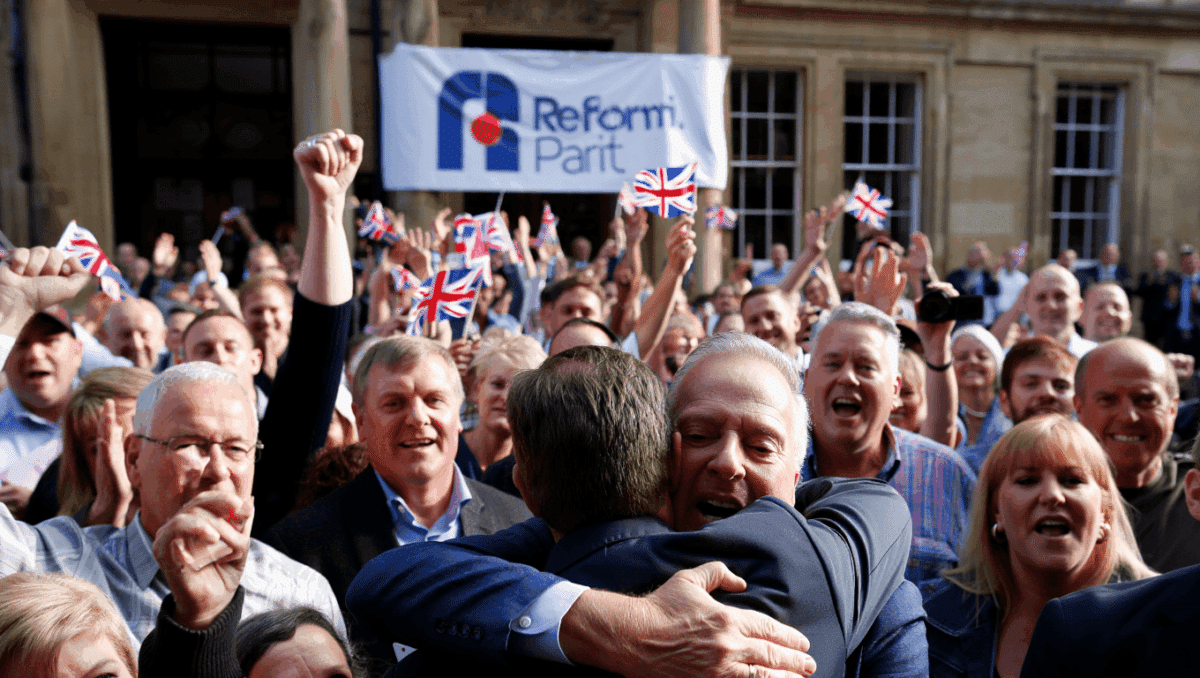
Thursday’s local council results marked more than a routine shift in seats — they signaled a continuing reshaping of British politics. Voters who once chose between Labour and the Conservatives are now making different calculations, and a new, broadly working-class populist movement is staking out a permanent role on the national stage.
What began as a revolt around Brexit has matured into a coherent electoral force. Its momentum is reshaping party maps, local power, and the cultural divides that define public life in the UK.
How local elections revealed a durable populist bloc in Britain
The Growing Demand for Data-Driven Decision Making in Silicon Valley
He quit, ran out of money, and begged to come back — here’s how his boss reacted
The most striking takeaway from the recent vote count is the breakdown of the traditional Labour–Conservative majority. Across towns and suburbs, a third political current has consolidated, drawing voters who no longer feel represented by the old duopoly.
Reform UK has become the primary vehicle for that shift, translating decades of working-class frustration into a recognizable political brand. Where Leave sentiment was strong in 2016, Reform’s support has been especially pronounced — a pattern that shows the party’s roots remain tied to the Brexit realignment.
From the Brexit referendum to a national movement
The populist cohort didn’t appear overnight. The 2016 referendum loosened long-standing partisan loyalties and legitimized concerns about national identity, sovereignty, and cultural change. Over time, those diffuse grievances found organization and leadership.
- Brexit served as the catalyst, giving voice to voters who felt ignored by metropolitan elites.
- Local election gains allowed this voice to translate into seats, not just sentiment.
- Growth outside England — in Scotland and Wales — suggests the movement is no longer strictly Anglocentric.
That geographic spread is important: Reform is now positioned as a genuinely national party rather than a regional curiosity.
New social divides: populism versus managerial centrism
The political cleavage of the 21st century is no longer simply left versus right in economic terms. Instead, a cultural and social split has emerged between a populist base and a technocratic, managerial class concentrated in cities and universities.
This has created two relatively resilient social spheres:
- The affluent and formally educated urbanites, who often embrace cosmopolitan values.
- The working-class, patriotic communities, frequently found in smaller towns and older industrial areas, who favor traditional customs and national solidarity.
Those in the first group often view the populist surge with alarm or disdain. That reaction has hardened the sense among populist voters that they are trafficked between condescension from elites and neglect from mainstream politicians.
How media and political elites respond to the populist surge
Coverage by legacy outlets and commentary from party leaders frequently focuses less on policy disputes and more on the character of populist voters themselves. Critics often frame public patriotism and attachment to national traditions as signs of intolerance, which deepens the antagonism between the two camps.
The public rhetoric against the populist movement frequently targets supporters as much as the leadership, reinforcing a narrative that the political establishment sees these voters as the object of its contempt.
What contemporary populism stands for
Populism today is not a tightly defined ideology so much as a set of attitudes and priorities. Its common themes include skepticism toward elite expertise, a demand for more direct influence over public life, and a defense of cultural traditions perceived as under threat.
Common features of current national-populist movements
- Trust in the ordinary citizen’s judgment over technocratic solutions.
- An egalitarian impulse that pushes against concentrated privilege.
- A focus on national identity and local customs rather than globalist frameworks.
Scholars argue that this pattern is largely reactive: populism channels everyday grievances into political mobilization without necessarily offering a comprehensive ideological blueprint. That explains both its adaptability and why opponents sometimes mistake it for simple anti-intellectualism.
Why some parties labeled “populist” don’t fit the bill
Not every party that campaigns against elites or media narratives is populist in the same way. For example, environmentalist movements that align closely with metropolitan, cosmopolitan values may share the anti-establishment label in rhetoric but diverge sharply in cultural orientation.
Parties that champion identity politics or embrace transnational alliances often gain favorable coverage in mainstream outlets because their worldviews overlap with those of cultural gatekeepers. That alignment can shield them from the same criticism leveled at movements rooted in territorial patriotism and working-class solidarity.
Electoral consequences and political realignment to watch
The rise of Reform and similar forces opens the door to broader, long-term shifts in British politics. If the populist bloc consolidates, it could redraw coalition dynamics and force traditional parties to rethink strategy — both in policy and messaging.
- Local gains convert into national leverage when sustained over several election cycles.
- Broader appeal in Scotland and Wales complicates assumptions about Reform’s geographic limits.
- Entrenched hostility from elites may further harden identities, making compromise harder.
Frank Furedi’s new book, In Defence of Populism, examines the movement’s appeal and argues that its core appeal lies in seeking a voice and social solidarity for those who feel left out by the current order.
You might also like:
- Caerphilly result: anti-Farageists claim pyrrhic victory over Farage
- Reform could shatter the uniparty: how it would reshape U.S. politics
- England protests spread nationwide as public revolt grows over government policy
- Labour safe seats: no constituency is guaranteed
- Wes Streeting would make a comically bad UK prime minister, critics say

Robert Johnson is a dedicated columnist focusing on political and social debates. With twelve years in editorial writing, he provides nuanced, well‑argued perspectives. His commentaries invite you to form your own views and engage in critical issues.


Man, Reforms win revives that Brexit buzz! Not surprised by the populist wave. Elites gotta take notes; people want change. Lets see how the media spin this one!
Ive seen this movie before, mate. Brexit, Reform, whats next? Feels like a never-ending rollercoaster. Populism vs. centrism, who will triumph? Buckle up, folks, the ride aint over yet.
Mate, these local elections are like a never-ending soap opera, innit? Reforms win just adds fuel to the Brexit fire. Populism aint going down without a fight, thats for sure. Buckle up, folks!
Man, Brexit vibes still strong in UK politics, huh? Reforms win shows the populist wave aint slowing down. Media and elites better buckle up, cause the people are speaking loud and clear. Lets see where this rollercoaster goes next!
Man, Reforms win keeps that Brexit fire burnin hot in the UK! Populism aint dead yet. Media elites must be sweatin. How will they spin this one? *grabs popcorn*
Man, Reform winning in the UK? Feels like Brexit 2.0! Populisms like that ex you cant shake off. Are we in for more drama, or will things actually change this time? Guess well see.
Mate, who wouldve thought the Brexit buzz aint dead yet, aye? Reforms win got folks yappin again. Populisms like that stubborn cold, innit? Keeps comin back, no matter what the fancy pundits say.
Man, Brexits like that tune you cant get outta your head, right? Just when you think its faded, bam, its back on repeat. Reforms sparkin the chatter again, same ol song, different verse. Wonder if this saga will ever hit pause, eh?
Man, this Reform victory got me feeling some type of way. Brexit vibes still kickin in the UK, huh? Wonder how the elites gonna spin this one. Populism aint budgin!
Mate, that Reform win feels like a Brexit sequel, innit? Populisms still kicking. Wonder how the big shots will spin this one. Popcorn ready for the drama!
I remember when Brexit shook things up. Reforms win shows the fires still burning. Will the elites keep ignoring the peoples voice, or finally listen up? Populism isnt going anywhere, mate.
I mean, cmon, who wouldve thought the Brexit chaos would keep on kickin like this? Reform victory, huh? Well, well, well, looks like the dramas far from over in the UK. Popcorn, anyone?
Man, the Reform victory got folks buzzing like a beehive! Feels like Brexit all over again. Populisms still kickin, huh? Wonder how the elites gonna spin this one. *grabs popcorn*