
Show summary Hide summary
The Los Angeles Dodgers are facing a new kind of postseason headache. After dropping Game 2 of the NLCS to the Milwaukee Brewers on Monday night, the two-time defending champs looked uncomfortably small — not in payroll or profile, but in offense. A 7-4 loss at American Family Field left questions about strategy, health and personnel that will overshadow the trip back to Dodger Stadium for Game 3.
Milwaukee kept control of the series by mixing power with situational play. The Dodgers briefly flirted with manufacturing a run via classic small-ball tactics, but the attempt felt more like an experiment than a plan. With their best bat scuffling and their elite arms not yet solving the problem, Los Angeles faces an urgent search for answers before Wednesday’s game.
Dodgers’ offensive drought and why small ball surfaced
The Growing Demand for Data-Driven Decision Making in Silicon Valley
He quit, ran out of money, and begged to come back — here’s how his boss reacted
Los Angeles arrived in the postseason as one of baseball’s bigger long-ball clubs, yet home runs have disappeared when the margin for error tightened. The Dodgers led the regular season in several offensive categories, but their power has been inconsistent in October. Through the first round they piled up homers against Atlanta, but they’ve been largely silent against Milwaukee.
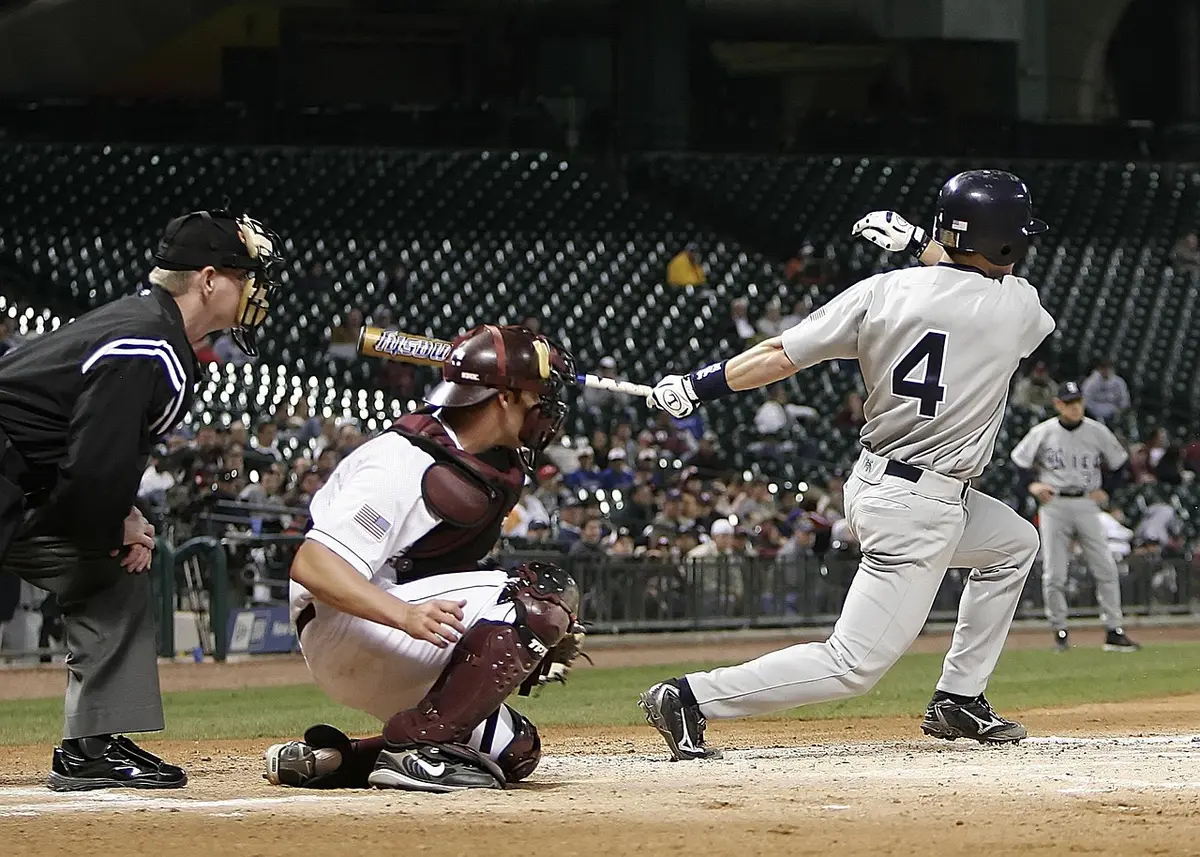
Without the long ball, the Dodgers leaned into situational hitting — a rarity for this roster. That shift is notable because it runs against the club’s identity: build innings around extra-base hits and high-impact sluggers. When those options aren’t producing, teams sometimes go back to fundamentals. Los Angeles tried that briefly in Game 2, but the result was only one run and little momentum.
How Milwaukee answered: a mix of homers and small-ball savvy
The Brewers didn’t rely on a single approach. They got homers at key moments and also capitalized on small mistakes to manufacture runs. Milwaukee has surprised some analysts this postseason by adding heft to its lineup — they’ve already launched several postseason homers, including multiple shots in the NLCS.
Yoshinobu Yamamoto took the mound for the Dodgers and gave up timely hits. Milwaukee’s lineup found holes against him at different times, while the Brewers’ pitchers limited Los Angeles’ big swings. The combination flipped home-field advantage momentum and made Game 3 a pivotal meeting.
Game 2 play that mattered
- Leadoff walk by Mookie Betts set the table early.
- Productive out — Freddie Freeman delivered a weak grounder that advanced the runner.
- Wild pitch allowed Logan Henderson to move into scoring position.
- Sacrifice fly from Teoscar Hernández produced the run.
That sequence looked like a page ripped from the Brewers’ playoff script more than a deliberate strategy shift from the Dodgers, and it still produced only a single tally.
Shohei Ohtani’s role under scrutiny: lineup, health and timing
The most combustible storyline coming out of Game 2 is Shohei Ohtani’s precarious status. The two-way superstar remains a unique roster piece — capable of changing a game on the mound or at the plate — but his recent performance has raised legitimate doubts. He hasn’t pitched since July, and his bat has cooled: he’s 14-for-90 with only one home run since Aug. 19. In short, Ohtani is not producing at the plate and isn’t available to pitch.
That combination leaves the Dodgers with a tough choice. Moving him down in the order hasn’t helped; some in the organization are even discussing benching him for Game 3. It’s a radical idea for a franchise that paid a premium for his dual skills, but the urgency of the postseason demands tough decisions.
Manager Dave Roberts acknowledged Ohtani’s discomfort and said he planned to talk with him before deciding the next move. Roberts’ approach is cautious: he intends to weigh what’s best for the player and the team rather than make a headline-grabbing swap without consultation. Still, the optics are striking when a club considers sitting its most electric performer in a pivotal playoff game.
Potential lineup alternatives and the DH puzzle
- Insert rookie slugger Josue De Paula at DH — a power-first option who might provide the long ball the Dodgers lack.
- Restructure the heart of the order to protect Freeman and Betts without relying on Ohtani’s production.
- Increase situational tactics selectively — bunts, hit-and-runs and stolen-base attempts — though Roberts has noted the squad lacks optimal personnel for frequent hit-and-runs.
Each choice carries trade-offs. Replacing Ohtani at DH increases the team’s power potential but sacrifices his on-base skills and clubhouse presence. Keeping him in preserves lineup flexibility if pitching needs arise, but it risks an unproductive slot in the order.
Managerial constraints: personnel and philosophy
Roberts and the Dodgers’ front office are navigating more than just matchup charts. The roster construction that built Los Angeles into a regular-season powerhouse doesn’t always translate to small-ball execution. The Dodgers have few natural slap hitters and limited speed options who can consistently execute hit-and-runs or drag bunts under postseason pressure.
That lack of a true small-ball toolbox limits in-game creativity. When the team tried a manufactured inning in Game 2, it worked enough for a run but not for consistent threats. Milwaukee, meanwhile, showed an ability to mix approaches — getting homers when needed while not shying away from manufacturing runs — and that versatility paid dividends.
What to watch before Game 3 at Dodger Stadium
With the series heading back to Los Angeles, the immediate watch list includes:
- Ohtani’s placement in the lineup — starting, benched or moved — and any update on his physical status.
- Pitching matchups and whether the Dodgers give another high-leverage start to their top arms after a shaky performance in Game 2.
- Whether Los Angeles leans into more situational plays or returns to the long-ball approach that defined its season.
Game 3 is more than a swing of momentum; it’s a test of adaptability. The Dodgers must decide whether to embrace a short-term strategic shift or rely on the power that carried them through the regular season. Either route will be closely watched — and could determine whether their title defense survives into October’s later rounds.
You might also like:
- Los Angeles Dodgers look unstoppable after back-to-back dominant pitching performances
- Dodgers’ season on the line: Dave Roberts has one desperate move left
- Brewers vs. Dodgers: can Tarik Skubal help Milwaukee win?
- Dodgers’ $375 million ace Yoshinobu Yamamoto shines in World Series game 2 win
- Dodgers may have found their next October playoff weapon

John Davis is a sports journalist focused on the NBA, NFL, and major global championships. With seven years of live coverage, he breaks down performances and key strategies. His expertise gives you a clear view of every game and its impact.

