
Show summary Hide summary
- How the UK ruling reshaped access to single-sex spaces
- Council of Europe intervention and Michael O’Flaherty’s warning
- From Yogyakarta to today: ideas that reshaped the debate
- The Palestine Action dispute and the limits of external comment
- Political reaction inside the UK: caution and concern
- How campaigners view the Council of Europe’s role
- What’s at stake for voters and institutions
- The constitutional and cultural ripple effects
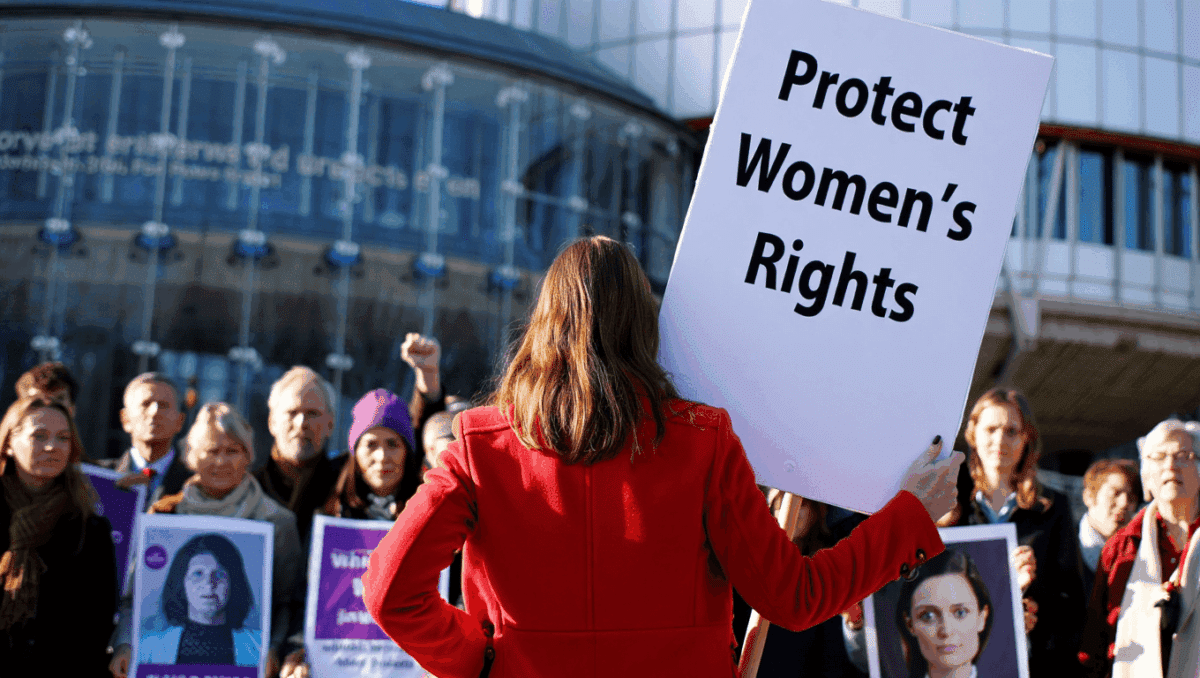
The recent clash between UK law and international human-rights bodies has reignited debates over who gets to define sex, safety and speech in public life. A UK Supreme Court ruling that emphasized biology as the basis for legal sex has triggered a wave of protest from transgender campaigners and drawn a critical response from a Council of Europe official — setting off a row that reaches into courts, Parliament and public opinion.
What started as a legal clarification about access to single-sex spaces has rapidly become a broader fight over national sovereignty, the role of international institutions, and the limits of protest. As officials trade letters and activists stage demonstrations, ordinary people are left sorting through competing claims about rights, security and democratic authority.
The Growing Demand for Data-Driven Decision Making in Silicon Valley
He quit, ran out of money, and begged to come back — here’s how his boss reacted
How the UK ruling reshaped access to single-sex spaces
Earlier this year the UK’s highest court issued a judgment that many interpreted as reaffirming biological sex as the decisive legal category for access to women-only facilities. That decision, followed by interim guidance from domestic equality authorities, was intended to restore clear rules for public toilets, changing rooms and other sex-segregated spaces.
Supporters argued the move brought back a practical line that protects privacy and safety. Opponents saw it as a rollback of protections for transgender people who identify and live as a gender different from their birth sex. The result has been sharp headlines, protests outside courts and intensified pressure on public institutions to choose sides.
Council of Europe intervention and Michael O’Flaherty’s warning
Into that charged atmosphere stepped Michael O’Flaherty, the Council of Europe’s human-rights commissioner, who sent formal notices to UK ministers raising concerns that recent developments might conflict with the European Convention on Human Rights (ECHR). His intervention signaled that the debate had moved from national law into the orbit of Europe-wide human-rights norms.
O’Flaherty’s letters highlighted potential human-rights implications for transgender people in the UK and suggested that domestic policy choices should be scrutinized against international obligations. That move immediately drew political backlash in Westminster and fueled claims that external actors were intruding on British democratic decisions.
From Yogyakarta to today: ideas that reshaped the debate
O’Flaherty has long been associated with efforts to interpret human rights through the lens of sexual orientation and gender identity. In the mid-2000s he played a part in shaping what became known as the Yogyakarta Principles — a set of guidelines urging that laws treat gender identity as a protected category, sometimes in place of biological sex.
Critics say this shift has consequences for women’s privacy and safety by blurring the legal distinction between sex and gender. Supporters counter that recognition of gender identity is essential for protecting a marginalized group. The disagreement is not merely academic: it affects how public services are run, how laws are enforced and how people are treated in everyday settings.
The Palestine Action dispute and the limits of external comment
O’Flaherty’s letters did not only touch on trans rights. He also questioned aspects of the government’s approach to protests when the Home Office moved to ban Palestine Action, a campaigning group accused by some of intimidation and by others of legitimate civil disobedience. The commissioner warned that counter-terrorism and extremism laws should not unduly restrict peaceful assembly and free expression without strict necessity.
The intervention prompted a sharp reaction from several British politicians who viewed it as unwarranted interference in a domestic policy matter. For many critics, the core issue is simple: policy decisions about public order and the criminal law should be taken by elected representatives, not by unelected international officials.
Key elements in the controversy
- Free speech vs. public safety: Authorities must balance the right to protest with protection against harassment and hate speech.
- Domestic sovereignty: Some lawmakers see outside criticism as undermining national democratic choices.
- Human-rights interpretation: How far should international standards shape domestic legislation?
Political reaction inside the UK: caution and concern
The government’s response has been twofold: publicly defending its legal framework while privately worrying about the optics of a standoff with a Europe-wide institution. Officials have criticized what they call meddling but have also signaled a desire to maintain the UK’s commitments under the ECHR — a stance that critics regard as weak or inconsistent.
Some ministers have framed the problem as one of perception. They argue that repeated interventions by international bodies could erode public confidence in the convention system if those interventions are seen as intruding on sensitive national debates like immigration, policing and sex-segregated services.
How campaigners view the Council of Europe’s role
Trans-rights groups welcomed the commissioner’s letters, seeing them as a potential route to challenge UK policy at the European Court of Human Rights. For activists, international pressure is a tool to secure protections that they argue are not guaranteed at the domestic level.
At the same time, defenders of the Supreme Court decision view such outside input as an attempt to undo democratic choices and to override the careful balancing judges applied when reaching their ruling.
What’s at stake for voters and institutions
Beyond the legal arguments lie broader questions about where power should sit in matters of rights and public policy. Voters are being asked to weigh national self-determination against the protections offered by international human-rights frameworks. That tension plays out across multiple arenas:
- Who defines the legal meaning of sex and gender?
- Which body sets limits on protest and free expression?
- How should the state reconcile privacy, safety and inclusion?
These debates are shaping policy decisions that will affect everyday life — from who uses communal spaces to how governments police demonstrations.
The constitutional and cultural ripple effects
For some political actors, the dispute reinforces a longstanding push to rethink the UK’s relationship with European human-rights institutions. Calls to withdraw from or reform such arrangements are gaining new traction among voters who feel foreign bodies have too much influence over domestic choices.
Meanwhile, cultural commentators and legal experts continue to argue over the merits and risks of international involvement in rights disputes. The debate is far from settled, and the coming months may produce court challenges, policy tweaks and continued public protest as both sides press their claims.
You might also like:
- Trans rights debate with TERFs continues as clashes intensify
- Sandie Peggie’s heroic stand for women prompts response from Graham Linehan
- Bridget Phillipson faces backlash for putting trans activism above the law
- Iranian lives at stake amid protests and deadly government crackdown
- Transgender rights debate intensifies after call to break the spell

Robert Johnson is a dedicated columnist focusing on political and social debates. With twelve years in editorial writing, he provides nuanced, well‑argued perspectives. His commentaries invite you to form your own views and engage in critical issues.


I used to think these rights stuff was clear-cut, but now its like a maze! The ECHR exit debate is heating up, and everyones got their say. Wonder where this rollercoaster is gonna take us next…
I remember when it was all about fighting for womens rights, now its like a maze. Seems like the ECHR exit is stirring up the pot. Advocates better gear up for a bumpy ride ahead.
I totally get what youre saying, mate. Its like we were fighting the good fight, and now were stuck in this twisty-turny mess. ECHR exit? Its like someone added hot sauce to an already spicy dish. Buckle up, advocates – were in for a wild ride. Who knew womens rights would come with so many plot twists, eh?
Listen, we gotta keep fighting for womens rights. Exiting the ECHR might sound extreme, but sometimes you gotta shake things up to protect whats important. Change aint easy, but neither is inequality.
Yo, totally get where youre coming from on fighting for womens rights, gotta keep pushing for that. Exiting ECHR might sound wild, but hey, sometimes you gotta shake things up to make a point, right? Its a bumpy road, but worth it to tackle inequality head-on. Lets keep the fire burning!
Mate, protecting womens rights is crucial. Exiting ECHR sounds drastic, but if its to safeguard womens spaces, its worth a good ponder. Women deserve to feel safe, no doubts about that.
As a fierce advocate for womens rights, its crystal clear the ECHR exit aint the solution. We gotta find common ground, not build more barriers. Lets keep fighting for inclusivity and safety, no matter what.
I remember how single-sex spaces were once a safe haven for women. Now, its all tangled up in debates. Its a wild ride! But maybe exiting ECHR is the answer to protect womens rights? What do you think?
Oh boy, here we go again with the whole protecting womens rights debate. Cant we just have a civil discussion without it turning into a battlefield of opinions and agendas? Seems like everyones got a stake in this game, but whos really looking out for the women here?
Well, well, well, aint this a hot potato! Womens rights, huh? Always a tricky topic. Wonder if this ECHR exit will actually shake things up or just add more fuel to the fire. Time will tell, folks.
Well, well, well, look whos stirring the pot! Womens rights, always a touchy subject, innit? Exiting ECHR could be a game-changer or just more drama for the show. Guess well have to grab the popcorn and see how this one unfolds, right?
I remember when folks said the ECHR was a safety net for everyone, now its a hot debate! Womens rights are crucial, but man, the dramas real. Wonder whats next in this rollercoaster of opinions.
Man, its like were stuck in a loop. Gotta protect womens rights, but how? Exiting the ECHR seems so drastic. Feels like a lose-lose situation. Whats the real solution here?
I hear ya, mate. Its like a never-ending merry-go-round of debates, innit? Protecting womens rights is crucial, but bailing on the ECHR sounds a bit too drastic, like throwing the baby out with the bathwater, ya know? We need to find that sweet spot where everyone wins. Maybe its time for some out-of-the-box thinking, eh? Like brainstorming with a side of common sense. What do you reckon, any bright ideas up your sleeve?
Mate, let me tell ya, protecting womens rights aint a joke. If the ECHR exits what it takes to safeguard em, then so be it. We cant mess around when it comes to equality and safety.
Man, womens rights are always on the line. UK gotta stay in the ECHR for protection. Imagine going backwards on progress? A total mess. Lets keep fighting for equality!
Man, protecting womens rights aint no joke! The ECHR exit might stir things up, but if its for the safety of all women, count me in. Gotta keep our ladies safe, no matter what.
Mate, womens rights are no joke. The ECHR exit could mess things up big time. We gotta listen to advocates, protect those rights. Lets not backtrack on progress, yeah?
Man, youre spot on! Womens rights are seriously no joke. Exiting the ECHR could be a total mess-up. We gotta listen to those advocates, protect those rights, and keep moving forward, right? Lets not let progress slip away.
Man, its like were stuck in a loop. Shouldnt it be a no-brainer to protect womens rights? Time to listen up and make moves. Whos with me on this?
Yknow, its like were stuck in a loop here. Womens rights shouldnt be up for debate every other Tuesday. Time to put the foot down, exit ECHR if needed. Lets protect whats important, finally.
Ah, the eternal battle for womens rights. Gotta protect em at all costs, right? But is ditching the ECHR really the solution? Feels like a drastic move. Hope theyve got a solid backup plan in the works.