

Show summary Hide summary
- How a high-profile repost became a flashpoint
- Who the parties involved are and why their histories matter
- Why comparisons between Zionism and Nazism are charged and often labeled anti-Semitic
- Patterns that point to wider online radicalization of adults
- Inconsistencies and the politics of outrage
- What the debate over this episode reveals about public discourse
Once-respected public figures are increasingly becoming case studies in how social media can hollow out judgment. The latest example is Gary Lineker, a familiar voice in football and broadcasting who has found himself at the center of debate after amplifying material that equates Zionism with Nazism. His actions have triggered questions not just about one man’s opinions, but about how an online ecosystem can turn mainstream commentators into carriers of extreme, ugly rhetoric.
What used to be fringe talking points are now lodged in everyday timelines, picked up and reposted by prominent personalities with millions of followers. That spread matters because it normalizes comparisons and narratives that many consider morally and historically offensive — and because the mechanics of sharing make it feel like news rather than provocation.
The Growing Demand for Data-Driven Decision Making in Silicon Valley
He quit, ran out of money, and begged to come back — here’s how his boss reacted
How a high-profile repost became a flashpoint
Last week Lineker shared an Instagram clip that drew attention for its inflammatory message. The footage featured Tony Greenstein, a long-time critic of Zionism who had recently faced charges related to alleged support for Hamas — charges from which he was acquitted at Kingston Crown Court. In his post, Greenstein compared Zionism to Nazism, a claim that many observers call not analysis but deliberate provocation.
What made the repost more controversial was its source: the clip came via CAGE International, an activist group known for its work on civil liberties and Muslim communities in the UK. CAGE has previously generated headlines for defending or commenting on highly sensitive figures, which some critics say undermines the credibility of anything it amplifies. The combination of Greenstein’s rhetoric and CAGE’s involvement meant that Lineker’s share was not seen as a casual retweet but as an endorsement of a charged narrative.
Who the parties involved are and why their histories matter
Understanding the players helps explain the uproar. Tony Greenstein is a contentious figure with a long record of outspoken criticism of Israeli policy and Zionism. CAGE campaigns on behalf of people affected by counterterrorism measures, but opponents highlight controversial statements the group has made in the past. One of the flashpoints commonly cited by critics is the group’s response to Mohammed Emwazi — widely known as “Jihadi John” — whose televised atrocities for ISIS included the murder of British aid worker Alan Henning.
Reporting shows that such reactions fuel suspicion that posts from these channels are not neutral human-rights commentary but carry an ideological slant that can elevate extremist framings. When a mainstream presenter amplifies those framings, the result is a powerful boost in reach and perceived legitimacy.
Why comparisons between Zionism and Nazism are charged and often labeled anti-Semitic
Comparing modern Israeli policy or Zionism as a whole to Nazi Germany is widely regarded as inflammatory and, in many frameworks, an instance of anti-Semitism. The International Holocaust Remembrance Alliance (IHRA) working definition includes as an example of anti-Semitism the act of drawing comparisons between contemporary Israeli policy and that of the Nazis.
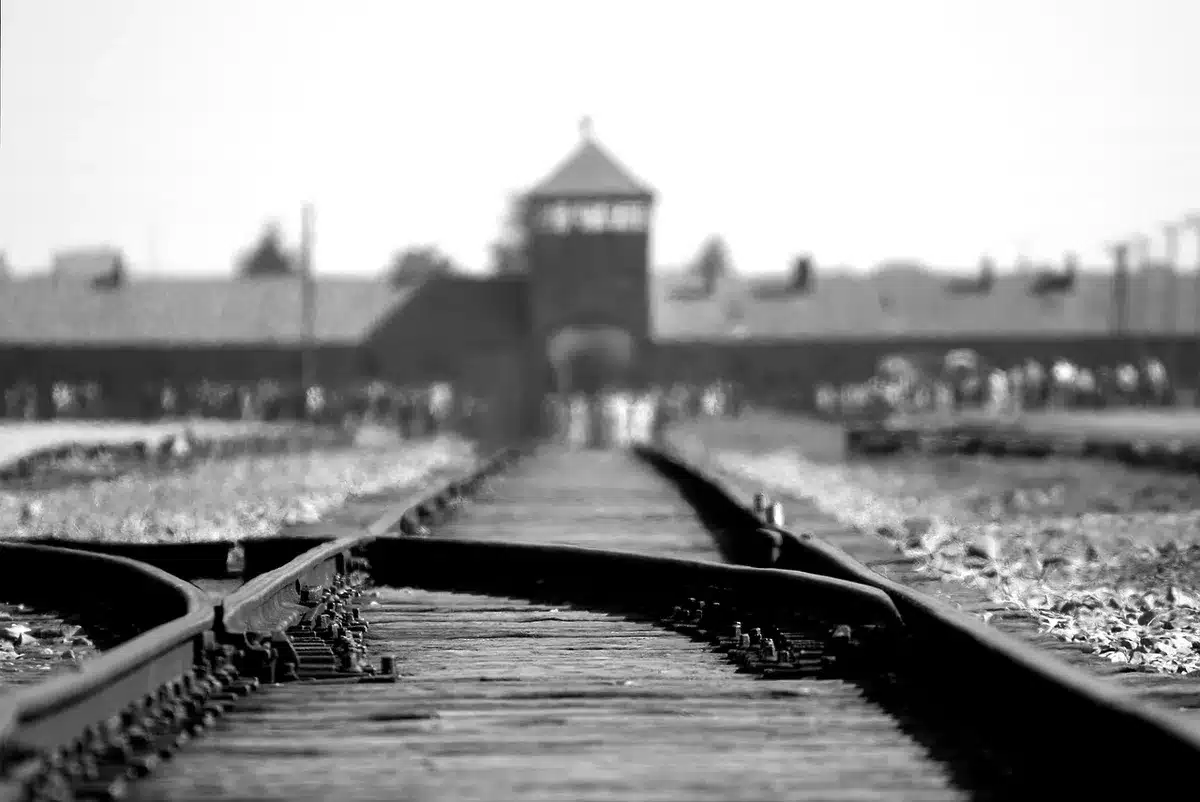
Critics argue such comparisons are less about balanced critique and more about weaponizing Jewish historical trauma to wound and stigmatize. Cultural commentators and writers have described this tactic as a form of moral theater: it intentionally leverages the Holocaust’s singular horror to shame and delegitimize Jewish people and the Israeli state. For many, that crosses the line from political disagreement into hurtful inversion of historical suffering.
Patterns that point to wider online radicalization of adults
Lineker’s behavior fits a broader pattern in which middle-aged influencers, journalists and commentators adopt simplified, emotionally charged narratives after repeated exposure online. The phenomenon is not limited to young men drawn into the so-called manosphere; social-media algorithms are just as capable of corroding the judgment of established public figures.
- Echo chambers: Algorithms prioritize engagement, so sensational, outrage-provoking clips spread faster and farther than careful analysis.
- Moral compression: Complex geopolitical events get flattened into binary moral stories that are easy to share but poor at explaining realities.
- Authority lending: When celebrities repost material, it gains credibility among audiences who may not follow the original source closely.
These dynamics create what might be called a slow, social-media-driven radicalization: not the violent kind, but a large-scale hardening of opinion that makes nuance and historical sensitivity rarer in public debate.
Inconsistencies and the politics of outrage
Observers point out the irony that many who loudly accuse others of moral crimes over warfare can themselves be selective in their outrage. Lineker’s public history includes a previous controversy that led to a split with the BBC after he shared imagery and commentary widely criticized as dehumanizing. Such episodes fuel accusations of double standards: that some forms of dehumanizing language are condemned, while other comparisons are repackaged as righteous critique.
It’s also worth noting how public figures’ networks shape what they see and amplify. Friendly circles, political loyalties and social-media feeds all determine the signals a person receives. In that sense, Lineker’s case is less a singular moral failing than an example of how social media’s incentives interact with celebrity influence.
What the debate over this episode reveals about public discourse
The argument about Lineker is not just about one man’s repost. It exposes wider tensions in how societies discuss conflict: the lines between criticism and prejudice, the role of public figures in shaping discourse, and the responsibilities of platforms that distribute so much of the debate.
Calls for more careful sourcing, historical literacy and a renewed commitment to standards of public argument are growing louder. Some suggest media organizations should demand greater caution from contributors when sharing material from contentious sources. Others argue for improved digital literacy among users who encounter stray clips and snippets that claim to explain complex wars in a few seconds.
Brendan O’Neill is a political commentator and host of a regular podcast. His perspectives focus on free speech, culture and current affairs. Find his work and episodes of his show on major podcast platforms and social channels.
You might also like:
- Holocaust: critics accuse Mehdi Hasan of politicizing the tragedy
- Harry Kane could end England’s World Cup drought with leadership
- Ezra Klein’s comments on anti-Zionism spark heated criticism
- The Rest is History podcast offers unity for a fractured nation
- Omer Bartov accused of whitewashing Israel’s enemies

Robert Johnson is a dedicated columnist focusing on political and social debates. With twelve years in editorial writing, he provides nuanced, well‑argued perspectives. His commentaries invite you to form your own views and engage in critical issues.


Man, its like, once you dip your toes in geopolitics, the water gets real murky, real fast. With Lineker and Gaza, its a minefield. Can we ever talk about stuff without it blowing up?
Man, its like a minefield out there! Lineker and activists, playing with fire. Historys heavy hand in every word, every post, every comment. Gotta watch those steps, folks.
Mate, its like everyones a pundit these days. Lineker and activists diving into geopolitics? Madness. Stick to what you know, right? But then again, maybe were all just trying to make sense of this crazy world.
I heard about this Gary Lineker and Gaza thing, mate. Some say theyre undermining reason. Its like a minefield, innit? Cant even post a pic without stirring up a hornets nest. People need to chill.
Mate, Lineker and Gaza activists stirring up a hornets nest, innit? Bloody minefield talking bout Zionism and Nazism. Always ends in a Twitter brawl. Its like playing with fire, someones bound to get burned.
As a skeptical observer, it’s wild how online debates turn into full-blown wars. Lineker and activists – it’s like watching a tennis match where everyone’s using grenades instead of balls. Can’t we just have a civil chat for once, folks?
Man, the online worlds a minefield sometimes. Lineker and Gaza activists stirring up more drama. Cant folks just have a civil chat without going full blast? Its like everyones out to set the world on fire these days.
Mate, Lineker and Gaza activists stirring the pot? Sounds like a recipe for online chaos. Cant help but wonder if folks are just talking past each other. Is it all just a shouting match on social media these days?
Mate, Lineker and Gaza in the mix? Sounds like a virtual carnival of chaos, innit? It’s like everyone’s just on their own shouting wavelength, barely tuning into each other. Can’t help but wonder if it’s all just a big ol’ social media brawl these days. A bunch of noise, but is anyone really listening, ya know?
Mate, Lineker and Gaza activists stirring the pot again? Always a hot mess when politics meets football. But hey, everyones entitled to their opinion, even if its a messy goal in extra time.
Oh mate, Lineker and Gaza back at it again, stirring the pot like its a giant cauldron of drama. Politics and football – a match made in chaos heaven, innit? But hey, everyones got their say, even if it feels like a messy goal in extra time. Gotta love the unpredictability of it all, like watching a game with extra spicy sauce on top.
Man, its like the online worlds a minefield these days. One wrong step and bam! Youre in a heated debate. Lineker and Gaza activists stirring the pot? Bet that comment sections a real rollercoaster.
Man, social media is a minefield these days. Lineker and Gaza activists stirring the pot, huh? Gotta be careful with those comparisons, they can blow up big time. People need to find common ground, not spark more division.
Mate, Lineker and Gaza lot stirring a hornets nest. But whos playing devils advocate here? Weighing in on Zionism isnt a walk in the park, folks. Whats your take on this minefield?
Man, its like a minefield out there with Gaza and Lineker. Cant folks discuss without throwing bombs? We need chill vibes, not more heat. Lets aim for peace, not pieces.
Man, its wild how quickly things escalate online. One misplaced retweet and boom, youre knee-deep in a Twitter war. Cant folks just chill and have a civil convo anymore?
Tell me about it! Once you dip your toe in that Twitter drama pool, its like quicksand, man. Its wild how a simple retweet can spiral into a full-blown battle of the tweets. Sometimes it feels like everyones just itching for a fight instead of vibing and chatting like normal humans. Why cant we all just hit pause, grab a virtual drink, and have a civil chit-chat instead of throwing virtual punches left and right, you know?
Man, the Internets like a minefield these days. One wrong step and boom! Cant believe how folks stir up trouble over everything. *sigh* Wish people could just talk without all the drama.
Man, its like every time you dip your toes into the online pool, theres a whirlpool of controversy waiting to suck you in. Lineker, Gaza, Zionism, Nazism… Cant folks just agree to disagree without it turning into a digital battlefield?
Dude, tell me about it! Its like stepping into a minefield blindfolded. One minute youre politely discussing Messis GOAT status, and the next, boom, youre knee-deep in a debate about pineapple pizza. Cant we all just vibe and enjoy the banter without triggering a digital war zone?
Man, its like walking on eggshells with these sensitive topics. Opinions are flying left and right, and suddenly everyones a keyboard warrior. Can we just have a civil conversation without it turning into a warzone?
Man, its like everyones a critic these days. Cant even post a tweet without a storm brewing. Lineker and Gaza, tread carefully. Its a minefield out there, folks.
Man, social medias a minefield these days. Gary Lineker and Gaza activists under fire? Its like everyones got a hot take, but wheres the middle ground? We need more dialogue, less finger-pointing.
Ugh, tell me about it! Its like everyones armed with a pitchfork these days, ready to pounce on anyone who dares to have an opinion. Dialogues like a rare unicorn, aint it? We need less virtual boxing matches and more good ol chats. When did social media turn into the Wild West anyway?