
Show summary Hide summary
- How a Song Became a Major Sapphic Film
- Why On-Screen Sapphic Romance Still Matters
- Hayley Kiyoko’s Personal Journey: A Decade in the Making
- Pride, Politics, and the Need for Joy
- The Cast, Themes, and What Audiences Will See on Screen
- Community, Partnership, and Support Behind the Scenes
- Who This Film Is For — And Why Young Viewers Will Notice
- Practical Details: When and Where to Watch
When the lights dimmed at my screening of Girls Like Girls, I found myself unexpectedly undone. There’s something powerful about seeing a tender, unapologetic sapphic love story played out on a theater screen — especially when it centers young women of color. For many viewers, that cinematic mirror can finally provide words and feelings they didn’t yet have, and that possibility is precisely what Hayley Kiyoko set out to create.
Girls Like Girls has traveled a long arc from an indie pop single to a full-bodied feature film — and the result feels like both a gift and a reckoning. It’s a coming-of-age drama that leans into longing, grief, and the messy thrill of first love, with the real-world stakes of representation woven into every scene.
How a Song Became a Major Sapphic Film
The Growing Demand for Data-Driven Decision Making in Silicon Valley
He quit, ran out of money, and begged to come back — here’s how his boss reacted
The story of Girls Like Girls is unusual and instructive for creators and fans alike. What began as Kiyoko’s 2016 single has been reimagined across formats: first as a hit music video, later as a New York Times bestselling YA novel in 2023, and now as a feature film. That evolution mirrors the way queer stories can expand and gain momentum when audiences hunger for them.
- 2016: The original song and music video introduced the world to the idea.
- 2023: A YA novel adapted the narrative into a coming-of-age book that reached a wide readership.
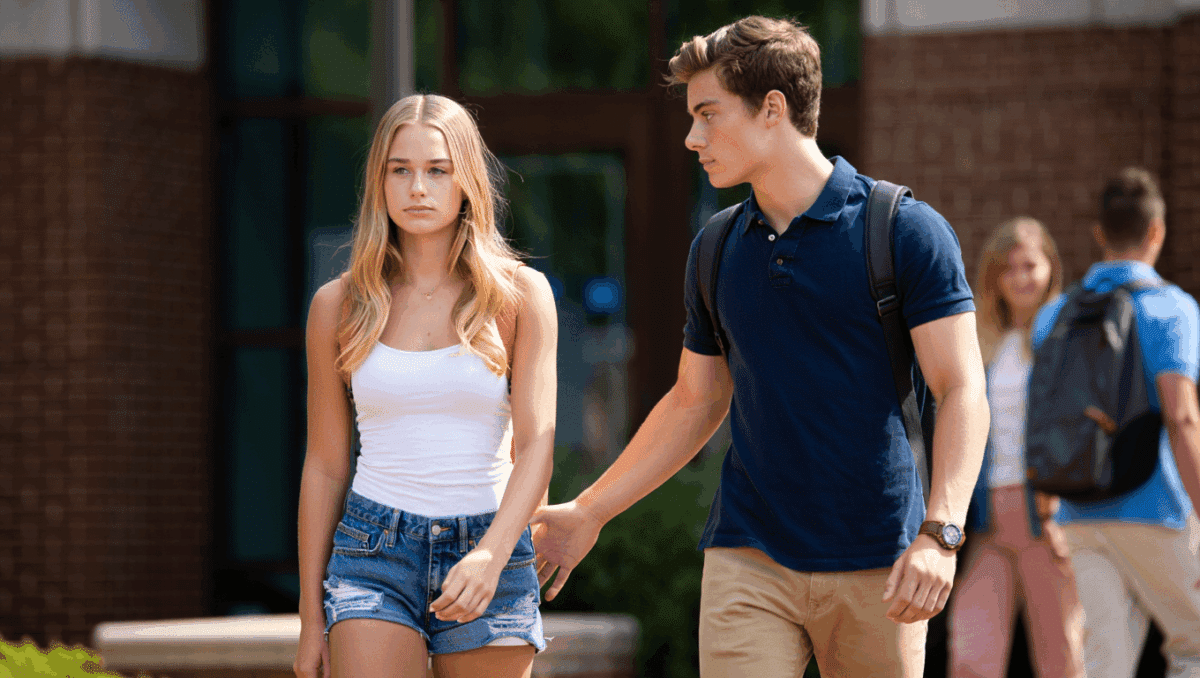
- 2026: The story finds its cinematic form, starring Maya da Costa and Myra Molloy as two teenagers whose relationship anchors the film.
The film’s tone balances intimate character study with broader cultural resonance, aiming to be at once specific to Kiyoko’s experience and universal in its emotional truth.
Why On-Screen Sapphic Romance Still Matters
There’s been a surge in queer romance stories in Hollywood, but much of the visibility has skewed toward gay male narratives. Hayley Kiyoko has made a point of filling the gap for lesbian and sapphic viewers — stories that show women loving women in full, unashamed color.
Representation isn’t just symbolic; it changes lives. For young people learning their identities, seeing a film where two girls fall in love and are allowed to be the main characters can reshape expectations about what’s possible. Kiyoko’s project intentionally centers those experiences, acknowledging that films like this can act as lifelines for viewers who don’t yet have language for their feelings.
What the movie explores
- First love and the confusion that comes with it
- Grief and how it shapes teenage identity
- Intersectionality — especially the specific visibility of women of color within queer narratives
- The everyday, vulnerable moments that make romance feel real rather than idealized
Hayley Kiyoko’s Personal Journey: A Decade in the Making
Bringing this film to theaters was not a quick process. Kiyoko spent roughly a decade shepherding the project from idea to release, working through industry gatekeeping and the practical challenges of making a film that centers queer women of color. Along the way, she moved from pop star and music-video creator to bestselling author and first-time director.
When we met in Toronto at a bookshop event, the scene captured that transition: a block-long line of young people waiting to meet her, copies of the novel stacked on display, and a palpable sense that this was more than promotion — it was cultural affirmation.
She described the film as a love letter to her younger self, a chance to give audiences the validation and visibility she wished she’d had while coming of age.
Pride, Politics, and the Need for Joy
Releasing Girls Like Girls during Pride month in 2026 feels both celebratory and urgent. The last several years have seen advances in visibility alongside renewed legislative and social threats to queer rights, and Kiyoko acknowledges that contrast. Her film is intentionally an offering of joy and hope at a time when many in the community are weary from fighting for safety and recognition.
She points out that joy isn’t frivolous — it’s a form of sustenance. Films like this help replenish emotional reserves, provide space for celebration, and remind audiences of what they’re fighting to preserve.
The Cast, Themes, and What Audiences Will See on Screen
Starring Maya da Costa and Myra Molloy, Girls Like Girls foregrounds two young women whose chemistry feels lived-in rather than manufactured. The film sketches out familiar teen territory — awkward conversations, tense family dynamics, and the dizzying rush of new love — while layering in deeper themes of loss and identity formation.
- Performance focus: The leads deliver quiet moments as convincingly as emotional peaks.
- Visual style: The movie aims for intimacy, often framing scenes to emphasize the personal stakes of each encounter.
- Emotional arc: A slow-burning path from uncertainty to self-recognition, with grief threaded through the narrative.
Community, Partnership, and Support Behind the Scenes
This film is a community project as much as an individual one. Kiyoko credits the people closest to her — including her fiancée, Becca Tilley — for steadying her through the long, sometimes painful process of making the movie. Tilley contributed in ways that went beyond a simple credit; she provided emotional backup during late nights, creative doubt, and the inevitable “will this ever exist?” moments.
For Kiyoko, the premiere was a personal milestone: to stand beside a partner who knew the years of work and worry and to share the payoff in a packed theater.
Who This Film Is For — And Why Young Viewers Will Notice
Girls Like Girls aims to reach anyone who has felt unseen, especially teens grappling with attraction and identity in private. The film positions itself as both mirror and map: a reflection of what viewers might already feel, and a guide toward the language and courage to claim those feelings publicly. Kiyoko hopes the movie will allow queer youth — and particularly queer women of color — to take up space without apology.
- Young people searching for representation
- Fans of queer romance and coming-of-age stories
- Viewers curious about contemporary sapphic narratives in mainstream cinema
Practical Details: When and Where to Watch
Girls Like Girls opens in theaters on Friday, June 19, 2026. The theatrical release is part of Kiyoko’s deliberate mission to make the film a shared, public experience — a contrast to the private viewings many people had of queer media in earlier decades.
Expect press appearances, bookshop appearances where the novel is still on sale, and a continued conversation about how representation in film affects real lives.

You might also like:
- LGBTQ+ films worth celebrating: must-see movies spanning centuries and countries
- Gillian Anderson wants more queer stories told on screen
- Bridgerton gender swap: Masali Baduza and Hannah Dodd respond
- Best coming-of-age movies of all time
- Sterling Point review: Megan Park’s sharp new film is worth watching

David Miller is an entertainment expert with a passion for film, music, and series. With eight years in cultural criticism, he takes you behind the scenes of productions and studios. His energetic style guides you to the next big releases and trending sensations.


Man, Hayley Kiyokos Girls Like Girls hit me like a rainbow wrecking ball. Remember watching it for the first time? That song and video combo was like a queer awakening wrapped in a pop anthem. So cool!
Man, Hayley Kiyokos Girls Like Girls hit me like a rainbow wrecking ball. Its more than a song, its a queer anthem, a lifeline for those scared to be themselves. Grateful for artists who pave the way.
Man, Hayley Kiyokos Girls Like Girls hit different. Its like a queer anthem, yknow? Helped me embrace my truth. Her vibe? So empowering. We need more of that raw, unapologetic representation in music and films, no cap.
Man, when Girls Like Girls hit, it was like fireworks in my heart! Hayley Kiyoko aint just singing a tune, shes out there changing lives. She got that magic touch that makes you feel seen, yknow?
Dude, totally feel ya on that one! Hayley Kiyokos music hits different, right? Its like shes speaking straight to your soul. Shes got that special somethin that just clicks, ya know? Her songs are like a warm hug for the heart. Whats your fave track from her?
Man, Hayley Kiyokos Girls Like Girls hit different, ya know? It wasnt just a song, it was like a whole anthem for queer youth. Seeing that representation? Powerful stuff. Its like she knew the impact it would have.
Man, Hayley Kiyokos Girls Like Girls hit different. Made me feel seen as a queer kid. The power of representation, you know? Its like a warm hug for your soul.
Man, Hayley Kiyokos Girls Like Girls hit different, yknow? Its like a queer anthem that just speaks to your soul. Seeing representation like that on screen is pure magic, empowering so many to be their true selves.
Man, Hayley Kiyokos Girls Like Girls hit different, yknow? Its like a beacon for queer youth finding their way out the closet maze. Her musics like a warm hug saying, Youre valid, youre seen, youre loved.
Man, Hayley Kiyokos Girls Like Girls hit different, yknow? Its like a queer anthem that screams, Love who you wanna love! Seeing that representation on screen is like a warm hug for the soul.
Man, Hayley Kiyokos Girls Like Girls hit different, yknow? That song was like a sapphic anthem for many of us. Its crazy how music and art can give folks the courage to be their authentic selves. Mad respect for her.
Man, Hayley Kiyoko really hit me in the feels with Girls Like Girls. Its like she saw into my teenage queer soul. The power of representation in music – cant be underestimated, yknow?
Man, Hayley Kiyokos Girls Like Girls hit different, yknow? Like, it wasnt just a bop, it was a whole mood for queer folks. Seeing that representation mattered, felt like we finally existed.
Man, when Girls Like Girls dropped, it was like a rainbow explosion in a black-and-white world. Hayley Kiyoko made us feel seen, yknow? Its more than a song; its a lifeline for so many.
Man, Hayley Kiyokos Girls Like Girls hit like a rainbow wrecking ball, yknow? It wasnt just a song but a lifeline for us queer kids finding our truth. That video? Pure magic. Shes a queer icon for real.
Man, Hayley Kiyokos Girls Like Girls hit different, yknow? Its like a beacon for queer youth, shoutin its okay to love who ya love. Real talk, that songs like a warm hug for the LGBTQ+ community.
Man, Hayley Kiyoko is like the queer anthem queen, right? Girls like girls hit me deep, made me feel seen. Its crazy how one song can spark a revolution in hearts. So much power in music, yknow?
Man, Hayley Kiyokos vibe in Girls Like Girls hit different, yknow? Its like that anthem for queer kids finding their truth. Her music? Pure validation. Real talk, that songs a whole mood.
Man, Hayley Kiyokos Girls Like Girls hit me like a ton of bricks. Its like she grabbed all those unspoken feelings and painted them in neon. Seeing yourself in art? Thats the stuff that lights a fire, yknow?
Man, Hayley Kiyokos Girls Like Girls hit hard, yknow? Its like a queer anthem that actually meant somethin. Seeing that love story unfold on screen… it resonated, it mattered. Lets keep those stories alive.
Man, Hayley Kiyokos Girls Like Girls was a whole mood back then. It hit different, yknow? Helped a lot of us queer folks feel seen and heard. Still a bop today!