
Show summary Hide summary
What happens to the clothes and shoes we donate with the best intentions? One man decided to find out — and the truth wasn’t what he expected.
Why track a pair of old trainers?
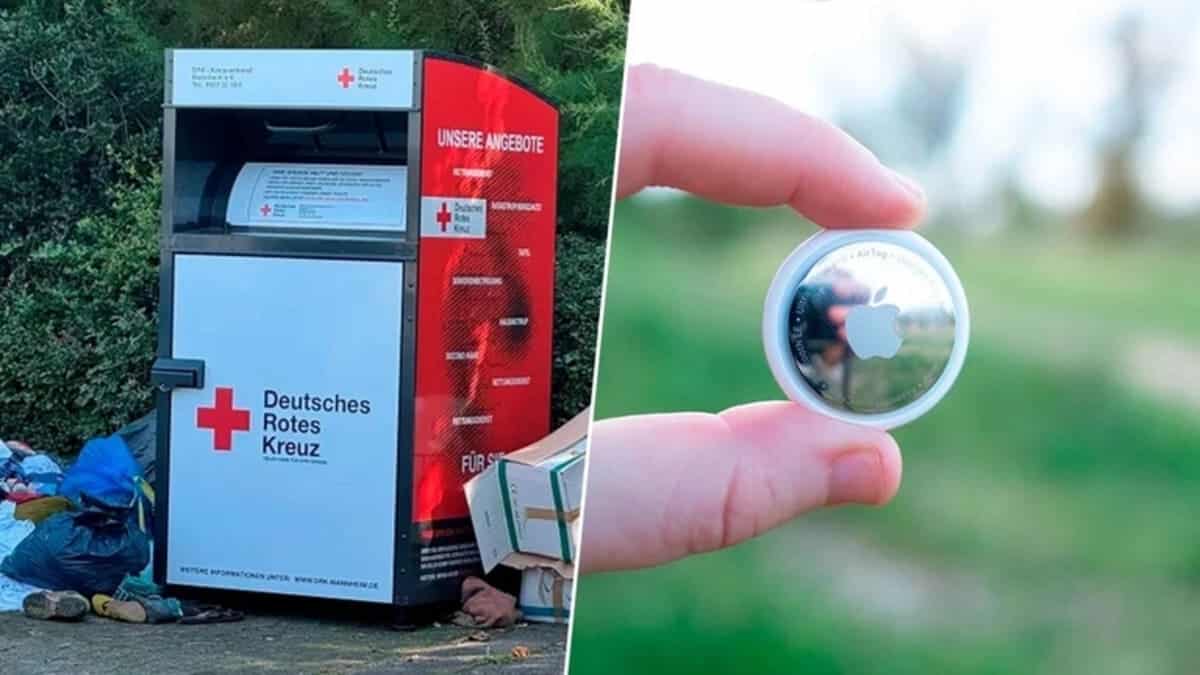
Most of us assume that when we drop our old clothes into a donation bin, they’ll find their way to someone in need. That’s the hope, at least. In Germany, with tens of thousands of collection containers scattered across cities and towns, that system is firmly in place. But one man, Moe Haa, a curious social media creator, wanted to know exactly what happened once the lid on the bin snapped shut.
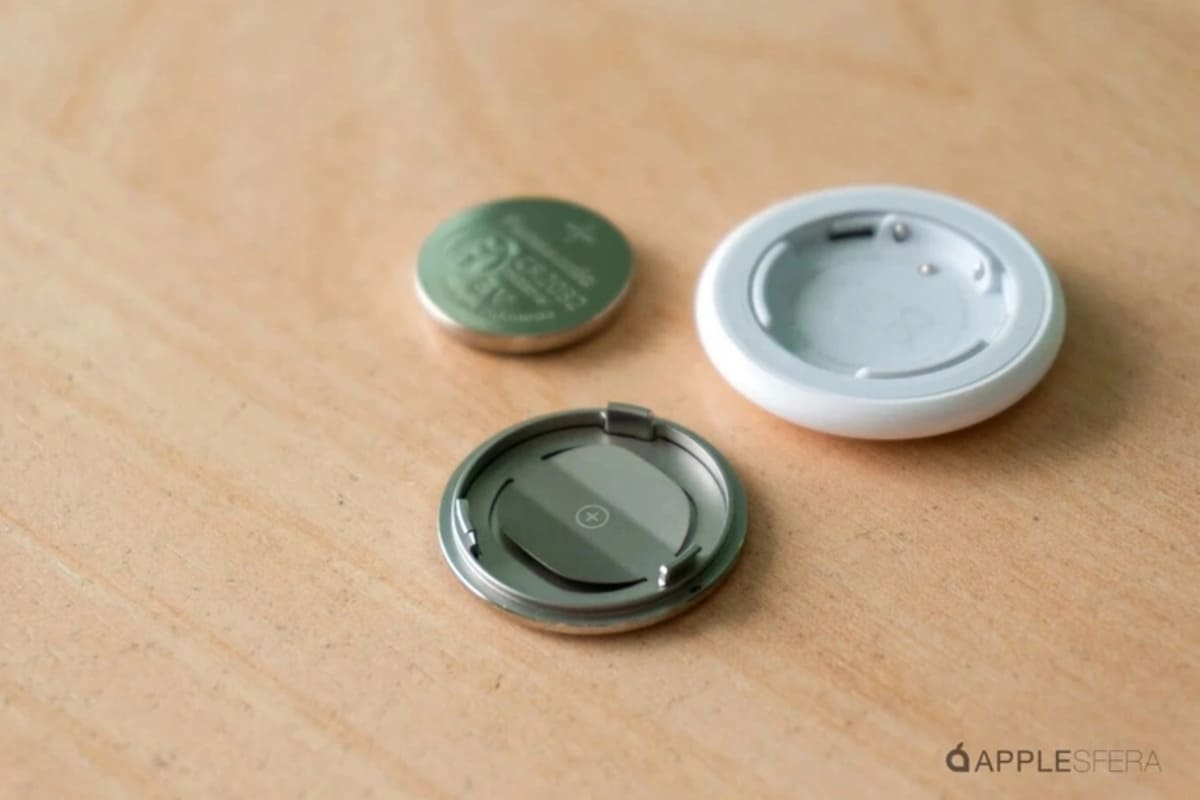
So, he did what any tech-savvy sleuth might do — he hid an AirTag in the sole of a battered pair of trainers and donated them to a local Red Cross bin. His goal? Trace their journey and see whether these so-called “gifts” really reached people who needed them, or if they ended up somewhere a little less charitable.
The Growing Demand for Data-Driven Decision Making in Silicon Valley
He quit, ran out of money, and begged to come back — here’s how his boss reacted
A journey across borders
The story begins in a sleepy town in Bavaria, where Moe deposited the shoes. From there, his phone — synced to the AirTag using Apple’s Find My network — began lighting up. First stop: Munich. All seemed normal. Then the journey took a sharp turn, both geographically and narratively.
The shoes crossed into Austria, cruised through Slovenia, and rolled down into Croatia. Finally, they landed in Bosnia and Herzegovina — nearly 800 kilometres from where they started. Not quite the direct route you might expect for a donated pair of trainers.
But it wasn’t the distance that raised eyebrows — it was the destination.
From donation bin to market stall
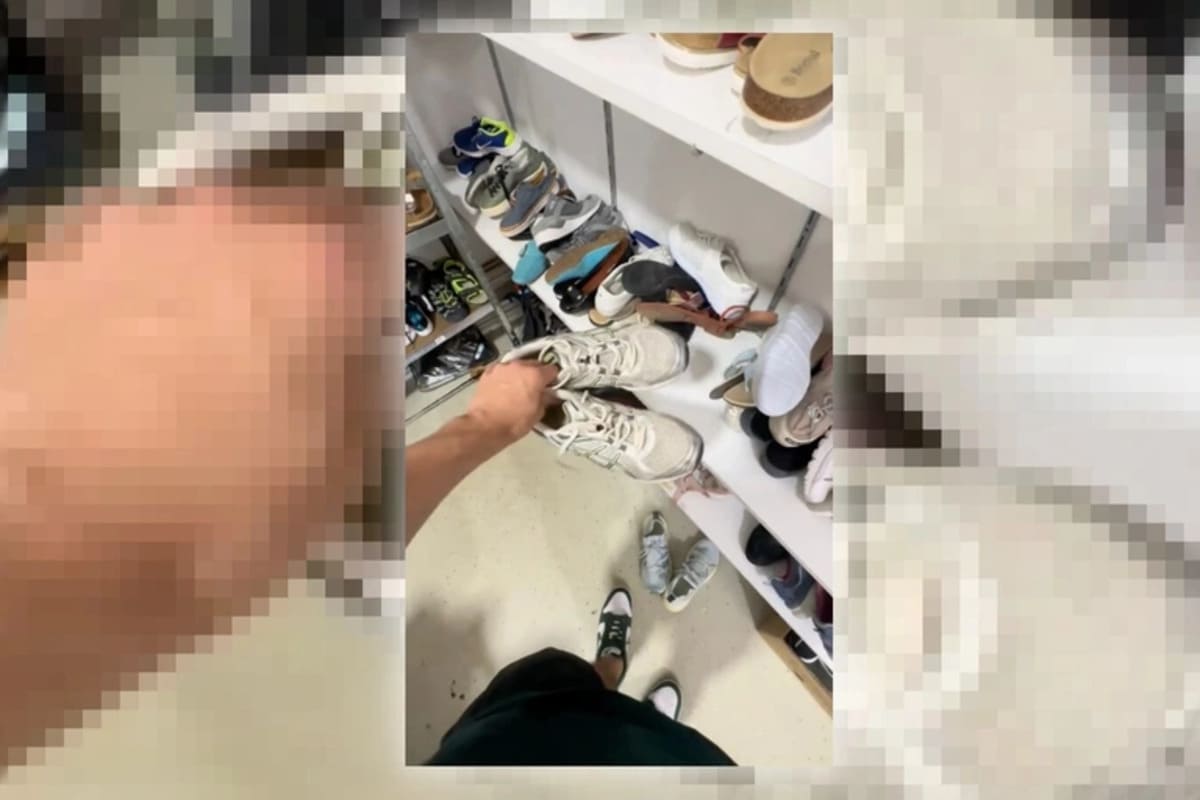
The AirTag finally settled in a small Bosnian town. According to Moe’s GPS tracking, the trainers were sitting in what appeared to be a second-hand clothing market. Intrigued (and by now fully invested in his own investigation), Moe flew over to see for himself.
Sure enough, his donated trainers were sitting neatly on a shelf alongside second-hand jumpers, children’s toys, and kitchenware. But here’s the twist: they were being sold for €10. That’s right — a donation meant for those in need had ended up with a price tag.
To get more information, Moe posed as a customer and casually chatted to the vendor. When he asked where the items came from, she vaguely said they were “imported from Germany”. When he pushed further and asked whether they were donated items, she denied it entirely.
The Red Cross responds
The video Moe shared quickly gained traction online, sparking questions and criticism. In response, the German Red Cross issued a public statement, confirming what many had suspected: not all donations are handed directly to those in need.
Instead, they explained, donations follow different paths:
- Some items are given directly to people facing hardship in Germany.
- Others are sold to recycling or resale companies, often in countries where demand for cheap clothing is higher.
The money made from these sales, they added, goes back into humanitarian projects, not into profit. Still, the lack of transparency left a bitter taste — especially for donors who assumed their contributions were helping someone directly.
Why transparency matters
On paper, nothing illegal happened. The items were processed through established channels. But the ethical question lingers: when people give out of kindness, expecting their donations to be gifted — not sold — should they be told more about what really happens?
In an era where shoppers demand clear supply chains and traceability, it’s no stretch to expect the same standards for charitable giving.
Interestingly, Moe’s stunt wasn’t the first of its kind. A year earlier, an American woman named Brandy Deason used AirTags to expose a fake recycling scheme in Houston. Her tagged “recyclables” ended up in illegal landfills, sparking public outrage and even a resignation at city level.
So perhaps what we’re seeing is a new era of digital accountability — where everyday people, equipped with consumer tech, can shine a light on systems that don’t always do what they promise.
For now, Moe’s trainers may be back on his feet, but the questions he raised continue to walk on.
You might also like:
- He hid an AirTag in shoes donated to charity – and uncovered a shady resale scheme
- Lottery winner donates winnings to charities after saying God blessed her to bless others
- Book Fairies: 25,000 books for New York children after major donation
- 46,000 knitted mice set Guinness World Record as crafting community donates to rescue cats
- Beloved town Santa donates kidney to resident in need

David Miller is an entertainment expert with a passion for film, music, and series. With eight years in cultural criticism, he takes you behind the scenes of productions and studios. His energetic style guides you to the next big releases and trending sensations.


Man, I remember when I donated my old kicks to charity. Never thought theyd end up in some sketchy market. Gotta track my shoes now? Thats some next-level detective work. Hope those Red Cross folks got answers.
Man, I once donated my old kicks and wondered where they ended up. Tracking them? Thats some next-level curiosity! Gotta admit, Im intrigued. Who knew a pair of shoes could have such a journey, right?
I remember donating my old kicks once, wonder where they ended up. Tracking shoes? Sounds intense. Maybe theyll end up in a whole new world. Lets hope its a good one, eh?
I once donated an old jacket and wondered where it ended up. Tracking those shoes? Genius move! Cant wait to see where they pop up. Bet they have more adventures than me!
I once gave away a pair of sneakers and wondered where theyd end up. Tracking them? Thats some next-level curiosity! Can you imagine the stories those shoes could tell? Talk about a journey!
Man, I once donated my old sneakers thinkin Im doin good, ya know? But this guy tracking them to the market stall? Thats some next-level detective work. Wonder what other surprises those shoes got into!
Man, I always wonder what happens after I drop stuff in those donation bins. Like, do they really end up where theyre supposed to? This dude tracking his shoes got me all curious now!