

Show summary Hide summary
- How the film blends comedy, fantasy, and anti-capitalist critique
- Inside the Velvet Gang: actors, characters, and motivations
- Retail memories and why the film hits like a familiar bruise
- Fashion, identity, and the economics of desire
- Design, cinematography, and making resistance look spectacular
- What the cast shared about navigating low-wage work
- Audience reaction: red carpets, giveaways, and public debate
- Riley’s argument: theft, history, and the language of resistance
- Where consumption and activism collide on screen
- Performing survival: race, class, and the labor of representation
- Controversy, praise, and why the film matters now
Boots Riley’s I Love Boosters arrives loud, colorful, and intentionally messy — a satirical heist film that dresses rebellion in high fashion. It moves between slapstick, surreal fantasy, and pointed class critique while following a group of young women who steal luxury goods from a mall chain and funnel them back into their neighborhoods.
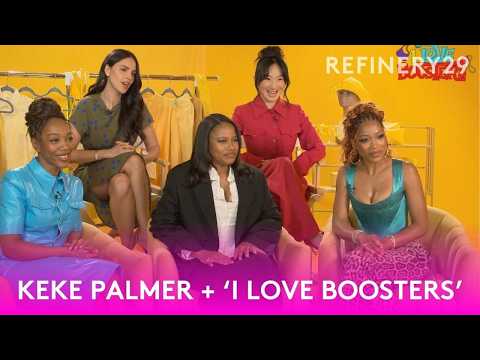
On screen, the Velvet Gang is played by a cast that includes Keke Palmer, Naomi Ackie, Taylour Paige, Poppy Liu, and Eiza González; off camera, the actors talked about retail labor, low wages, and practical survival tactics for employees who feel stuck under difficult managers. The movie uses style as both spectacle and argument, and the conversation around it keeps circling back to work, worth, and who gets to own beauty.
How the film blends comedy, fantasy, and anti-capitalist critique
The Growing Demand for Data-Driven Decision Making in Silicon Valley
He quit, ran out of money, and begged to come back — here’s how his boss reacted
I Love Boosters refuses to settle into one genre. It’s a heist picture, yes, but it’s also a surreal comedy and a piece of pointed political satire. Riley leans into absurd moments and magical-realist flourishes to make the film’s argument: under late-stage capitalism, access to luxury becomes a system of exclusion and spectacle.
The movie’s comedic beats make its critique more digestible, but they don’t soften the point. The humor and the chaos exist to highlight the everyday indignities of retail labor and the vast gap between the people who make, market, and profit from fashion and the communities who can’t afford it.
Inside the Velvet Gang: actors, characters, and motivations
The ensemble brings distinct energies to the screen. Each character’s backstory connects a personal grievance to broader systems of exploitation.
- Corvette (Keke Palmer): The group’s charismatic ringleader and a designer obsessed with both aesthetics and justice. Her relationship to fashion drives the crew’s tactics as much as economic need.
- Sade (Naomi Ackie): Loyal and sharp, she stands beside Corvette through risk and chaos, representing the emotional core of the crew.
- Mariah (Taylour Paige): Tough and unflinching, Mariah brings grit and physicality to the team’s operations.
- Jianhu (Poppy Liu): A character rooted in the realities of exploited factory labor, her family’s story connects the store’s sparkle to the brutal conditions of production overseas.
- Violeta (Eiza González): A longtime store employee who endures low pay and corporate indifference; her push to organize at work crystallizes the film’s labor themes.
Why these characters matter
Together, the gang illustrates multiple facets of the fashion industry: the front-line sales staff, the factory workers, and consumers negotiating identity through brand culture. The film intentionally places marginalized workers at its center to show how style can be both weapon and refuge.
Retail memories and why the film hits like a familiar bruise
For many viewers who once wore a retail badge, the film’s scenes will feel uncomfortably close to real life. Personal anecdotes about managers policing employees’ clothing, mandatory scenting and playlists, and humiliations meant to cultivate a brand image are woven into the movie’s fabric.
Those experiences—feeling pressured to spend scarce wages on the very merchandise you’re expected to sell, enduring microaggressions on the shop floor, or being publicly reprimanded for your appearance—are not incidental in I Love Boosters. They’re the sparks that make the Velvet Gang’s actions understandable, if not inevitable.
Fashion, identity, and the economics of desire
One of the movie’s central intellectual threads is how fashion functions as a kind of currency. It promises transformation: a garment isn’t just fabric, it’s status, a new social identity, or a shield against invisibility. That promise is sold to consumers while the true costs—labor conditions and environmental impact—are hidden.
Actors and creatives involved with the film emphasize two tensions: that clothing can be a genuine form of self-expression and that the industry uses that expression as a tool for extraction. The result is a cultural economy where yearning for beauty becomes entangled with systemic inequity.
Design, cinematography, and making resistance look spectacular
Riley, cinematographer Natasha Braier, and costume designer Shirley Kurata build a world that is deliberately maximal: bold colors, exaggerated silhouettes, and playful set design create a contrast between visual abundance and material scarcity. The costumes do more than decorate—they argue.
The film treats clothes as language: joy, solidarity, anger, and aspiration are all readable through what the characters wear. The aesthetic choices underline the movie’s thesis that fashion can signal both consent to a system and rejection of it.
What the cast shared about navigating low-wage work
When asked what they’d tell people still working retail jobs, the cast offered practical, immediate advice grounded in lived experience.
- Take care of your body: Good shoes and arch support matter when you’re on your feet all day.
- Hydration and self-care: Small comforts can help on difficult shifts.
- Visibility matters: If you’re laboring in the back room, the public may not notice you—but your colleagues do.
- Plan ahead: When possible, line up your next job or income source before quitting. Practical preparation can change outcomes.
Audience reaction: red carpets, giveaways, and public debate
The film’s release sparked lively conversations on the red carpet and online. Events tied to the movie—like a promotional gas giveaway hosted by cast members—were less about publicity stunts and more about pointing to real pressures people face, from rising fuel costs to stagnant wages.
Social media response split between praise for celebrities raising systemic questions and skepticism about performers speaking out while benefiting from visibility. Those comments reveal the same tensions the movie explores: visibility is not the same as wealth, and critique often requires voices across socioeconomic lines to gain traction.
Riley’s argument: theft, history, and the language of resistance
At its bluntest, the film suggests a provocative claim: theft and capitalism are historically intertwined. Property, profit, and extraction have often been justified and legalized in ways that obscure moral tradeoffs. In the movie’s view, stealing a garment can be reframed as reclaiming access to dignity in a system that monetizes it.
That framing is intentionally uncomfortable. It forces audiences to reckon with how everyday commodities become markers of worth and how a system that cloaks exploitation in glamour relies on silence and complicity.
Where consumption and activism collide on screen
I Love Boosters stages a paradox: the same object that signals desire also becomes a tool of protest. The Velvet Gang’s heists are not purely about material gain—they’re a statement about who gets to possess beauty and who is systematically excluded from it.
The film insists that wanting nice things is not inherently shameful; the injustice lies in charging dignity with a price tag.
Performing survival: race, class, and the labor of representation
The movie interrogates the performance required of marginalized workers. Smiling at a fitting room door, selling an aspirational lifestyle, or embodying a brand’s curated image are forms of labor that often go unpaid emotionally and socially. The characters’ lives reflect how resilience and artistry can coexist with exploitation.
By centering working-class women of color, the film foregrounds voices typically reduced to foot traffic or sales statistics. It converts everyday gestures into acts of resistance and shows how style can be a survival strategy as much as a personal choice.
Controversy, praise, and why the film matters now
Reactions will vary: some critics see the movie’s loose, playful approach as a flaw, while others view it as a deliberate tactic—using whimsy and color to make a radical argument more accessible. Either way, the film opens up conversations about labor, consumption, and the cultural power of fashion.
For viewers who’ve worked behind a cash wrap or in a stockroom, the movie has the particular charge of recognition: it names familiar humiliations and converts them into a comic, insurgent spectacle that refuses to be polite about profit.
You might also like:
- Fashion and beauty shopping: Rejoicify’s curated picks to love
- Summer I Turned Pretty movie: everything we know
- People we meet on vacation movie vs book: key differences
- Voicemails for Isabelle on Netflix: Zoey Deutch and Nick Robinson say it’s more than a rom-com
- Hayley Kiyoko on girls like girls and how it helped queer youth come out

David Miller is an entertainment expert with a passion for film, music, and series. With eight years in cultural criticism, he takes you behind the scenes of productions and studios. His energetic style guides you to the next big releases and trending sensations.


Man, the Velvet Gang in I Love Boosters are like the cool outcasts we all secretly wanna be. Their anti-capitalist sass hits hard, blendin comedy and fantasy with a rebel yell. Its like a stylish middle finger to the system.
Man, I gotta give it up for Boosters movie, yo! That Velvet Gang aint just stylish, theyre like a breath of fresh air in a stuffy room. Comedy, fantasy, anti-capitalism? Sign me up for that wild ride!
Yo, Boosters movie is like a breath of fresh air, right? The Velvet Gang got that style and substance, man. Who knew you could get comedy, fantasy, and anti-capitalism all in one wild ride? Sounds like my kinda flick!
Man, Boosters movie hits hard! The Velvet Gangs rebellion is straight fire against the system. Comedy, fantasy, and anti-capitalism in one? Genius move. Characters with depth, making you rethink your retail memories. So good!
Man, watching I Love Boosters was like a wild ride through rebellion and humor! The Velvet Gangs antics had me cracking up, but beneath the laughs, that anti-capitalist punch hit hard. Who knew a comedy could make you think so much?
Man, Boosters movie hit me like a punch in the gut! The Velvet Gang aint playin around. Hilarious yet deep, its like a mirror to societys messed-up ways. Who knew rebellion could look so stylish?
Man, I gotta say, I Love Boosters is like a breath of fresh air in a stuffy room. The way it mixes comedy and anti-capitalist vibes? Genius. Its like a rebel yell against the system, wrapped in a stylish package.
Man, I Love Boosters is like a punk rock anthem against the corporate machine, yknow? The characters are rebels with a cause, and the humor hits harder than my morning coffee. Cant get enough of that anti-capitalist sass!
Dude, totally feel ya! Boosters packs a punch against the bigwigs. Those characters? Rebels with a kick and sass, man. Its like a shot of espresso for the anti-establishment soul. Gotta love that mix of humor and chaos. Whats your fave anti-capitalist quip so far?
Dude, Boosters movie is like a breath of fresh air in a polluted city, yknow? Love how they mix humor, fantasy, and sticking it to the man. Velvet Gangs my jam!
Velvet Gangs, man, theyre like the rockstars of the Boosters movie! Mixing humor, fantasy, and a good ol kick to the system. Cant help but root for the rebels, right? Theyre the ones shaking things up! Who needs the hero when you got a gang with swagger like that?
Man, Boosters movie really hit the nail on the head with that anti-capitalist vibe. The Velvet Gang felt like a bunch of misfits Id wanna hang out with. Cant get enough of that rebellious spirit mixed with comedy and fantasy!
Man, Boosters is like a shot of adrenaline straight to the system! The way they mix humor with that anti-capitalist punch is genius. Its like a rebellion wrapped in glitter – cant get enough!
Man, the Velvet Gang in I Love Boosters is like a breath of fresh air, yknow? Theyre not just characters, theyre a vibe. Blending comedy with anti-capitalist vibes? Thats my kind of rebel yell. Cant wait to see it all unfold!