
Show summary Hide summary
- Where the money is going: services hit hardest by undocumented migration
- Local leaders describe “unbudgeted” emergency spending
- Impact on taxpayers and municipal priorities
- Policy gaps and calls for national support
- Examples from towns and cities: real-world consequences
- What councils are doing to adapt and manage costs
- Risks if pressure continues to grow
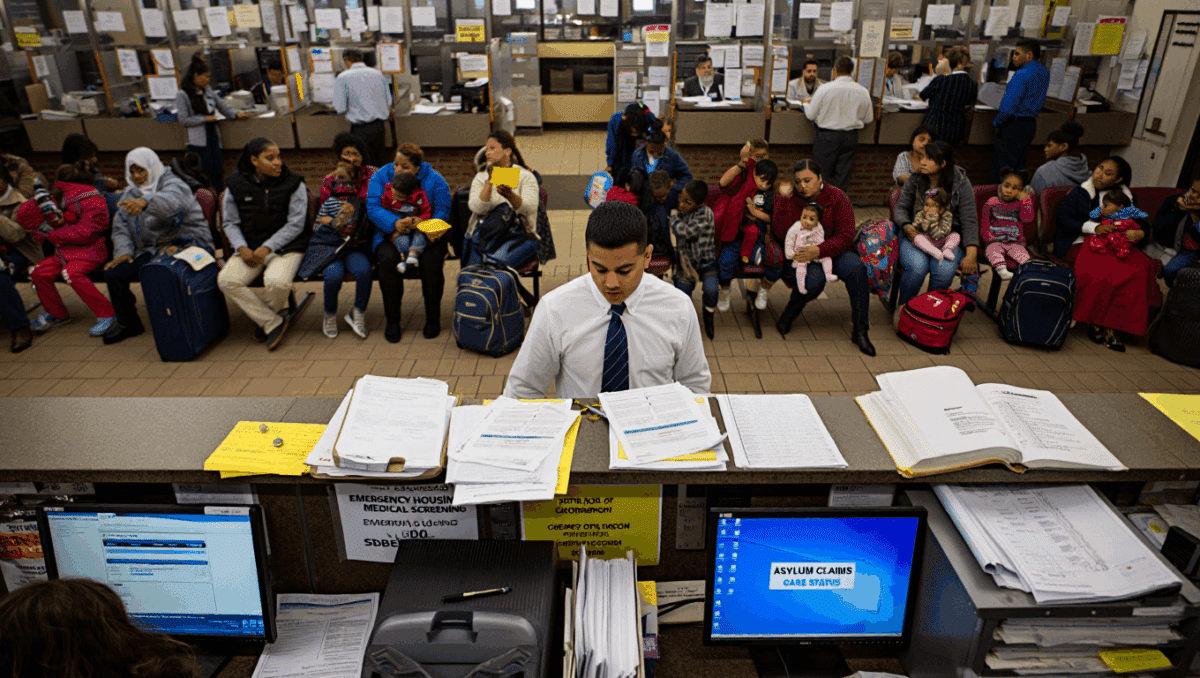
Local governments across the country are feeling the strain as undocumented migration and unexpected asylum claims push budgets to the breaking point. From emergency shelter and health care to school placements and legal support, council leaders say the short-term demands are forcing long-term trade-offs that could reshape local services for years.
Behind the headlines are stretched staff, emergency room wait times ticking up, and municipal coffers drained by costs that weren’t planned into annual budgets. Officials warn that without changes at the national level, communities will face increasingly difficult choices about which services to prioritize.
Where the money is going: services hit hardest by undocumented migration
Local governments are reporting budget pressure in several areas as they respond to undocumented arrivals and unplanned asylum cases. Key cost drivers include:
The Growing Demand for Data-Driven Decision Making in Silicon Valley
He quit, ran out of money, and begged to come back — here’s how his boss reacted
- Emergency housing and temporary shelter: Paying for hotels, hostels, and short-term housing while cases are processed.
- Health and mental health services: Covering urgent care, chronic conditions, and counseling for traumatized migrants.
- Education and school integration: Additional staff, language support, and special programs for newly arrived children.
- Legal and administrative expenses: Processing asylum claims, immigration paperwork, and litigation support.
- Social services and placement: Child protection, family support, and case management for vulnerable people.
Local leaders describe “unbudgeted” emergency spending
Council officials describe the spending as largely unplanned. Budgets were approved months earlier and suddenly face large, unexpected outlays. Smaller municipalities are particularly vulnerable, since a single mass arrival or spike in claims can represent a significant percentage of their annual discretionary spending.
Many councils resort to drawing down reserves or diverting funds from routine maintenance, parks, and libraries just to meet immediate needs. Others are trimming planned capital projects or delaying equipment purchases for public safety and sanitation departments.
Staffing pressures and hidden costs
Beyond direct payments, the administrative toll is mounting. Caseworkers, social workers, and school administrators spend hours coordinating placements and services. Recruiting bilingual staff and interpreters adds recurring payroll costs, while overtime and burnout create retention problems.
- Longer processing times for other welfare applicants.
- Increased demand for emergency medical services and community clinics.
- Pressure on housing markets as temporary accommodations spill over into local rentals.
Impact on taxpayers and municipal priorities
Council leaders caution that the burden ultimately falls on taxpayers. When a growing share of local revenue is allocated to immediate migration-related expenses, funding for everyday services can suffer. Road repairs, school supplies, youth programs, and public safety training can all be postponed or reduced.
Some municipalities have begun public information campaigns to explain to residents how costs are being shifted and what trade-offs are being made. These efforts aim to balance transparency with the political sensitivity of migration debates.
Policy gaps and calls for national support
A recurrent theme from councils is the mismatch between responsibilities at the local level and the policy levers available nationally. Local officials argue that clearer funding mechanisms, temporary emergency grants, and faster administrative processes could ease pressure on municipal budgets.
Suggested policy responses from local governments include:
- Targeted emergency funding to cover short-term shelter and care costs.
- Clearer reimbursement timelines for expenses linked to federal or national immigration actions.
- Investment in regional reception centers to reduce reliance on hotels and ad hoc placements.
- Coordinated language and integration programs shared across municipalities to reduce duplication.
Coordination challenges between agencies
Multiple agencies—public health, housing, education, and law enforcement—must cooperate quickly, but differing mandates and budget cycles complicate joint responses. Councils say a streamlined interagency protocol and higher-level coordination could help reduce inefficiencies and lower costs.
Examples from towns and cities: real-world consequences
Across a range of jurisdictions, the effects are visible in different ways:
- Suburban districts report sudden school enrollment increases requiring new classrooms or portable units.
- Coastal towns reliant on seasonal tourism pay steep hotel bills when hotels are used as temporary housing during off-peak months.
- Smaller counties with limited shelter networks must fly in services or pay private contractors at premium rates.
These case studies show how varied the fiscal impact can be depending on local housing markets, existing services, and regional migration patterns.
What councils are doing to adapt and manage costs
Faced with ongoing pressure, many local governments are taking proactive steps to limit financial damage and improve service delivery:
- Establishing dedicated migration response teams to centralize case management.
- Pooling resources regionally to share reception centers and language services.
- Negotiating bulk rates with private providers for temporary housing and transportation.
- Applying for emergency state or federal funds when available and documenting costs for reimbursement claims.
Public-private partnerships and volunteer networks
Some councils are leveraging partnerships with nonprofit organizations, faith groups, and private businesses to fill gaps. Volunteer programs can provide translation, mentorship for schoolchildren, and donation management, though officials warn volunteers can’t replace trained social service staff.
Risks if pressure continues to grow
If current trends continue, councils foresee several risks:
- Degraded local services as funds are reallocated or reserves run dry.
- Political backlash from residents frustrated by rising local taxes or declining services.
- Longer-term fiscal imbalances that require structural budget changes or emergency aid.
Local leaders emphasize that sustainable solutions require coordinated national policies paired with reliable funding streams, rather than leaving municipalities to cope on their own.
You might also like:
- Britain’s hidden black hole: the crisis no one is talking about
- Oxfordshire village erupts over illegal immigration: residents clash with authorities
- Afghan alleged child rapist allowed into Britain: why was he admitted?
- Labour party already resembles the Conservatives one year in
- No taxation without representation: why it must remain non-negotiable

Robert Johnson is a dedicated columnist focusing on political and social debates. With twelve years in editorial writing, he provides nuanced, well‑argued perspectives. His commentaries invite you to form your own views and engage in critical issues.


Man, its like a game of economic survival out here. Local govs getting hit hard by this undocumented migration, unexpected bills piling up, taxpayers footing the bill. Wheres the fairness in that? Gotta rethink these priorities, pronto.
Man, its wild how illegal immigration is affecting local governments. Like, wheres all that money going? Its hitting services hard, and taxpayers gotta foot the bill. Hope leaders figure out a solution soon.
Man, illegal immigration is a hot potato. Its like a never-ending debate, yknow? But when you dive into those numbers about services and spending, its like opening Pandoras box. What a mess!
Yeah, man, illegal immigration is like a never-ending rollercoaster, right? One minute youre diving into those numbers, and the next, bam, youve opened up Pandoras box. Its a whole mess of opinions and perspectives, like trying to untangle headphones in a pocket full of change!
Man, dealing with this whole immigration issue is like trying to fix a leaky faucet with a band-aid. Local governments are getting squeezed dry, and taxpayers are left holding the bag. Its a mess that just keeps getting messier.
Man, its like a leaking faucet, this illegal immigration deal. Drip, drip, drip – costing local govments more every day. Wheres the fix? Gotta plug the hole, cause taxpayers are drownin.
Yo, I hear ya on that leaky faucet analogy! Its like a never-ending saga, right? The struggle is real for those local govments. But seriously, wheres the fix at? We need to patch up that hole before our wallets drown in the deep end. Its a tricky situation, no doubt.
Man, illegal immigrations a hot potato. I get its tough on local budgets, but, like, folks gotta remember were talking about people here. Its a messy situation with no easy fix, yknow?
Man, illegal immigrations got me torn. On one hand, empathy for those seeking a better life. On the other, local governments taking a hit in services. Tricky balance, huh?
Man, its like a never-ending loop, ya know? Local governments dishing out for unbudgeted stuff cause of illegal immigration. Taxpayers caught in the crossfire. Feels like the system needs a good shake-up.
Man, my cousins a local leader, and lemme tell ya, the emergency spending cause of illegal immigration is a hot mess. Cant believe the hidden costs and staffing headaches. Taxpayers gettin the short end again. Sheesh.
Dang, sounds like a headache dealin with all that mess. Illegal immigrations a touchy subject, aint it? Hidden costs, staffing issues… Taxpayers always seem to get the short end, huh? Whats your take on how they should tackle this mess?
Man, its like a leaky faucet, yknow? Drip, drip, drip… Money just trickling away. Cant blame folks for seein red over shelling out for services. But hey, how do we patch this up without drownin in debt?
Oh man, I feel you on that one! Its like watching your hard-earned cash go down the drain, drip by drip. Its enough to make anyones blood boil! Patching up this money leak without drowning in debt? Now thats the million-dollar question, aint it? Gotta get creative before our wallets start looking like a sieve!
Man, local services taking a hit from illegal immigration? Its like a never-ending drain on resources. Wonder if theres a light at the end of this tunnel or if its just gonna keep costing taxpayers more.
Dang, illegal immigration putting a strain on local services? Thats a heavy load to carry. Makes you wonder if theres a fix in sight or if were stuck in this loop, huh? Maybe some fresh ideas could shake things up and ease the burden on taxpayers. What do you think, any bright ideas on the horizon?
Man, its like a game of hide and seek with tax dollars! Undocumented migration draining the piggy bank, huh? Wonder where the cash is really going. Hope local leaders got a map!
Man, its like a game of hide and seek with the budget! Undocumented migrations gotta be like that sneaky player no one can find, but everyones paying for. Taxpayers in for a surprise!
Man, Ill tell ya, its like a never-ending cycle. Local governments scrambling to cover the costs, taxpayers feeling the squeeze, and it just keeps going. Makes you wonder where its all gonna end, yknow?
Man, I gotta say, the whole deal with illegal immigration squeezing local governments? Its like a leaky faucet – you fix one drip, another pops up. Wonder if theres a way to patch this up without the drama.