
Show summary Hide summary
- How Kenneth Walker III turned Kansas City into a rushing powerhouse
- Seattle’s decision to let Walker leave — and why it stings now
- Why Sunday night at Lumen Field matters for both clubs
- Numbers, trends and tactical edges that could decide the game
- Why Kenneth Walker’s early MVP buzz is gaining traction
- What to watch during the game broadcast
The Kansas City Chiefs have erased the doubts that swirled after a difficult 6-11 season and Patrick Mahomes’ knee injury. With Mahomes healthy and Andy Reid back in top form, the Chiefs sit unbeaten heading into Sunday night’s showdown at Lumen Field against the defending champion Seattle Seahawks.
But this is not simply a Mahomes story. A new narrative has emerged in Kansas City: running back Kenneth Walker III has become the engine of an AFC-leading offense, and his explosive start is reshaping MVP conversations and the perception of both franchises.
How Kenneth Walker III turned Kansas City into a rushing powerhouse
The Growing Demand for Data-Driven Decision Making in Silicon Valley
He quit, ran out of money, and begged to come back — here’s how his boss reacted
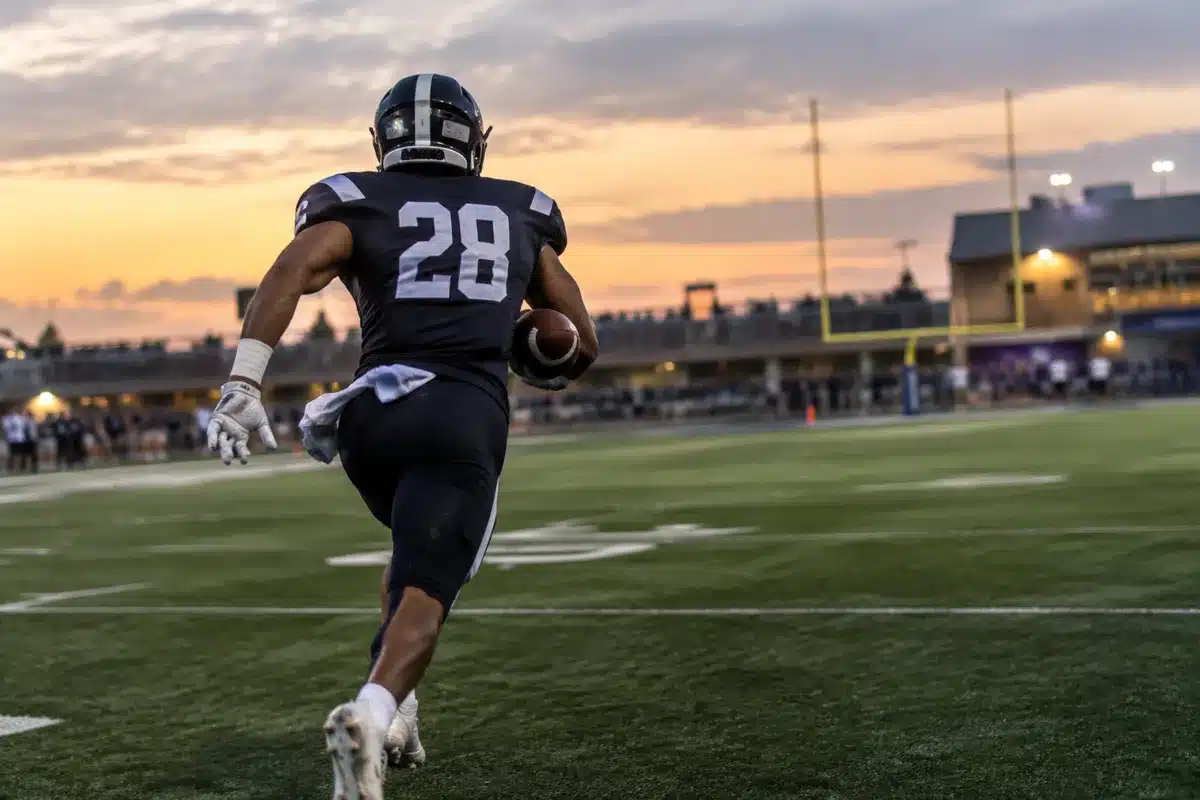
Kenneth Walker III arrived in Kansas City as a free agent and has immediately reshaped the Chiefs’ identity on offense. Through five games he sits at the top of the league in rushing yards, and his consistency has given Kansas City a reliable ground game that complements Mahomes’ passing attack.

- NFL-leading production: Walker has piled up 665 rushing yards this season, already eclipsing the previous team season-leading mark from last year.
- Big-game tendency: Walker’s game log includes multiple 100-plus-yard outings, and his lowest rushing total this year still remains a productive 70 yards.
- Explosive efficiency: He’s averaging significantly more yards per carry than Seattle’s current leaders, giving the Chiefs an advantage in both clock control and field-position battles.
Walker’s presence forces defenses to respect the run on early downs, opening play-action lanes and creating cleaner throwing windows for Mahomes. That balance has turned Kansas City into one of the NFL’s most difficult offenses to game-plan against.
Seattle’s decision to let Walker leave — and why it stings now
Seattle’s front office chose not to match a top-tier running back contract, and Walker walked in free agency to sign a multi-year deal in Kansas City. That move looks costly through the lens of the season so far.
Coach Mike Macdonald has publicly walked a tightrope when addressing Walker’s return, mixing respect for the player with a realistic focus on stopping him. As he put it, he appreciates their past relationship but must also devise ways to slow down a back who is “playing at a really high level.”
- Contract reality: Walker secured a lucrative pact in Kansas City, a reflection of how teams value explosive, young running backs in today’s market.
- Roster contrast: Seattle’s current rushing totals are spread among several players, and their leading rusher’s yards-per-carry mark trails Walker’s by a wide margin.
- Organizational regret: From a performance standpoint, Walker’s immediate return on investment for the Chiefs makes Seattle’s decision look like a miscalculation.
Why Sunday night at Lumen Field matters for both clubs
Lumen Field is one of the NFL’s most hostile environments, and a road test there is a meaningful measuring stick. For Kansas City it’s an opportunity to prove the team’s 6-0 start is legitimate; for Seattle it’s a chance to show they can stop their former star and stabilize a 3-3 season.

Matchup elements to watch:
- Seattle’s run defense vs. Walker’s burst and vision — can they contain the inside lanes?
- Kansas City’s offensive line — will it open holes against a revamped Seahawks front?
- Mahomes’ mobility and pocket presence — healthy and effective, or limited by recent wear?
- Home-field noise and halftime adjustments — Seattle’s edge in the fourth quarter at Lumen Field.
Numbers, trends and tactical edges that could decide the game
Stat lines tell part of the story, but tendencies and matchups will determine how those numbers translate into a win or loss.
Rushing efficiency vs. defensive structure
Kansas City is getting both volume and efficiency from Walker, a rare combination that neutralizes typical defensive counters like loading the box. Seattle must choose between pressuring Mahomes or allocating defenders to stop the run, and either choice opens risks.
Play-calling and game management
Andy Reid’s play design and clock management, combined with Mahomes’ ability to extend plays, create a strategic advantage. If the Chiefs sustain long drives, Seattle’s offense will have fewer possessions to keep pace.
Special teams and turnovers
In tight games, field position and sudden momentum swings from turnovers can flip outcomes. Both teams will emphasize ball security and the hidden yards gained or lost through special teams.
Why Kenneth Walker’s early MVP buzz is gaining traction
Walker’s combination of yardage, big-game performances and consistent production has sparked legitimate MVP talk. He isn’t just padding stats; he’s altered how opponents prepare for the Chiefs every week.
- Consistency: Multiple games over 100 yards and no single flop display a high floor.
- Impact: Defenses that try to take Walker away open opportunities elsewhere for Kansas City’s playmakers.
- Visibility: Big numbers in nationally televised matchups increase voter and media attention.
What to watch during the game broadcast
- How often Kansas City rides Walker on early downs
- Seattle’s defensive alignment on third-and-short situations
- Mahomes’ decision-making under pressure and his connection with key receivers
- Clock management in the fourth quarter — who dictates the tempo?
You might also like:
- Chiefs could be back, and that spells trouble for the NFL
- Sam Darnold leads Seahawks past 49ers, silencing doubts
- Kansas City Chiefs still playoff contenders despite 6-6 record
- Chiefs Dynasty Lives On: Why Kansas City Still Tops Super Bowl Favorites
- Kansas City Chiefs offense needs an overhaul this offseason

John Davis is a sports journalist focused on the NBA, NFL, and major global championships. With seven years of live coverage, he breaks down performances and key strategies. His expertise gives you a clear view of every game and its impact.

