
Show summary Hide summary
- Where voters have moved and why the Labour brand feels different
- Local government controversies and failures to protect vulnerable people
- Cultural battles: free speech, extremism, and religious tensions
- Gender, sex and education: how policy debates have played out
- Immigration policy and perceived political paralysis
- Economic direction: taxation, jobs and long-term planning
- Lessons from local government success and why it matters
- Why we are leaving and what we hope our departure will prompt
The Labour Party was founded at the turn of the 20th century to give working people a political voice and to advance liberal democratic values. Yet recent polls suggest the party now polls highest among higher earners, while a newer right-leaning movement has gained traction with lower-income voters. Two long-serving former Labour officials explain why they believe the party they knew has shifted so dramatically.
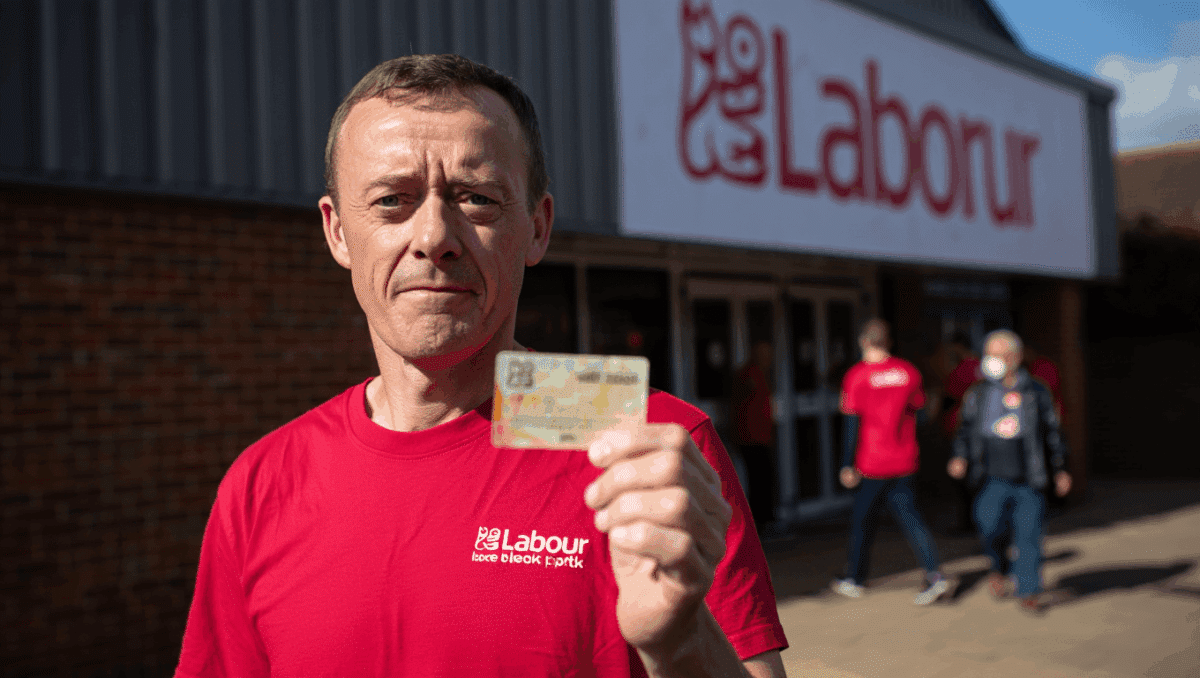
After more than a century of combined membership and decades in local office, we no longer recognize the priorities and instincts of the Labour Party. Our concerns range from cultural and ethical failures to economic missteps and local-government controversies. Below, we lay out the issues that prompted our decision to leave the party we once served.
Where voters have moved and why the Labour brand feels different
The once-clear alignment of class and party has blurred. Voters earning higher incomes now show stronger support for Labour, while working-class support has shifted elsewhere. This realignment reflects several political and cultural trends:
The Growing Demand for Data-Driven Decision Making in Silicon Valley
He quit, ran out of money, and begged to come back — here’s how his boss reacted
- Labour’s focus on identity-based alliances has changed how the party engages with communities, privileging short-term coalition-building over broader policy appeals.
- Local party machines often prioritize influence and patronage—appointments, honors, and access—over grassroots problem-solving.
- As a result, many voters feel their everyday concerns—jobs, safety, immigration—are sidelined in favor of symbolic politics.
The result is a loss of the party’s traditional mission to be the political home of working people. That perception, whether entirely fair or not, has significant electoral consequences.
Local government controversies and failures to protect vulnerable people
Local councils are the front line of public services. Where councils fail, people suffer directly. We have witnessed decisions and inaction that, in our view, have compounded harm rather than prevented it.
Child exploitation inquiries and accountability
Reports and national audits have exposed group-based child exploitation in multiple areas. Critics argue that some Labour-led councils were slow to recognize or act on the scale of abuse, and that demanding independent scrutiny has sometimes been resisted for political reasons. Calls for comprehensive, transparent inquiries at city levels have met reluctance from some high-profile figures.
Public safety and community cohesion
Where local democracy becomes transactional, genuine community advocates are often overshadowed by those who deliver short-term blocs of support. That can leave moderate voices and reformers marginalized, while longer-term social fractures grow.
Cultural battles: free speech, extremism, and religious tensions
The party’s approach to free expression and community relations has become a flashpoint both internally and in public debate.
- There is a growing concern about anti-Semitism in sections of the political arena and on social platforms. Many members feel the leadership’s responses have been insufficiently robust.
- Policing and public-order legislation have sometimes been used in ways that critics say curtail legitimate protest and debate, with resources diverted to logging so-called “non-crime hate incidents.”
- High-profile incidents—such as attacks on educators over classroom material—highlight tensions between protecting religious sensitivities and defending academic freedom.
These tensions raise difficult questions about how to protect communities while preserving open debate and civil liberties.
Gender, sex and education: how policy debates have played out
Disputes over transgender rights, single-sex spaces, and legal definitions of sex have become central political battlegrounds.
Legal clarifications and policy delays
A Supreme Court decision clarified that, for the purposes of a key equality law, the terms “man,” “woman,” and “sex” refer to biological sex. That ruling prompted updated regulatory guidance, but detailed educational policies—especially guidance on single-sex spaces in schools—have been slow to follow. This delay has provoked frustration among elected officials, educators, and campaign groups on all sides of the debate.
Internal tensions
Party leadership has sometimes signaled agreement with the legal position while failing to confront activist wings pushing for broader self-identification policies. The result: mixed messages to schools, unions, and the public, and continued uncertainty for service providers and vulnerable groups.
Immigration policy and perceived political paralysis
Immigration continues to be one of the most potent issues for many voters. Critics argue the party’s approach has been incoherent—tough talk from some frontbenchers contrasted with open-border rhetoric from other factions.
- Calls for firmer enforcement and clearer controls have often been met with hesitation inside party ranks.
- When national characteristics like illegal migration dominate local pressures—housing, schooling, policing—perceived inaction feeds voter disillusionment.
Economic direction: taxation, jobs and long-term planning
Economic policy is a central battleground in modern politics. Our critique focuses on what we see as short-termism and policies that risk discouraging private-sector growth.
Tax measures and business climate
Recent increases in employer-side national insurance and other levies are seen by critics as penalizing businesses—especially small firms and sectors like hospitality and agriculture—at a time when investment and hiring are already fragile. Observers warn that higher labor costs and regulatory burdens could reduce job creation, particularly for younger workers entering the labor market.
Public spending and deficits
The government runs a large fiscal deficit. While some of the inherited debt predates the current administration, the choice between immediate spending to boost popularity and long-term fiscal prudence is a central political dilemma. Without a credible plan to reduce borrowing or to boost productivity, future generations may face higher tax bills or reduced public services.
We argue for a thorough review of public spending priorities and smarter, growth-focused economic planning rather than populist giveaways.
Lessons from local government success and why it matters
When we led Newham Council, we focused on efficient service delivery, job brokerage, and fiscal discipline. The results included frozen council tax for a decade and strong public satisfaction ratings. That experience informs our belief that careful management and community-focused reforms can improve services without unchecked spending.
- Targeted job programs can boost employment without large new tax burdens.
- Strong local accountability and transparent budgeting build public trust.
- Political leadership that balances principles with pragmatic governance can restore faith in institutions.
Why we are leaving and what we hope our departure will prompt
After long service, our decision to resign from the Labour Party is the product of accumulated frustrations with direction, priorities, and culture. We remain committed to progressive ideals—social justice, economic opportunity, and civil liberties—but we no longer believe the current party leadership or its internal dynamics will deliver them.
We have therefore decided to terminate our Labour Party membership. This is not a decision made lightly after decades of involvement and public office. We hope it prompts reflection among remaining members about the party’s future and the values it chooses to defend.
Sir Robin Wales served as mayor of Newham from 2002 to 2018.
Clive Furness is a former Newham councillor and executive member.
You might also like:
- UK Labour Party risks final nail in its coffin after latest setback
- Reform party now undisputed choice of the working class
- Globalists accused of failing Britain’s economy and political system
- Keir Starmer, Labour Party in crisis as it faces existential threat
- Labour polls: have recent results already cost the party the next election?

Robert Johnson is a dedicated columnist focusing on political and social debates. With twelve years in editorial writing, he provides nuanced, well‑argued perspectives. His commentaries invite you to form your own views and engage in critical issues.


Man, I remember when Labour felt like family. Now its like a messy divorce with everyone storming out. Can they patch things up or is this the new normal? Time for some serious soul-searching.
Man, Labour used to be like that cozy family reunion, right? Everyone sharing stories, laughing, feeling connected. But now? Its like a reality TV show with all the drama and chaos. Can they kiss and make up, or are we stuck in this soap opera? Time for some deep reflection, huh?
Man, remember when Labour felt like the peoples party? Now its like a ship leaking members faster than a pasta strainer. Somethings gotta change, or theyll be as relevant as a floppy disk.
Man, its like watching a sinking ship. Labour Party losing members faster than you can say Brexit. Bet theyre fleeing faster than rats. Wonder if theyll patch up the leaks before its too late.
Ugh, these Labour Party exits? Its like watching a reality show with all the drama and backstabbing. Cant figure whos gonna be next to storm off the stage. Wonder whats really going on behind the scenes, you know?
Man, Labours like that friend who keeps changing plans last minute. Members bailin on em like its a sinking ship. Wonder if theyll get their act together or keep chasin shadows.
Man, its like watching a game of musical chairs with these Labour Party members bouncin out left and right. Whats the deal? Feels like the brands takin a hit. Gonna need some serious patch-up work to win folks back.
Mate, the Labour Partys like a sinking ship, innit? Members bailin left and right, cant blame em. Whod wanna stick around with all that mess? Time for a change, I reckon.
Man, these Labour Party exits hit hard. Feels like watching a sinking ship—everyones bailing. Wonder if theyll plug the leaks or sink deeper. Politics, eh? Always a wild ride.
Man, these Labour Party exits are like a drama-filled soap opera, mate. Feels like theyre playing musical chairs with the leadership. Whos gonna be next to jump ship, eh? Politics is a rollercoaster ride, always keeping us on our toes. Wonder if theyll find their compass or keep sailing into stormy waters. Ah, the joys of politics, never a dull moment, right?
Man, its like a revolving door with the Labour Party, innit? Members leavin left and right. Cant blame em, though. If yer ships sinkin, why stay on board, right? Wonder if theyll get their act together anytime soon.
Man, the Labour Partys like a sinking ship lately. Members jumpin off left and right. Can they patch up the leaks and get back on course, or are they doomed to be lost at sea?
Ah, the Labour Party shuffle, eh? Reminds me of a messy breakup – folks leaving, hearts breaking, drama unfolding. Wonder if theyll patch things up or if its splitsville for good. Drama, drama, drama!
Yeah, its like watching a reality show unfold, innit? The dramas on full blast, with all the exits and entrances. Wonder if theyll kiss and make up or if its splitsville for good. Grab the popcorn, cause this Labour Party shuffle is turning into a soap opera!
Man, these Labour Party exits got me thinking. Its like seeing your favorite band members leave one by one. Wonder if theyll find their groove again or keep losing fans. Whats the future of their setlist, huh?
I remember when the Labour Party used to be a force to be reckoned with. Now its like theyre shedding members faster than my dog sheds fur in summer. Whats going on over there, a sinking ship or a makeover gone wrong?
Ya ever feel like Labours playing musical chairs? Members leavin, voters shiftin, scandals poppin left n right. Can they find the right tune again, or is it all just a sad symphony now?
Man, these Labour Party departures got me thinkin. Remember when they used to stand for something? Now its all about internal drama instead of fighting for the people. What happened to the good ol days?
Man, I hear ya! Its like they traded the peoples fight for a soap opera script. Makes you wonder if theyre in it for the nation or just the drama! Miss those days when they stood strong for something real. Whats your take on this wild plot twist, huh?
Man, the Labour Partys losing more folks than a leaky ship! Members jumpin ship like rats, aint no good sign. Whats the deal? Someone forgot to feed em cheese or what?