
Show summary Hide summary
- How history and economic change rewired political loyalties
- Culture, values and the identity mismatch
- Perceived elitism and the metropolitan brand problem
- Economic grievances: costs, homes and insecure work
- The communication gap: messaging that misses the mark
- Media ecosystems, social networks and the role of rival narratives
- Trade unions, grassroots organization and missed opportunities
- Practical steps to rebuild trust with working-class voters
- Why change is politically urgent
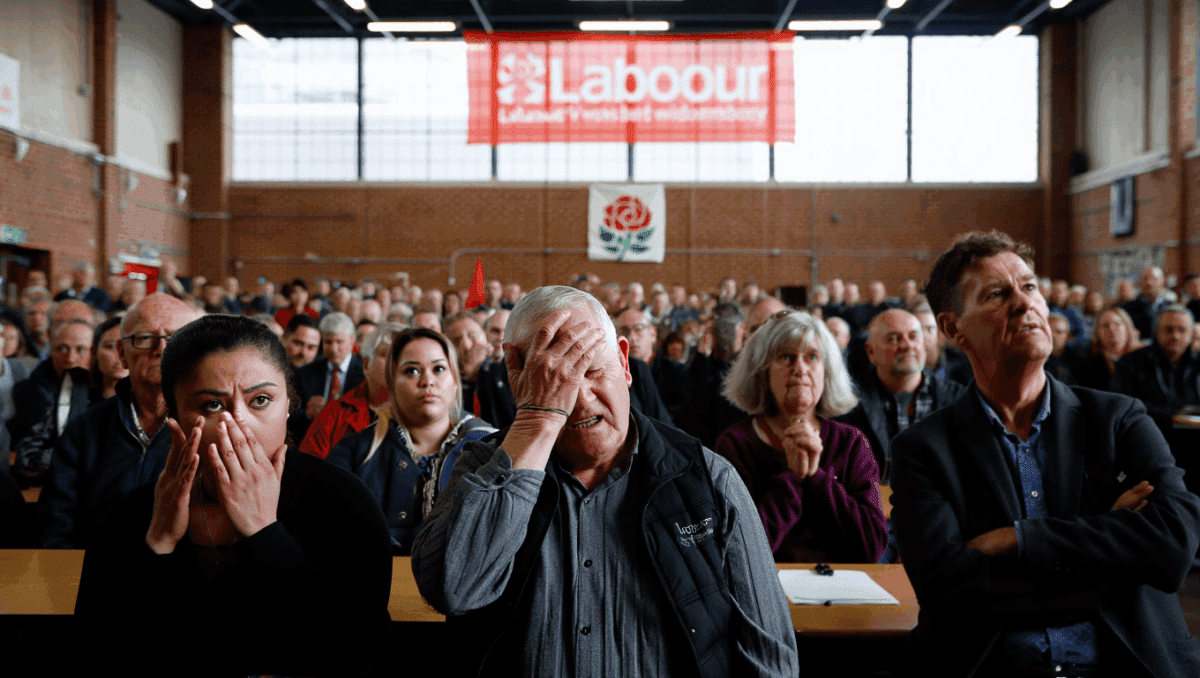
On 8 May 2026, the gulf between the Labour Party and large swathes of the English working class feels wider than many pundits anticipated. For decades Labour was synonymous with miners, factory towns and trade union halls; today, neighborhoods that once produced Labour lifers vote Conservative, Reform UK, or stay at home — and the reasons go beyond simple policy disagreements.
This piece explores why that shift happened, how cultural and economic forces reinforced it, and what electoral and messaging pitfalls keep Labour from reconnecting with parts of England it once claimed as its base. The analysis blends history, on-the-ground sentiment, and strategic choices that shape voter behavior.
How history and economic change rewired political loyalties
The roots of the current estrangement run deep. From the 1980s onward, deindustrialization hollowed out communities that had been Labour heartlands. Closed steelworks, vanished coal mines and shuttered factories left not only unemployment but a sense of betrayed identity.
The Growing Demand for Data-Driven Decision Making in Silicon Valley
He quit, ran out of money, and begged to come back — here’s how his boss reacted
- Economic dislocation: Job loss and stagnating local economies created long-term resentment toward institutions perceived as distant.
- Geographic divergence: As London and other global cities boomed, many former Labour towns faced neglect, widening the cultural gap between metropolitan elites and provincial residents.
- Generational shifts: Younger voters in some areas moved to cities for work, changing the demographic mix of those left behind.
Culture, values and the identity mismatch
For many English working-class voters, politics is as much about identity as economics. Issues such as immigration, national sovereignty and social change have become identity markers. Labour’s increasing comfort with socially liberal positions and cosmopolitan messaging has sometimes clashed with the values of socially conservative working-class communities.
Brexit as a turning point
The 2016 referendum was a crystallizing moment. Many older, white working-class voters who felt ignored by mainstream politicians embraced Leave as an assertion of control. Labour’s ambivalent stance then — and the later, cautious approach to immigration and national identity — reinforced feelings that the party no longer represented their outlook.
Perceived elitism and the metropolitan brand problem
Labour’s modern image — centred on policy wonks, inner-city progressive campaigns and media-savvy leaders — can read as elitist in former industrial towns. This is not merely surface-level branding; it affects trust and authenticity.
- Language and tone: Messaging that emphasizes “diversity,” “inclusion” or technocratic solutions sometimes fails to address immediate worries like job security and local services.
- Representative gap: A shortage of visible, locally rooted Labour figures in some regions amplifies the sense that the party’s leadership is out of touch.
Economic grievances: costs, homes and insecure work
Economic pain remains an electoral driver. While Labour often frames its agenda around redistribution and public investment, voters judge credibility by local experiences: can the party fix the local hospital, keep the library open, or secure stable jobs?
Everyday economics matter most
People worry about pay, mortgage or rent, energy bills, and the prospect of their children leaving town to find work. Policies perceived as abstract — green transitions, complicated welfare reform, or regulatory tinkering — struggle to compete with immediate household concerns.
The communication gap: messaging that misses the mark
Political persuasion requires not just good policy but persuasion that resonates. Across many working-class communities, Labour’s messaging has stumbled in three ways:
- Overly technical language: Policy detail without human stories fails to connect.
- Mixed signals on law and order and immigration: Ambiguity leaves voters suspicious that the party won’t deliver on concerns important to them.
- Inconsistent local narratives: National communications often bypass local voices that can vouch for Labour’s commitments.
Media ecosystems, social networks and the role of rival narratives
Information flows matter. Local newspapers have declined, while social media and partisan broadcasters fill the gap — often reinforcing distrust of mainstream parties. Opponents exploit anecdotes of “elite bias” and latch onto policy missteps to paint Labour as disconnected.
- Local influencers and community leaders can amplify or dampen national messages.
- Rapid circulation of viral moments — speeches, interviews, or misstatements — shape impressions far more than detailed policy papers.
Trade unions, grassroots organization and missed opportunities
Unions historically anchored Labour in working-class life. That relationship has weakened in many areas, leaving a gap in community organizing and trust-building.
Where Labour still connects
There are places where energetic grassroots campaigns, strong union presence, and local candidates with deep ties keep Labour competitive. These successes show that the disconnect is not inevitable — it can be reversed with sustained local engagement.
Practical steps to rebuild trust with working-class voters
Reconnection requires more than slogans. Concrete actions that could shift perceptions include:
- Local investment promises tied to accountable delivery plans for towns and postindustrial regions.
- Clear, direct messaging on issues like immigration, crime and housing that addresses fears without pandering.
- Recruitment of local leaders: Elevating candidates rooted in their communities who can translate national policy into local impact.
- Revitalized union partnerships that focus on workplace issues and community services rather than internal party fights.
- Communication reform: Simple narratives and human stories showing how policies change everyday lives.
Why change is politically urgent
For Labour, numerical gains in cities won’t compensate for losses across wide swaths of England if the party hopes to win national majorities. The politics of the next election cycle will likely turn on whether Labour can rebuild trust among working-class voters by aligning policy, message and organization in a way that feels authentic on the ground.
Signals worth watching
Pay attention to candidate selection in former heartlands, the tone of local campaigns, and whether national leaders prioritize visits and investments in neglected towns. These actions — more than rhetorical shifts — will determine whether Labour narrows the gap or cedes more territory to rivals who have successfully framed themselves as defenders of the working-class identity.
You might also like:
- Reform party now undisputed choice of the working class
- Labour safe seats: no constituency is guaranteed
- UK Labour Party risks final nail in its coffin after latest setback
- Angela Rayner is unlikely to win back working-class voters
- Globalists accused of failing Britain’s economy and political system

Robert Johnson is a dedicated columnist focusing on political and social debates. With twelve years in editorial writing, he provides nuanced, well‑argued perspectives. His commentaries invite you to form your own views and engage in critical issues.


Man, the Labour partys like that band you used to jam to, but now theyve changed style. Working-class folks feel left out. Its like a breakup, yknow? Was Brexit the final chorus in this sad song?
Mate, the Labour partys gotta reconnect with the working-class, innit? I mean, theyve lost touch. Its like watching a soap opera unfold, except its real life, with a dash of political drama and a pinch of confusion.
Oh mate, you hit the nail on the head there! Labours like a lost puppy tryna find its way home, innit? Its a proper mess, feels like a political telenovela gone wrong. They need a wake-up call, aye? Like, get back to basics and remember who theyre fightin for!
You know, those Labour folks seem to have lost the plot with the working-class lot. Cant blame em for switchin sides. Gotta wonder if theyll ever find their way back to the heart of the people.
Mate, its like watching a bad soap opera unfold. The Labour party disconnects from the very folks they should represent. Time for a script rewrite or a new cast altogether?
Oi, mate, its like the Labour partys become a fancy cocktail party no one invited the working-class to. Used to be the voice of the people, now its like theyre speaking a whole different language. What happened to good ol representation, eh?
I remember when the Labour Party was like the cool kid in school, yknow? Now its like they lost their mojo or something. English working-class folks giving them the cold shoulder, wonder if they can bounce back.
I still remember Grandpas stories about the Labour party. Now, it’s like they lost their groove with the working class. What happened to that connection? Feels like they need a reality check, mate.
Mate, Labours lost the plot with the working class, innit? Theyre like a posh uncle at a council estate party. Time to grab a pint, get real, and stop the fancy talk. Bloody elites, cant relate to the common folk!
You know what grinds my gears? The Labour party losing touch with the English working-class. Its like watching a breakup you saw coming from a mile away. How did it all go so wrong?
Mate, Labours lost its touch with the grunts, innit? Back in the day, they were the voice of the working-class, but now theyre like a posh uncle at a council estate party – just dont vibe, yknow?
Mate, the way the Labour Partys been sliding with the English working-class? Its like watching a slow-motion car crash. Wonder if theyll ever pull their socks up or if its all downhill from here.
Man, Labour lost touch with the working class. Used to be the voice of the people, now its all posh talk. Need a whole revamp to win back trust. Time for a reality check, folks!
Tell me about it, mate! Labours gone from representing the common bloke to sounding like theyre sipping tea with the Queen. They need to get real and connect with the working class again if they want any shot at winning back trust. Its time for them to ditch the fancy talk and start speaking the language of the people. A reality check is long overdue, innit?