
Show summary Hide summary
- How punk’s rebel roots aligned with the left
- When progressive norms became the new mainstream culture
- “Soft” power and the modern mechanics of censorship
- When punk goes right: figures, movements, and provocation
- Why saying “offensive” doesn’t equal being right
- How the cultural tug-of-war shapes public expression today
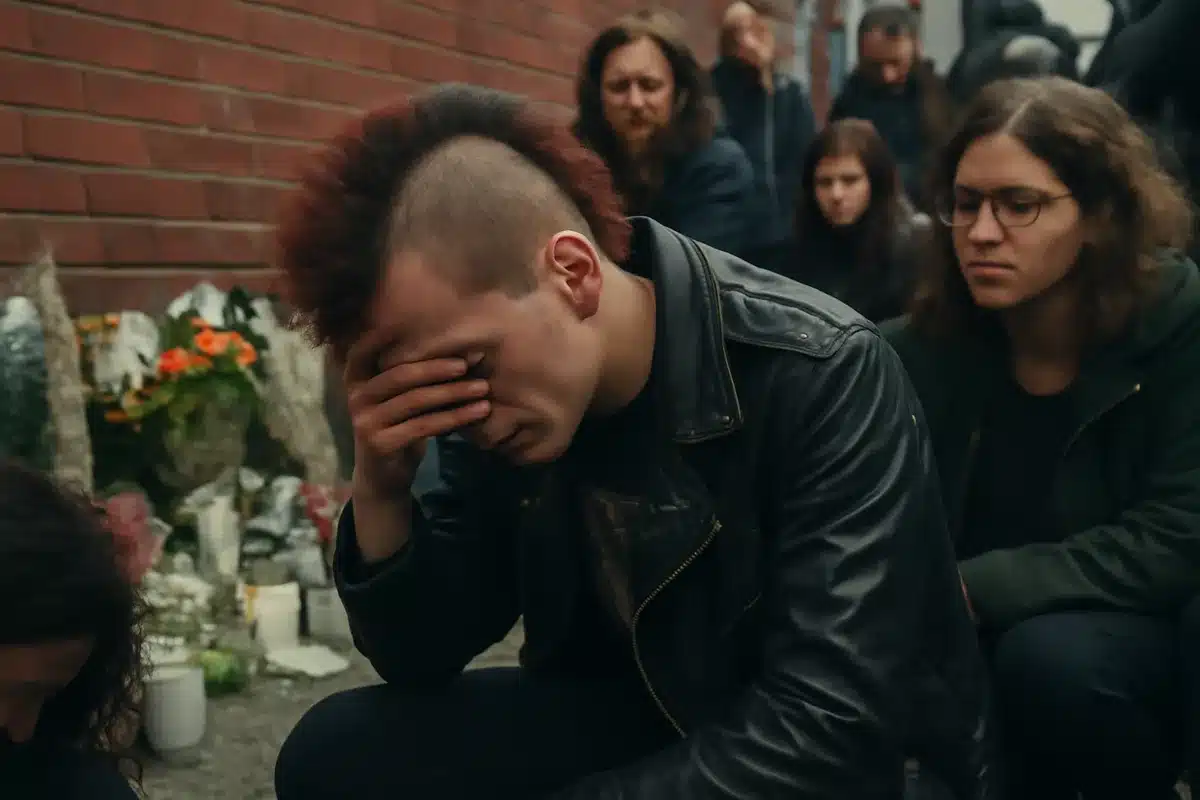
Punk started as a howl: a noisy, brash refusal to play by polite rules, a lifestyle that made conventional people uncomfortable. It wasn’t only guitars and safety pins — it was a deliberate irritation aimed at whatever the adults in charge held sacred.
Today that instinct to irritate has moved around the political spectrum. What once belonged to those on the left as a form of resistance now registers differently when progressive ideas sit at the center of institutions. The result: anti-establishment anger finding new targets and new voices.
The Growing Demand for Data-Driven Decision Making in Silicon Valley
He quit, ran out of money, and begged to come back — here’s how his boss reacted
How punk’s rebel roots aligned with the left
In its early decades, punk naturally gravitated toward left-wing causes because the dominant cultural guardians were conservative. For many, rebellion meant attacking the moral strictures enforced by mainstream institutions. In the United States and Britain, censorship historically came from conservative sources — think of the Hays Code that policed Hollywood for decades or campaigners who pushed to police television and public morality. That environment made the left the obvious ally for anyone wanting fewer limits on speech and art.
On the scene, bands and performers turned outrage into performance. The Sex Pistols set out to dismantle national myths, and groups like The Clash channeled street anger into explicit anti-authoritarian politics. Punk rarely promised a coherent policy platform; its message was usually a single, emphatic act of refusal. That refusal often relied on provocation: to shock was to puncture decorum and make people rethink what was untouchable.
When progressive norms became the new mainstream culture
Over recent decades, many institutions shifted leftward: universities, arts funding bodies, major media outlets, and sections of the entertainment industry now often start from progressive assumptions. Language and priorities changed to match. Rather than labeling speech obscene or indecent, the dominant vocabulary now highlights words like harmful, unsafe, or problematic. Debates moved from censorship-by-law to censorship-by-social-and-professional-pressure.
- Academia, with tenure and curricula, began enforcing norms around identity and language.
- Media organizations adopted editorial and social codes that prioritize inclusion and safety.
- Arts funders and charities set standards for what voices and projects receive support.
- Human resources systems and social-media dynamics created new mechanisms for reputational punishment.
When a worldview gains institutional backing, it stops being outsider dissent and starts looking like establishment orthodoxy. For anyone who prizes punk’s anti-authoritarian impulse, a leftward cultural establishment poses a puzzle: how do you remain a rebel when yesterday’s outriders now sign the grant checks?
“Soft” power and the modern mechanics of censorship
The modern toolbox of cultural control is quieter but no less effective: professional consequences, peer pressure, cancelled events, and networked shaming can push people to self-censor. This is not identical to 1950s-style film codes, but it carries the same impulse — a group deciding what speech is permissible and enforcing compliance.
The veneer is more civil, and the actors wear suits rather than moral crusader hair shirts — but the effect can be similar: certain ideas are curtailed, and dissenters pay social or career costs. That resemblance explains why some who once leaned left now feel they must revolt against progressive gatekeeping.
When punk goes right: figures, movements, and provocation
The result of the institutional shift has been a visible migration of punk’s outrage toward anti-progressive causes. A handful of notable examples illustrate that pattern:
- John Lydon (Johnny Rotten) — Once frontman for the Sex Pistols, Lydon has in recent years embraced contrarian positions that often rile progressive audiences.
- Michale Graves — Former vocalist for the Misfits who moved into conservative political circles and publicly aligned with far-right actors, demonstrating how punk identities can be remade.
- Gavin McInnes — Co-founder of a gritty, punk-rooted magazine that later mainstreamed, then founder of the Proud Boys, McInnes translated punk provocation into organized, far-right activism.
These are not endorsements of their ideas; rather, they illustrate how punk’s taste for taboo and confrontation can be repurposed in different political directions. That the same shock tactics can serve both left and right underlines punk’s core attribute: a commitment to offending settled sensibilities, whoever holds them.
Why saying “offensive” doesn’t equal being right
Being offensive is not a political credential. Punk-era nonsense and cruelty existed when the movement tilted left, and the same holds true now that some of its heirs speak from the right. Provocation does not make an argument; it forces attention. That attention can be used for critical insight or for reactionary showmanship.
Labeling yourself a rebel doesn’t automatically confer moral or intellectual superiority. Counterculture becomes culture once it accumulates resources, positions, and the ability to enforce norms. When that happens, defending those norms is establishment behavior, not rebellion.
How the cultural tug-of-war shapes public expression today
Because progressive norms now occupy so much institutional space, expressing populist or socially conservative views can produce the kind of gasps punk used to crave. That dynamic helps explain why new anti-progressive subcultures have energy: they are reacting to an environment where certain ideas are policed by social consequences rather than law.
There is a practical cost to that reaction. It takes courage to be unpopular, and some of the contemporary provocateurs are willing to accept social ostracism in order to push back. In doing so they reclaim punk’s gesture — the deliberate refusal to conform — but they also bring their own politics and histories into the field, with all the conflicts and contradictions that entails.
At its most authentic, punk is simply the willingness to defy expectations — whoever is doing the expecting.
You might also like:
- Olivia Rodrigo outrage over babydoll dress wasn’t really about the outfit
- Progressives have become the new reactionaries: why the movement now defends the status quo
- Vibe shift: backlash against wokeness, greenism and technocracy
- John Cleese adopting based views?
- Middle-class left’s zombie socialism explained

Robert Johnson is a dedicated columnist focusing on political and social debates. With twelve years in editorial writing, he provides nuanced, well‑argued perspectives. His commentaries invite you to form your own views and engage in critical issues.


Dang, punks soul just got a little quieter. Remember slammin to those rebel tunes, feelin the raw energy? The scene loses a piece of its heart. Lets crank up the speakers and honor the legend!
Man, punks losing another legend. Remember when their rebel spirit and left-wing stance shook things up? Now its all about conforming to progressive norms. Feels like the edge is gone. Will punk ever go back to its roots?
Yo, cant believe punk legend passed. Their rebel spirit fueled the scene, man. Always fighting the system. RIP, your legacy lives on. Punks not dead, just getting louder.
Man, punk aint just music, its a whole vibe. When one of our own passes, its like losing a piece of that raw rebel spirit. Lets keep the fire alive, keep raging against the machine!
Oh man, I remember blasting punk in my room, feeling like a rebel. Sad to hear about the loss. Punk and left-wing vibes, they were like peanut butter and jelly, inseparable. Rest in punk power.
Man, punks rebel spirit aint dead, its just got a new address. Remember when it was all about fighting the power, not being the power? Rest in punk, comrade. #AnarchyInOurHearts
Man, I hear ya loud and clear! Back in the day, punk was the ultimate rebel yell, stickin it to the man and all that jazz. But now? Its like the rebels traded their leather jackets for suits and ties. Kinda makes you wonder where all that fire went, huh? Rest in punk, dude.
Man, the punk scene lost a real rebel. Their music was like a punch in the gut, woke you up, ya know? Now its all about soft vibes and censoring… What happened to the raw, in-your-face spirit?
Man, losing a punk icon feels like losing a piece of your own rebellion. Their music was the soundtrack to my late-night rants and protests. The left-wing spirit they embodied will live on through the hearts of fans.
Man, punk aint just music, its a whole attitude, yknow? This loss hits hard for those who felt the rebel spirit. The scene wont be the same without their voice.
Man, that punk scene had some real firebrands, huh? Sad to see one of the left-wing warriors go. They were the rebels with a cause, shaking things up. Hope their legacy lights a spark in the new blood.
Man, I remember blasting those punk tunes with my buddies back in the day. Sad to hear about this one. Punk and left-wing vibes are like peanut butter and jelly, yknow? Gotta pay respects.
Dang, those punk tunes hit different, huh? Its like theyre the rebellious soul of the left-wing movement. Sad news indeed. Gotta crank up the volume and pay our respects to the punk legends.
Ah, man, I remember blasting punk tunes with my old crew. That rebellious spirit, you know? Sad to hear about the loss. Punk and the left, like PB&J. Cant imagine a world without it.
Man, I totally get what you mean! Punk music has that raw energy that just hits different, right? Its like the soundtrack to our rebellion. Losing it would be like losing a piece of our soul. Guess we gotta keep the punk spirit alive and kicking, no matter what!