
Show summary Hide summary
- What happened at Villa Park and why it matters for Jewish safety
- How past violence shaped the decision — and why the logic is dangerous
- The political fallout: who applauded and who pushed back
- Practical alternatives authorities could pursue
- What the decision signals about societal priorities and anti-Semitism
- Voices behind the article
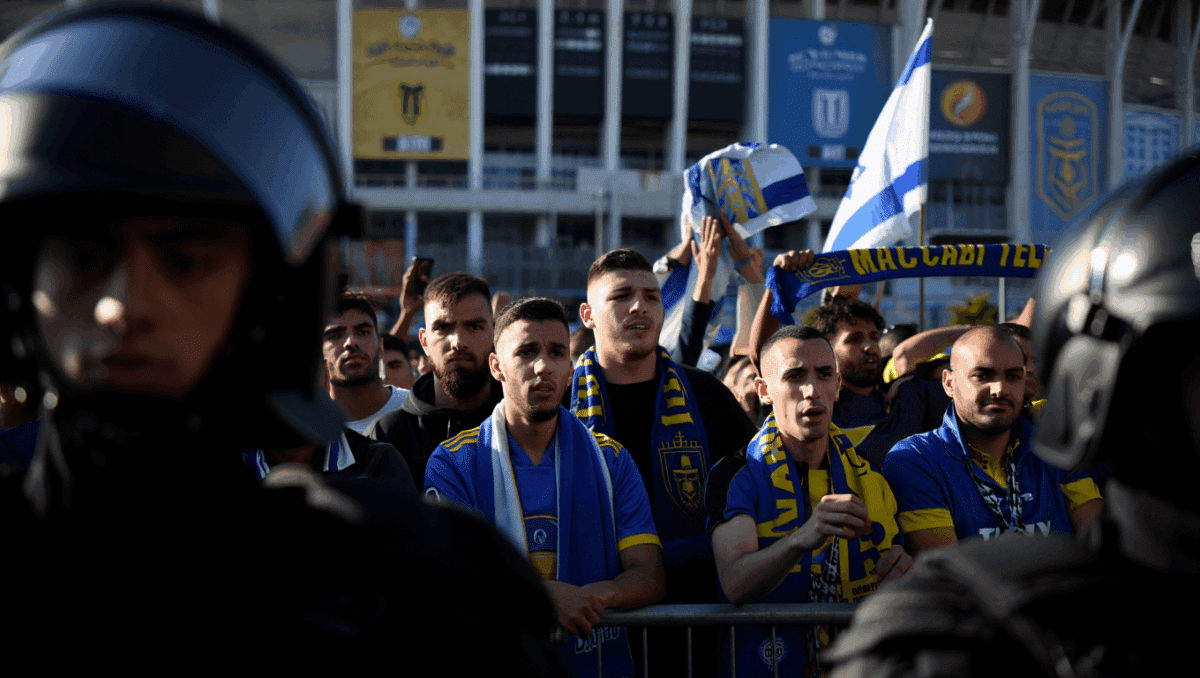
Britain has quietly reached a new, troubling milestone: authorities have authorized a decision that effectively says visiting Jews cannot be guaranteed safety on our streets. The spectacle around the ban on Maccabi Tel Aviv supporters for the Europa League tie at Aston Villa exposes more than a single event — it reveals how fear and intolerance are now shaping public policy and civic life.
This episode is less about football than about who a country chooses to protect. When officials opt to exclude a group from attending an event because of the likely hostility they would face, they send a message about where responsibility and blame sit in our society.
What happened at Villa Park and why it matters for Jewish safety
The Growing Demand for Data-Driven Decision Making in Silicon Valley
He quit, ran out of money, and begged to come back — here’s how his boss reacted
The match between Aston Villa and Maccabi Tel Aviv, scheduled for November 6 at Villa Park in Birmingham, was stripped of travelling supporters after the local Safety Advisory Group advised against admitting away fans. West Midlands Police backed the decision, citing concerns about potential protests and their ability to respond. In practice, that meant Israeli fans were told not to travel — or, put bluntly, kept out for their own protection.
This is not merely an operational choice; it is a public admission that parts of Britain are not secure for Jews who are visiting from Israel. The ban followed violent attacks on Maccabi fans in Amsterdam the previous November, where groups set out to assault supporters, using explicitly anti-Jewish language and organizing in messaging channels. Those images and reports clearly informed the risk assessment — but the response chosen was exclusion rather than confrontation of the attackers.
How past violence shaped the decision — and why the logic is dangerous
Officials point to real and frightening precedents. Fans of Maccabi who travelled to European fixtures have been targeted by mobs in other cities, sometimes described as coordinated hunts by attackers who used ethnic slurs and violent intent. Such incidents legitimately raise concerns about crowd safety and policing capacity.
But the chain of reasoning that follows — if potential attackers might arrive, we will prevent the potential victims from attending — is morally and politically fraught. It reverses the responsibility for public safety onto those who would be harmed rather than those who threaten harm. That shift can harden into policy and practice unless challenged.
Why excluding visitors encourages further abuses
- It normalizes the idea that certain groups should stay away from public spaces for their own safety.
- It rewards aggressive behavior by implicitly conceding that intimidation works.
- It undermines trust in law enforcement to protect everyone equally.
When a state tolerates the removal of rights from a minority to appease a mob, it is making a dangerous bargain. The logic is circular: if you ban a group to prevent disorder, you risk turning the ban into precedent, inviting similar demands whenever a group is threatened or unpopular.
The political fallout: who applauded and who pushed back
The decision did not occur in a vacuum. Some local politicians and activists who have criticized Israel vocally welcomed the ban. For example, Birmingham MP Ayoub Khan publicly welcomed the move, arguing that spectator sport should be open to all but hinting at conditions. That kind of conditional support underscores a broader political frame: the rights of a particular community are being negotiated in the arena of public sentiment.
At the same time, national leaders and party figures have condemned the ban. Labour leader Keir Starmer called the decision wrong and urged policing and political action to ensure that fans can attend without fear. His words underscore a tension between rhetoric and remedy — condemnation of anti-Semitism is common in public statements, but reversing a policy that erects barriers to attendance requires immediate operational commitment.
Practical alternatives authorities could pursue
Rather than excluding visitors, there are several steps clubs, governing bodies, and police could consider to protect supporters and uphold civil rights:
- Postpone or relocate fixtures where credible intelligence suggests unavoidable mass disorder.
- Deploy sufficiently resourced policing and stewarding to separate groups and deter troublemakers.
- Work with UEFA, clubs, and governments to vet and sanction organized groups that incite violence.
- Establish clear protocols that prioritize the protection of vulnerable visitors rather than their exclusion.
- Use targeted legal action and intelligence operations against individuals or networks spreading threats online and offline.
Canceling a match entirely may sometimes be the only safe option; banning a particular nationality or religion from attending is a far worse precedent. The former treats danger as a temporary operational reality. The latter treats an entire group as a persistent problem to be managed by exclusion.
What the decision signals about societal priorities and anti-Semitism
How a country treats its Jewish citizens and visitors has long been a measure of its civic health. Historically, laws or customs that push Jews to the margins — social, physical, or legal — have been an indicator of deeper problems. The Villa Park ban invites a hard question: are we now inclined to value the peace of those who would aggressively exclude Jews more than the safety and freedom of Jews themselves?
The term Israelophobia has been used to describe a mixture of anti-Israel sentiment and, at times, outright hostility to Jewish people. When criticism of a state bleeds into dehumanization or violent intent toward people associated with that state, it becomes indistinguishable from anti-Semitism. Public policy must resist that slippage.
Signs to watch in the weeks ahead
- Whether national and local authorities change the decision or put in place credible protective measures for future matches.
- How football governing bodies and clubs respond to calls for stronger safeguards.
- Whether incidents of intimidation are met with prosecution and public condemnation targeting perpetrators, not victims.
The risk is that in easing short-term tensions we codify a pattern that erodes civil equality over time. That erosion is not merely symbolic; it reshapes who feels free to travel, worship, and participate in public life.
Voices behind the article
Brendan O’Neill writes on politics and culture and hosts a podcast. His recent work examines the social and political fallout of the week of 7 October and related tensions. He publishes regularly and is active on social platforms where he discusses civil liberties, identity politics, and contemporary controversies.
You might also like:
- Maccabi Tel Aviv ban justified by police fake claims
- Maccabi Tel Aviv scandal exposes police corruption in Israel
- Starmer and Corbyn accused of crocodile tears after controversy
- Israel derangement syndrome surges in Ireland, sparking protests and political debate
- British Jews under siege as antisemitism and attacks rise in UK

Robert Johnson is a dedicated columnist focusing on political and social debates. With twelve years in editorial writing, he provides nuanced, well‑argued perspectives. His commentaries invite you to form your own views and engage in critical issues.


Man, banning fans for waving a flag? Whats next, outlawing team colors? This seems like a wild overreaction. Let the fans support their team, for crying out loud!
Man, footballs all about passion, right? But banning fans based on nationality? Thats just crossing the line. Lets keep the game about sportsmanship, not politics. Peace and love, folks.
I remember back in 98, Villa Park was buzzing with Maccabi Tel Aviv fans. Now theyre banned? Feels like a low blow. Safety matters, but excluding visitors aint the way. Whats your take?
Man, that ban does feel like a kick in the gut, innit? Safetys key, but shutting out fans? Harsh move. Wonder if theres a better way to keep the vibe and still keep things safe, yknow? Whats your two cents on this mess?
I mean, seriously, banning away fans to protect Jewish safety? Whats next, segregating fans based on nationality? Its 2022, not 1922. Lets promote unity, not division. #UnityNotDivision
Wait, hold up a sec! Banning away fans for safety reasons? Thats a curveball. I get the concern, but talk about extreme measures. Its like were time-traveling back to the 1920s or something. Cant we find a middle ground? Lets keep the peace without drawing new lines, right?
Man, football should unite, not divide. Maccabi Tel Aviv fans banning Arab teams? Thats just not football, its discrimination. Lets kick racism out of the beautiful game for good.
Man, that Maccabi Tel Aviv fans ban? Total madness. Aint it bout time we all learned to respect each other, regardless of team colors or beliefs? Lets kick discrimination out the stadium, folks.
Man, banning fans based on religion? Thats messed up. Reminds me of the time my school tried to pull that on me for wearing a cap. Discrimination is discrimination, plain and simple.
Man, Maccabi Tel Aviv fans on thin ice. Banning others just breeds more hate. Lets break the cycle, folks. Spread love, not bans. Peace out.
Man, banning Maccabi Tel Aviv fans is a whole new level, like, whats even happening? Safetys crucial, but excluding visitors aint the way, right? This decisions stirring up some intense debate, sparking more than just a match, I tell ya.
Man, banning fans is like banning the noise at a concert, innit? These Tel Aviv supporters shouldnt be punished for the actions of a few. Slippery slope, that is. Hope sanity prevails.
Man, its like trying to silence the beat at a drum circle, right? These Tel Aviv fans getting the boot for a few bad apples… thats straight-up harsh. Hope the powers-that-be come to their senses soon.
Man, banning fans for waving a flag? Thats some next-level pettiness. Let people support their team without all this drama. Let the game be about soccer, not politics.
Dude, seriously, waving a flag aint hurting nobody! Let the fans do their thing, man. Its all about the love for the game, not all this extra drama. Let the pitch be the stage, not some political battleground.
Man, banning fans for being Jewish? Thats messed up. We should be uniting against hate, not excluding folks based on their beliefs. Hope Maccabi Tel Aviv sorts this out ASAP.
Man, banning fans for waving flags? Whats next, banning cheers? Let people support their team, dang. Its football, not a political summit. Let the fans be fans.
Man, banning fans for a flag? Thats straight-up overkill. We all root for our teams, but come on, wheres the line? Let the game unite, not divide. Peace, love, and football, people.
Man, banning Maccabi Tel Aviv fans is a slippery slope. One minute its about safety, the next its about exclusion. Wheres the line between security and discrimination? Its a tough call.
Man, Maccabi Tel Aviv fans banning their rivals is a low blow. Footballs about passion, not exclusion. Hope they rethink this move before it backfires big time.
Seriously, banning rivals? Thats a shady move, even for the cutthroat world of football. You hit the nail on the head, mate – footballs about that raw, unfiltered passion, not drawing lines in the sand. Lets hope Maccabi Tel Aviv sees the light before this whole thing blows up in their faces. Passion should unite, not divide, right?
As a skeptical critic, its absurd to ban fans based on nationality. Discrimination isnt the answer. Football should unite, not divide. Lets kick racism out of the beautiful game for good.
Man, you hit the nail on the head! Footballs about bringing folks together, not tearing em apart. Banning fans based on nationality? Cmon, thats just plain ridiculous. Lets keep the focus on the game and show racism the red card once and for all!
Man, banning fans based on nationality? Thats a whole new level of low. Hope Maccabi Tel Aviv rethinks their decision. Discrimination has no place in sports or anywhere.