
Show summary Hide summary
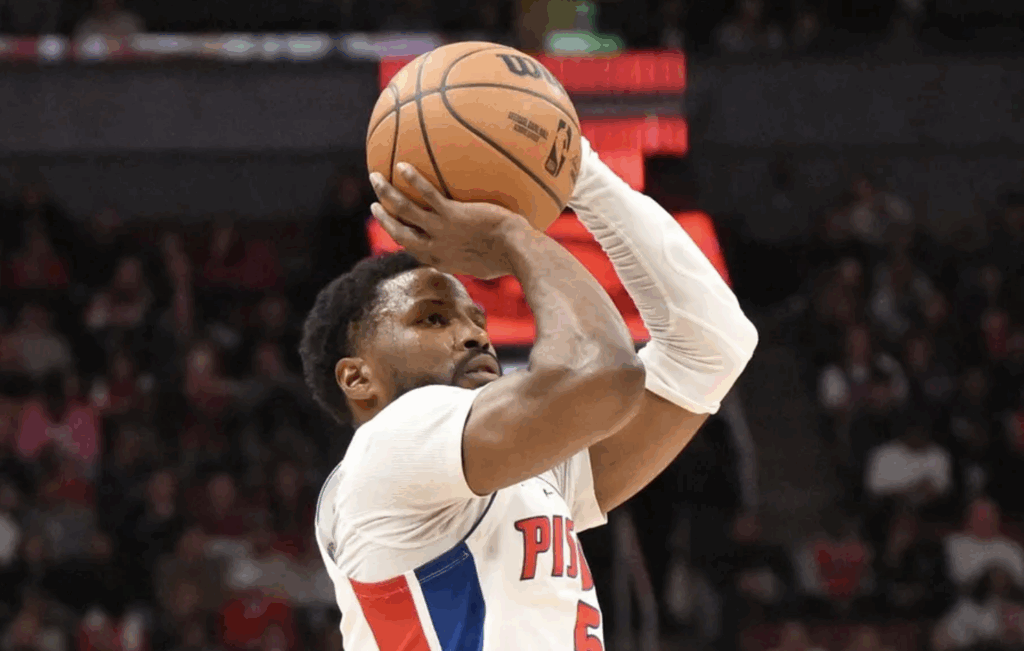
Malik Beasley enters free agency with high stakes hanging over his next contract. Fresh off his best season — averaging 16 points per game and knocking down better than 41 percent from beyond the arc — the veteran guard was poised for a large deal. Instead, allegations that he manipulated game outcomes and reports of gambling-related debts have complicated the market for his services.
Despite an investigation that hasn’t reached a formal resolution, the signs point to Beasley being eligible to play this coming season. That uncertainty, however, means teams may be reluctant to offer long-term, high-value contracts. Several franchises are reportedly checking in with his camp, weighing roster fit against legal and reputational risk.
The Growing Demand for Data-Driven Decision Making in Silicon Valley
He quit, ran out of money, and begged to come back — here’s how his boss reacted
Current status: investigation, playing availability, and contract implications
Beasley hasn’t been officially cleared, and that lingering cloud is the biggest factor shaping his free-agent value. Front offices are balancing the potential upside — a proven three-point threat who can space the floor — against the downside of a player under review.
-
- Availability: Sources suggest he could be eligible to play if the league doesn’t impose sanctions, but nothing is guaranteed until the investigation concludes.
-
- Contract leverage: Teams are expected to push for short-term, team-friendly deals because of the uncertainty.
-
- Market behavior: Contenders with limited cap flexibility may prefer a low-risk signing, while cap-rich teams might balk at committing big money.
Teams in contact: who’s calling Beasley’s agent and why it matters
Four clubs have reportedly reached out about Beasley: the Cleveland Cavaliers, New York Knicks, Detroit Pistons, and Minnesota Timberwolves. Each pitch reflects differing roster needs, financial realities, and tolerance for uncertainty.
Cleveland Cavaliers — the best fit on paper
The Cavs may represent the cleanest fit from both a playing-style and roster perspective. Cleveland still carries an open roster spot, and its spacing needs have become more pronounced with injuries. Owner-level payroll decisions also complicate the picture — the team sits deep into the second apron, meaning large new contracts would trigger a significant luxury tax burden.
-
- Why Cleveland: Shooting depth and a vacant roster slot align with Beasley’s strengths.
-
- Financial reality: Because the franchise is up against the second apron, any sizable addition will amplify luxury tax payments unless they offload salary elsewhere.
-
- Timing: A short-term deal would minimize tax risk while adding reliable outside shooting, especially with Max Strus sidelined for at least a month.
Detroit Pistons — a logical home with cap room
Detroit stands out as a practical landing spot. Beasley thrived in J.B. Bickerstaff’s system last season, and the Pistons still need perimeter shooting around Cade Cunningham even after adding Duncan Robinson. Detroit’s cap flexibility gives it the ability to extend a real offer.
-
- Fit with Cunningham: The Pistons’ offense would benefit from another reliable catch-and-shoot guard.
-
- Cap advantage: Detroit has sufficient payroll space to structure a deal that could be attractive to both sides.
-
- Competition level: The team can offer meaningful minutes and a clear role instead of bench depth alone.
New York Knicks — possible, but constrained
New York would be a surprising destination unless the Knicks are willing to move salary. Beasley reportedly rejects veteran minimum offers, and the Knicks are already managing payroll tightness relative to the second apron.
-
- Roster hurdle: To avoid jeopardizing their apron status, the Knicks would likely need to trade out a contract like Josh Hart’s or sign Beasley for a very modest amount.
-
- Market appeal: New York’s championship window and national exposure are draws, but financial realities may prevent a fit.
Minnesota Timberwolves — a reunion with role questions
A return to Minnesota makes sense from a chemistry standpoint. The Wolves sit roughly $8 million below the first apron, and they still need reliable spacing after Donte DiVincenzo underperformed as their primary floor spacer. Beasley could offer the veteran shooting the roster lacked last season.
-
- Why it works: Proximity to salary flexibility and a familiar system could facilitate a reunion.
-
- Competition: Minnesota will need to weigh whether to use space on Beasley or pursue other shooters who might offer more defensive versatility.
How teams might structure an offer and what to expect next
Given the uncertainty, expect short-term contracts with protective language or incentive-heavy deals. Teams that believe in Beasley’s talent but want to minimize downside risk could propose one-year deals with team options or performance bonuses tied to availability and on-court behavior.
-
- One-year, team-friendly deals are the most likely headline scenario.
-
- Teams in the Central Division—especially Cleveland and Detroit—are the leading candidates based on fit and payroll flexibility.
-
- Other suitors would need to accept the legal risk or move existing salary to create room for a bigger offer.
On-court impact: why a shooter like Beasley still matters
Shooting remains a currency in the modern NBA. A player who can reliably hit from distance changes how defenses match up and creates space for primary playmakers. For teams that view perimeter shooting as the missing piece, Beasley offers immediate value — assuming the investigation doesn’t produce a suspension or other penalties.
Availability and performance will be decisive — if Beasley clears the league’s scrutiny or faces minimal discipline, several clubs will be tempted to take a low-risk chance. If not, the market will be far more cautious and offers likely limited to minimum deals or short-term pacts.
You might also like:
- NBA free agency: where remaining players could sign before opening night
- Knicks offseason: defending champions weigh key roster moves
- Giannis Antetokounmpo trade: why Cavaliers make the most sense
- NBA playoffs: prediction markets show odds for Eastern Conference outcomes
- Cavaliers stick with core after NBA playoff failure: why the team won’t rebuild

John Davis is a sports journalist focused on the NBA, NFL, and major global championships. With seven years of live coverage, he breaks down performances and key strategies. His expertise gives you a clear view of every game and its impact.


Man, Beasleys got options! Cavs or Pistons? Pistons need that shooting touch, bro. Cavs could use his energy. Wonder where hell shine brightest. Its like picking between pizza or tacos, tough call!
Man, Beasleys got options! Cavs or Pistons? Pistons need that shooting touch, bro. Cavs could use his energy. Wonder where hell shine brightest. Its like picking between pizza or tacos, tough call!
Man, Beasleys free agency got everyone buzzing! Cavs or Pistons, where will he land? Investigations aside, hope he gets a solid contract. Cant wait to see him back on the court!
Man, Beasleys got teams lining up like its a Black Friday sale. Cavs and Pistons? Interesting choices. Hope he brings some game and stays outta trouble. Lets see where the ball drops…
Man, Beasleys got options! Cavs or Pistons? If I were him, Id go where the hypes at. Gotta chase that spotlight, yknow? Still, decisions, decisions. Whos gonna make the final cut?
I mean, Beasleys got some game, but wheres the loyalty these days? Cavs or Pistons, who knows where hell end up. Hope its not just about the money. Teams need heart, not just stats, right?