
Show summary Hide summary
- Why NBC’s NBA coverage feels fresh (and why Peacock matters)
- What Michael Jordan’s segments are actually delivering
- Reframing the “load management” argument
- How modern NBA basketball increases physical strain
- Balancing fan expectations with player health and longevity
- How conversations between eras could be more productive
NBC’s return to NBA broadcasting this season has surprised and impressed many fans. Slick production, thoughtful commentary, and a clear player-first approach have given viewers a polished alternative to the last several years of coverage — even if catching every game now often means another Peacock login.
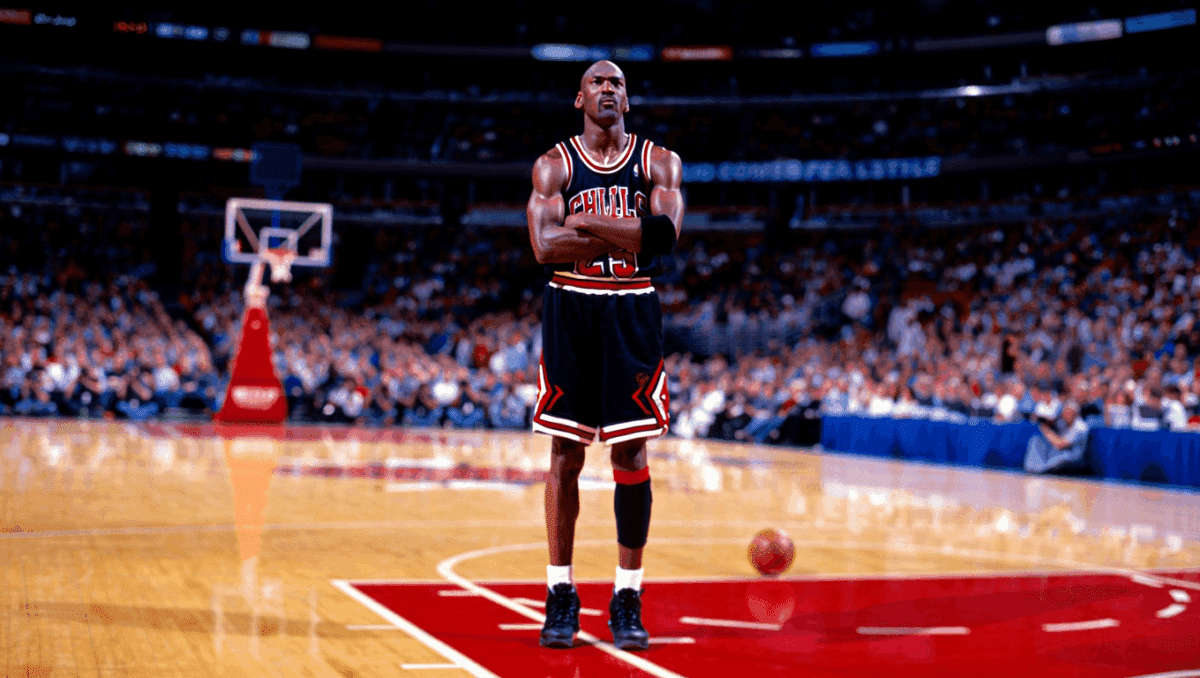
Still, one recurring element has stirred conversations: Michael Jordan’s involvement. Rather than sitting in a live studio debate, Jordan appears primarily in pre-recorded conversations with Mike Tirico, and those segments have sparked debate about how his voice fits into today’s league-wide conversation.
Why NBC’s NBA coverage feels fresh (and why Peacock matters)
The Growing Demand for Data-Driven Decision Making in Silicon Valley
He quit, ran out of money, and begged to come back — here’s how his boss reacted
The network arrived with a crisp presentation that emphasizes storytelling and insight. Analysts have tended to offer deeper context than recent broadcasts from other networks, and the camera work and graphics focus squarely on the players and what they’re doing on the floor.
- Production: cleaner visuals, tighter replays, and more player-focused storytelling.
- Commentary: a lineup of analysts who often bring detailed X-and-O explanations and historical perspective.
- Platform: the tradeoff — many marquee matchups now require Peacock access, which changes how some fans watch.
What Michael Jordan’s segments are actually delivering
When NBC announced Jordan would be part of its primetime slate, expectations ranged from a permanent desk role to occasional studio appearances. What viewers are getting instead are filmed interviews with Tirico that feel more like long-form conversations than live game analysis.
Some of these moments are compelling — Jordan rarely speaks publicly, and his perspective remains historically important — but the segments sometimes read as generational commentary rather than direct game breakdowns. The format leans heavily on nostalgia and philosophy, leaving some viewers wanting sharper, film-based critique tied to the specific matchup airing that night.
Why that tone rubs some fans the wrong way
- It can sound like broad moralizing instead of targeted analysis.
- Those expecting X-and-O insight from Jordan may be disappointed.
- The interviews often highlight differences between eras without fully engaging the demands of modern play.
Reframing the “load management” argument
One theme Jordan returns to is his view that players owe fans consistent availability, and that if an athlete can suit up they should. That perspective taps into a long tradition of valuing toughness and durability, yet it doesn’t account for how the game itself has evolved.
To critics who see load management as an excuse to skip games, the practice can feel like a betrayal of the competitive spirit. To many teams and players, however, scheduled rest is a strategic, medical-led decision designed to protect careers and maximize postseason chances.
There’s a key distinction: skipping a Tuesday night game to preserve a playoff roster is not the same as refusing to prepare or play when legitimately healthy.
How modern NBA basketball increases physical strain
Comparing eras by simply counting minutes played misses a crucial point: the game’s movement profile has changed dramatically. Today’s offenses emphasize spacing and constant motion, and defenses cover considerably more ground than in past decades.
- Off-ball movement has exploded: more cuts, off-screen navigation, and continuous repositioning.
- Speed and athleticism are higher on average, driven by modern strength and conditioning programs.
- Teams run more possessions and players cover more distance per game; on an 82-game basis, that adds up to hundreds of extra miles over a season.
The consequence is greater cumulative wear on joints, tendons, and soft tissue — which helps explain why load management has become a medical and tactical tool rather than simply a convenience.
Small changes that have a big effect
- Advanced training: players lift heavier, move faster, and train year-round with specialized programs.
- Schematic complexity: modern schemes force constant off-ball reactions and sprint-recover cycles.
- Calendar density: back-to-backs, travel, and compressed schedules increase fatigue across a season.
Balancing fan expectations with player health and longevity
There’s no denying fans dislike seeing stars sit out unexpectedly. Live attendance and TV audiences expect the biggest names on the floor. Yet research and team practice increasingly show that planned rest days reduce injury risk and improve availability when it matters most.
Prioritizing long-term health over a single regular-season appearance may be unpopular in the short term, but it often produces better outcomes during the playoffs and across careers. Many organizations now coordinate load management with medical staffs, analytics teams, and coaching to protect players without sacrificing competitive integrity.
- Pros for teams: more healthy minutes in playoffs, lower chronic injury risk.
- Pros for players: extended careers, improved performance peaks, fewer long-term issues.
- Cons for fans: occasional absenteeism and the disappointment of missing star matchups.
How conversations between eras could be more productive
When former stars critique current players, the discussion resonates most when it blends lived experience with an understanding of contemporary game demands. Rather than framing rest as laziness, productive dialogue recognizes the scientific and tactical reasons teams and players choose to manage minutes.
That shift in tone would preserve the valuable lessons from legends — responsibility, preparation, and competitive fire — while also acknowledging that the modern NBA asks something different of athletes than it did decades ago.
You might also like:
- NBA schedule: simple fix preserves revenue
- Los Angeles Dodgers load management playoff rotation could reshape baseball’s future
- NBA tanking problem explained: why losing is more complex than it seems
- NBA tanking worsens as more teams intentionally lose for top draft picks
- NBA All-Star Game now a gimmick, losing fan interest and competitive edge

John Davis is a sports journalist focused on the NBA, NFL, and major global championships. With seven years of live coverage, he breaks down performances and key strategies. His expertise gives you a clear view of every game and its impact.


Man, Michael Jordan needs to catch up with the times. Load management is vital in todays NBA. The games evolved, and players health matters. Cant ignore that, even if youre a legend.
Man, Jordans load management talk? Come on, MJ, its a different game now. Gotta adapt! But hey, at least hes giving us some golden nuggets in those segments. Still, cant deny that some fans aint feeling that old-school tone.
Man, Jordans stuck in the past! Load managements essential now. Players grind hard. Adapt or get left behind, MJ! Gotta keep up with the times, bro.
Man, Jordans stuck in the 90s! The games evolved, bruh. Load managements key now. Gotta protect those star players for the long haul. MJ needs a reality check, like, ASAP.
Man, Jordan needs to chill with that old-school load management talk. Its a new NBA now, gotta keep up! Times have changed, Mike. Evolve or get left behind, ya know?
Man, Jordan stuck in the past! Load management aint just about slacking off. Players today face crazy schedules. Gotta evolve, MJ, or get left behind. Time to keep up!
Man, Jordans old-school vibe clashes with modern NBA reality. Load management is key now. Times change, Mike! Gotta adapt, even if it aint your style. Flexibility, man, thats the name of the game today.
As a die-hard hoops fan, gotta say, MJs old-school load management views as outdated as my grandpas VHS player. NBAs evolved, man. Players need rest to perform at their best, plain and simple. MJ, its time to update your playbook, buddy.
I never get why they make such a fuss about load management. MJ played every game like it was his last. But hey, different times, different bodies. Cant expect everyone to be an iron man like him, right?
Man, MJs stuck in the past! Load managements crucial now. Players grind harder, more games. Time for His Airness to catch up with the NBAs evolution. Adapt or fade, right?
Dude, sounds like youre on the ball with this whole evolution thing! Gotta give MJ some credit, though. The mans got his own era, yknow? But hey, youre right, the games different now. Wonder how His Airness would handle load management and the grind today. Its like a whole new ball game out there, man! What do you think, should he lace up and give it a shot or just chill in retirement?
Man, MJ needs to catch up! The NBAs evolved, load managements key now. Cant deny the wear and tear. Players gotta adapt, just like MJ did back in the day. Time to embrace change!
Yo, MJ, respect your legacy, bro, but cmon, the NBAs a whole new game now. Load management aint just slacking off, its about longevity and staying on top. Gotta adapt, man!
Man, Jordan needs to catch up with the NBAs evolution. Load managements key nowadays. Cant deny his greatness, but times change, Mike. Embrace the new vibe, man!
Man, MJs load management stance? Hes stuck in the past. Players today deal with a whole new level of intensity. Gotta adapt, MJ, or fade away like an old pair of Air Jordans.
Man, Jordans old-school mindset clashes with todays load management trend. Gotta adapt, MJ! Its a new ball game. Time to recognize that rest is just as crucial as hustle on the court.
Man, MJs stuck in the past, aint he? Load managements the name of the game now, old man! Gotta give those joints a break sometimes, even for His Airness. Its all about longevity in this new b-ball era. Time to switch it up, MJ!