
Show summary Hide summary
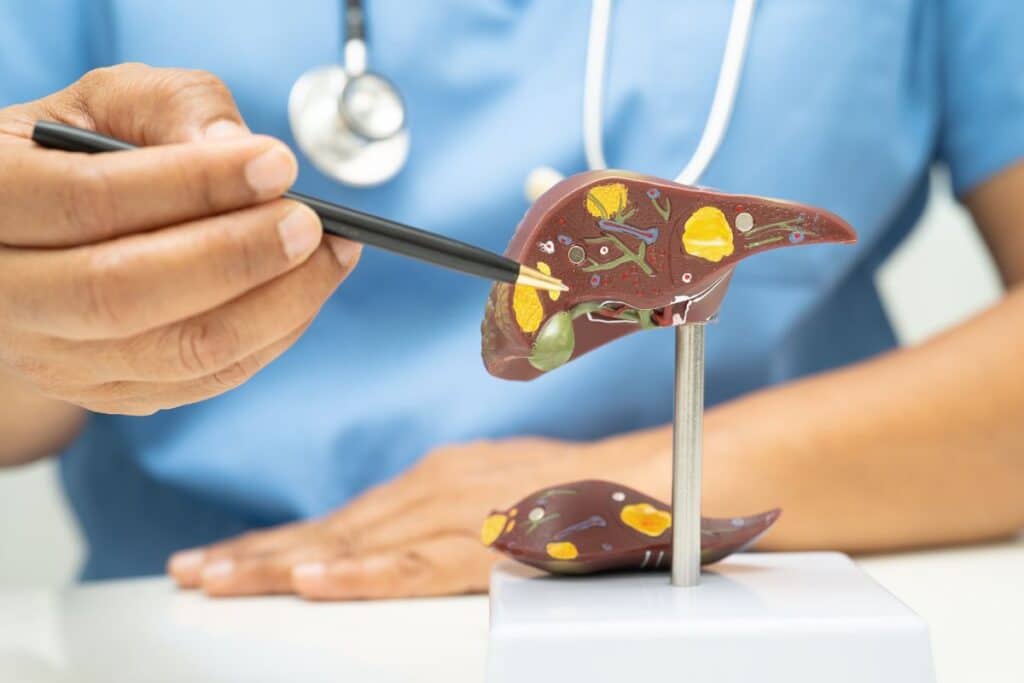
When it comes to organs, the liver is a bit like the quiet neighbor you always forget exists—until something goes wrong. Liver cirrhosis creeps up silently, and its initial signs are anything but obvious. If you’re looking for warning flags, be ready for some surprises: your liver doesn’t hurt, at least not at first. But as things evolve, the symptoms can be hard to ignore—and absolutely worth a doctor’s visit.
The Silent Organ: Why Cirrhosis Sneaks Up
Cirrhosis is a chronic disease of the liver. It doesn’t burst onto the scene with flashing lights. In its early days, often called “compensated cirrhosis,” it lurks quietly, producing only vague or very mild signs. This is when the liver is struggling but managing. As cirrhosis progresses to what doctors call the “decompensated” stage, that’s when the first real warning shots are fired—and they should never be ignored.
The Growing Demand for Data-Driven Decision Making in Silicon Valley
He quit, ran out of money, and begged to come back — here’s how his boss reacted
- Swollen belly (ascites)
- Yellow eyes and skin (jaundice)
- Vomiting (sometimes blood)
If these appear, it’s time to consult your favorite (or even just available) doctor. Let’s break down what’s happening inside and what each symptom is really telling you.
Why the Liver Gets Hard (and the Belly Gets Big)
In cirrhosis, the liver becomes significantly more fibrous and hard. This stiffening isn’t just for show—it causes a domino effect in the body. Dr. Christophe Hézode, a gastroenterologist and hepatologist, explains that this increased hardness can lead to ascites, a build-up of fluid in the abdomen. The culprit is “portal hypertension”–increased blood pressure in the portal vein that supplies the liver. When your liver turns rock-hard, blood flow is disrupted, and fluid can leak into the belly. The result? A distended abdomen that isn’t just for show.
Ascites is mostly caused by cirrhosis or cancer and is essentially an abnormal accumulation of fluid in the belly. If you feel bloated or your stomach looks like you swallowed a beach ball (without the picnic to blame), this might be the reason.
Other Early Signs That Should Set Off Alarms
- Esophageal Varices and Bleeding: Not all varicose veins show up in your legs—cirrhosis causes them in your esophagus! Because the liver is hard and impassable, blood takes the scenic route, forming varices (large veins) in the esophagus. Sometimes, these can rupture, resulting in digestive bleeding: vomiting blood or passing black stools. Not a symptom to brush off.
- Yellowing of the Skin and Eyes: As cirrhosis advances and liver cells lose their functionality, the liver stops working as it should. This can trigger jaundice (medically known as icterus). You may notice:
- Yellowish skin
- Yellowing whites of the eyes
- Dark urine
- Mental Changes: Hepatic Encephalopathy: The liver acts as a detox factory. When it can’t do its job, toxic substances build up, some of them neurotoxic (bad news for the brain). This can lead to what doctors call hepatic encephalopathy. Watch for:
- Drowsiness
- Trouble concentrating
- Confusion (odd responses or inappropriate behavior)
- In extreme cases, coma
- Fatigue: Just to keep things interesting, cirrhosis almost always brings fatigue. Unfortunately, fatigue pops up in all kinds of illnesses, so it’s not a cirrhosis exclusive.
So… Pain? Not at First—Here’s Why
Feeling pain is a major motivation to visit a doctor—but here’s the twist: the liver doesn’t actually hurt. It has no nerve endings, as Dr. Hézode points out, which means you can have major trouble brewing with zero pain. Ascites may give a sense of bloating and can sometimes cause discomfort when the skin is stretching quickly in the early stages. But if the fluid accumulates slowly or isn’t too much, real pain might never show up.
Another curveball: Cirrhosis can be completely asymptomatic when it’s not complicated and hasn’t progressed. The only sign may be a slightly firm, enlarged liver during a physical exam or detected by a Fibroscan device. Symptoms and complications only emerge as the disease worsens.
Thanks to Dr. Christophe Hézode, Medical Director of Hepatology at the International Medical Affairs of Gilead, former head of Hepatology at Henri Mondor Hospital and professor of Hepatology at Paris-Est Créteil University.
Bottom line: If your belly’s suddenly bigger, your eyes look a little golden, or your energy has tanked for no good reason—don’t just shrug it off. Your liver might not complain, but it needs your attention! Consulting a doctor at the first sign can make a real difference. Listen to your body, even if your liver stays mum.
You might also like:
- 14,000 new cases each year: the warning signs your pancreas is failing
- Coffee linked to lower risk of liver cancer and fatal cirrhosis
- Neither arthritis nor aging: these early signs warn of Parkinson’s disease
- This little-known root juice melts belly fat and boosts digestion, experts reveal why
- Why does the belly expand with age? The real reason might surprise you

David Miller is an entertainment expert with a passion for film, music, and series. With eight years in cultural criticism, he takes you behind the scenes of productions and studios. His energetic style guides you to the next big releases and trending sensations.


I remember my uncle, big belly, always with a beer. Thought it was just a dad bod thing. Wish I knew about these signs back then. Scary how the liver can hide trouble silently. Gotta watch for those yellow eyes now.
Man, the livers like a silent ninja, sneaking up on you with these stealthy signs. Yellow eyes, belly like a balloon — thats some serious business. Gotta listen to your body, folks. Dont mess with the liver!
Man, the livers like that quiet roommate who throws a wild party when youre not looking. Sneaky! Gotta watch out for those yellow eyes and belly bloat – who knew they were red flags? Thanks for the heads up!
Oh, liver cirrhosis? Reminds me of Uncle Bob, always guzzling down those beers. Yellow eyes and a belly like a balloon. Guess some signs aint as silent as they seem, eh?
Man, the liver is like a silent ninja, sneakin up on ya without a warning. No pain, yellow eyes, swollen belly? Thats some serious red flags right there. Gotta take care of that hard-workin organ!