
Show summary Hide summary
- Why “hovering” parenting became the default
- How overprotectiveness builds anxiety in children
- Where institutions reinforced cautious parenting
- Signs a child may be experiencing anxiety from overparenting
- Practical steps parents and caregivers can take to rebuild resilience
- What educators and communities can do
- Long-term consequences and the economic picture
- What researchers are still trying to understand
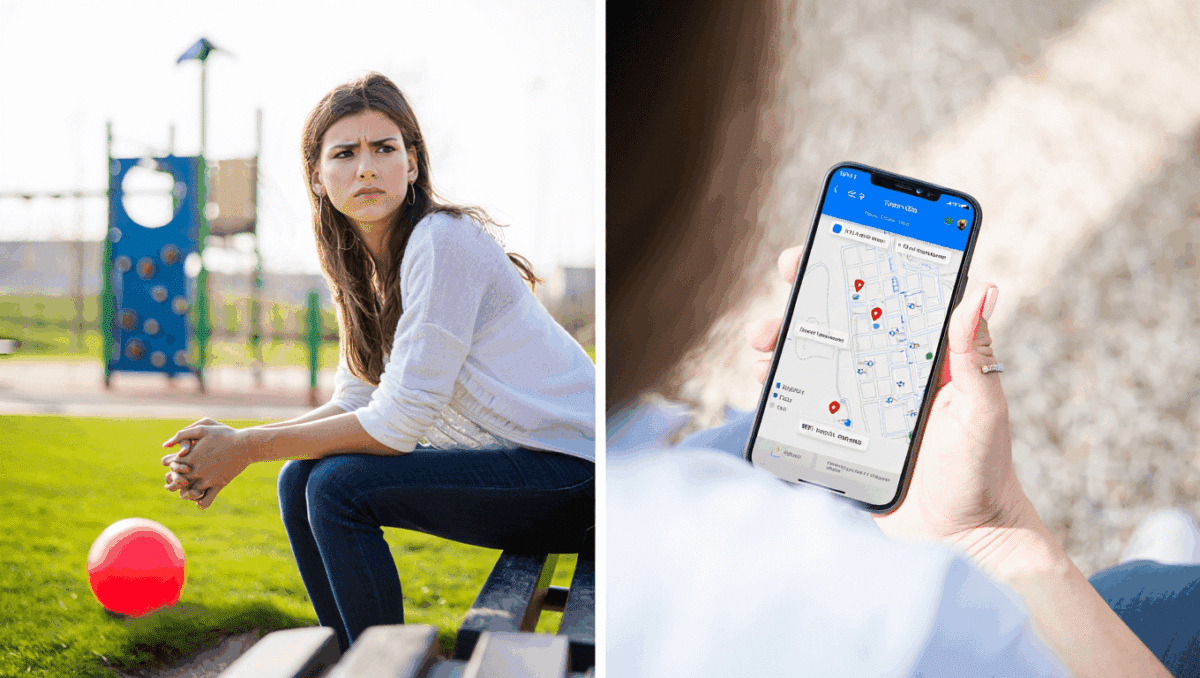
Children today are more closely watched than any previous generation: parents monitor locations with apps, intervene in playground disputes, and structure nearly every hour of free time. That constant supervision, born from good intentions and amplified by online fear cycles, is shifting how young people learn about risk, failure and independence—and mental health professionals warn it may be contributing to rising anxiety.
This piece traces the cultural and technological forces that normalized overprotective parenting, shows which everyday practices are most linked to anxious outcomes, and lays out practical strategies experts recommend to restore healthy autonomy in children without abandoning safety.
Why “hovering” parenting became the default
What began as a reasonable desire to keep kids safe has become a widespread parenting pattern. Several elements converged over recent decades to make overprotection feel like the safe choice:
The Growing Demand for Data-Driven Decision Making in Silicon Valley
He quit, ran out of money, and begged to come back — here’s how his boss reacted
- Media amplification of rare tragedies, making danger feel omnipresent.
- Legal and institutional pressure on schools and organizations to reduce liability, leading to tightened supervision policies.
- Smartphone and GPS technology that make continuous monitoring easy and socially acceptable.
- Economic shifts that increase parental stress and time scarcity, encouraging tighter control over children’s schedules and environments.
Over time, these factors normalized behaviors once seen as extreme—walking a child to school to age 12, mediating every social conflict, or removing unstructured outdoor play from daily life. *Policy changes and technology didn’t just alter logistics—they reshaped expectations about what parenting looks like.*
How overprotectiveness builds anxiety in children
Psychologists describe anxiety as a loop where avoidance reinforces fear. When parents step in to prevent a child from facing age-appropriate challenges, the child doesn’t learn coping skills or the experience that setbacks are tolerable. Instead, the brain learns that the world is threatening and that adults will manage risks for them.
Common parental practices that can unintentionally fuel anxiety include:
- Problem-solving for children instead of coaching them through solutions.
- Constant surveillance that signals mistrust in a child’s judgment.
- Over-scheduling that removes downtime for independent play and self-directed learning.
- Rescuing children from discomfort—from social embarrassment to minor injuries—rather than allowing natural consequences.
These patterns are subtle and often well-intentioned. Parents report wanting to optimize outcomes—keeping kids safe, competitive, and emotionally secure. Yet studies and clinical experience suggest a trade-off: less exposure to manageable stress reduces opportunities to build regulation, persistence and confidence.
Where institutions reinforced cautious parenting
Schools, sports leagues and community groups frequently tightened rules in response to parental concern and litigation. The result has been a decline in free play, shorter recess times, and risk-averse program design.
Practical changes that reduced childhood autonomy
- Strict supervision ratios that discourage informal play among older children.
- Policies removing equipment or games deemed “risky,” limiting motor-skill development.
- Administrative responses to parental calls for zero-tolerance that erode teachers’ ability to let children resolve conflicts.
These institutional shifts communicate a message: adults are responsible for eliminating discomfort. Children pick up that message, internalize a low-tolerance for risk, and develop habits of avoidance that can persist into adolescence and adulthood.
Signs a child may be experiencing anxiety from overparenting
Parents often discover issues only when anxiety becomes noticeable. Warning signs can include:
- Avoidance of new activities or social events.
- Repeated requests for parental reassurance or permission for routine tasks.
- Excessive worry about separation, performance or criticism.
- Reluctance to try things without adult intervention.
Not every instance of caution is pathological; children vary in temperament. The concern arises when protective behaviors are chronic and reduce opportunities for skill-building.
Practical steps parents and caregivers can take to rebuild resilience
Experts recommend shifting from a model of constant protection to one of supported independence. The goal is not to abandon safety but to allow children to face manageable challenges and learn recovery. Steps to consider:
- Allow manageable risks. Start small: let a child navigate a minor disagreement with a peer before stepping in.
- Coach, don’t rescue. Ask guiding questions—“What could you try?”—instead of providing solutions.
- Increase unstructured play. Free play fosters creativity, negotiation and problem-solving.
- Model coping with discomfort. Share when you struggle and show how you problem-solve or seek help.
- Limit perpetual monitoring. Gradually increase unsupervised time appropriate to the child’s age and local context.
- Create predictable opportunities for responsibility. Assign age-appropriate chores and let kids manage parts of their routine.
These practices work best when they are incremental. Sudden withdrawal of support can itself be stressful; steady, coached autonomy typically yields better outcomes.
What educators and communities can do
School and community leaders can counterbalance overly cautious norms by designing programs that prioritize development over pure safety. Possible actions include:
- Reinstating and protecting recess and outdoor play.
- Training staff to facilitate conflict resolution among students rather than immediately disciplining.
- Creating guided-risk curricula—activities that teach how to assess danger and take appropriate precautions.
- Communicating with parents about the long-term benefits of independence in safe, supervised ways.
When institutions articulate explicit goals about resilience and autonomy, parents are more likely to feel supported in loosening the reins.
Long-term consequences and the economic picture
As children move into adolescence and young adulthood, patterns established early influence career choices, relationship dynamics and mental health. People raised with limited opportunities for independent decision-making may show:
- Higher levels of career indecision or fear of failure.
- Lower tolerance for ambiguity in work settings.
- Increased reliance on external validation in relationships.
Employers and higher-education institutions are noticing trends in confidence and adaptability, prompting some to introduce training that simulates risk-taking and problem-solving. At the same time, mental health services face growing demand for anxiety and stress-related care among younger cohorts.
What researchers are still trying to understand
The relationship between parenting style and anxiety is complex, shaped by genetics, community context and socioeconomic factors. Ongoing research aims to pinpoint which interventions work best across diverse families and how policies—from playground design to school scheduling—affect developmental outcomes. Experts emphasize that change must be culturally sensitive and equitable: what looks like overprotection in one family may reflect real safety concerns or limited resources in another.
Psychologists and pediatric specialists continue to explore scalable programs that build parental confidence in promoting independence while respecting families’ needs and constraints.
You might also like:
- Helicopter parenting robs kids of a normal childhood and independence
- Keir Starmer’s social media ban could harm young people
- David Lammy parenting: what he gets right and wrong
- 10-year-old boy drives family car home after argument with mom
- Spanking ban would be a slap in the face to parents

Robert Johnson is a dedicated columnist focusing on political and social debates. With twelve years in editorial writing, he provides nuanced, well‑argued perspectives. His commentaries invite you to form your own views and engage in critical issues.


Man, I remember when I fell off my bike and my mom was like, Get back on, kiddo! Now its like parents wanna bubble-wrap us! Gotta let kids scrape their knees a bit, build resilience, yknow?
Man, I remember when we used to climb trees and ride bikes without a care. Now, parents smother kids with worry. No wonder young adults are anxious. Let the kids breathe!
I remember growing up, wed be out playing till the streetlights came on. Nowadays, kids barely leave the house without a chaperone. No wonder anxietys on the rise! Let them scrape their knees and learn, for crying out loud.
I swear, back in my day, we were free-range kids! Now, parents hover like choppers, and surprise – anxietys skyrocketing. Let kids scrape a knee or two, build resilience!
Back in my day, we roamed free, scraped knees and all. Nowadays, kids cant even climb a tree without adults hovering. No wonder anxietys on the rise. Let kids be kids, let em breathe!
Man, back in my day, we used to roam the neighborhood till the streetlights came on. Now? Kids cant even go to the park alone. No wonder theyre anxious. Let em breathe, parents!
Man, my mom was a helicopter 24/7. Couldnt even walk to the mailbox alone. Now Im this anxious mess. Cant shake it, yknow? Parents need to chill, let kids breathe.
I mean, cmon, let the kids breathe a lil, right? My folks were all about go play outside, dont come back til dinner! And here I am, anxiety-free… Well, mostly. But hey, gotta build some character somehow, right?
Man, totally get where youre coming from. My folks were like, Off you go, come back when the streetlights flicker on! As for the anxiety bit, aint that the truth? But hey, a lil adversity never hurt anyone, right? Builds character, or so they say.
Man, I remember when I was a kid, my folks let me roam free. Climb trees, scrape knees, learn from mistakes. Now? Kids are wrapped in bubble wrap. No wonder theyre anxious messes. Let em breathe, folks!
Man, I swear, parents these days are like helicopter pilots, always hovering over their kids. No wonder were anxious messes. Let the little ones breathe, explore, make mistakes. Thats how we learn, grow, become resilient, right?
I remember my friends mom, always hovering around us like we were fragile china. Now I get it – overprotective parents breed anxious kids. Time to let the little ones breathe, folks!
I remember back when I was a kid, we used to roam the neighborhood till the streetlights came on. Now? Parents be trackin their every move like theyre secret agents. No wonder anxietys on the rise! Let the kids breathe, jeez.
You know, my folks were always on my case, didnt even let me cross the street alone. Now, I see these hovering parents and wonder if they realize theyre setting up their kids for a lifetime of anxiety. Let em breathe, man!
Man, I feel ya! Its like theyre wrapping those kids in bubble wrap and then wondering why they cant handle life. Gotta let em scrape a knee or two to toughen up, right? Its a fine line between caring and coddling, but balance is key. Kids need space to grow and make mistakes, or theyll end up calling mommy to schedule a job interview at 30!
I remember when my mom wouldnt even let me walk to the corner store alone. Now it makes sense why Im always on edge. Cant imagine how kids today deal with it. Its like were all wrapped in bubble wrap!
Man, back in the day, my own mom was like a hawk eyeing my every move! Shed probably follow me to the corner store if she could. But I get what youre saying. Its a different world out there now, huh? Kids these days need a whole bubble wrap suit just to step outside. Crazy how times have changed, right?
Man, I remember my mom wouldnt let me ride my bike around the block without supervision. Now theyre talking about anxiety in young adults? Makes you wonder if were doing something wrong with all this hovering, yknow?