
Show summary Hide summary
- How teens and children answered the call during COVID
- What the researchers looked at and why it matters
- Eight ways youth showed up: acts of service and creativity
- Skills and strengths the pandemic helped reveal in young people
- Early signs these experiences could last into adulthood
- Practical steps for supporting youth engagement after crises
When the pandemic shuttered schools and emptied neighborhoods, a quieter story unfolded alongside the headlines about loss and disruption: young people across the United States stepped into roles that surprised their communities and reshaped how they saw themselves. From teenagers running local emergency services to elementary-school students assembling care kits, many youth turned isolation into action.
Researchers at the University of Colorado Boulder dug into that lesser-told narrative and found patterns that suggest the pandemic helped cultivate a generation more practiced in crisis response, community care, and creative problem-solving.
How teens and children answered the call during COVID
The Growing Demand for Data-Driven Decision Making in Silicon Valley
He quit, ran out of money, and begged to come back — here’s how his boss reacted
Across small towns and big cities, youth took on responsibilities usually handled by adults. In one upstate New York community, high schoolers became certified emergency responders and temporarily ran the ambulance service when older volunteers withdrew for safety reasons. In Los Angeles, volunteer teens kept a mental-health helpline running, answering texts and calls all night for peers struggling in lockdown.
Other examples included:
- Students using school 3D printers to produce face shields for healthcare workers.
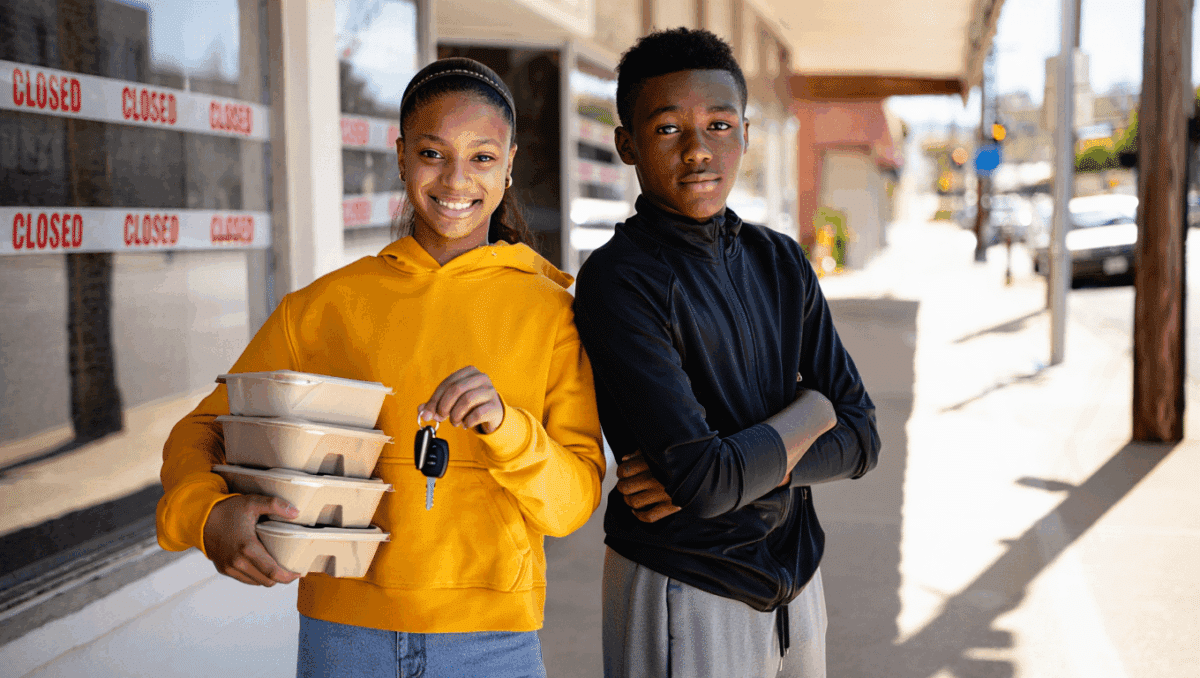
- Children organizing food drives and packaging supplies for neighbors in need.
- Kids painting encouraging messages on rocks placed around neighborhoods.
- Teen-led vaccine trials and research participation to advance public health knowledge.
Those acts weren’t simply gestures of goodwill; they demonstrated practical skills, empathy, and the ability to identify community needs quickly. According to the researchers, these behaviors point to a kind of emerging “disaster literacy”—an understanding of how disasters affect people differently and how to mobilize resources effectively.
What the researchers looked at and why it matters
Sociologist Lori Peek and her colleagues at the Natural Hazards Center reviewed media coverage from 2020 to 2023 to examine how young people were portrayed during the pandemic. Rather than tallying every story, the team zeroed in on a curated set of more than 100 news articles that included children’s voices and firsthand accounts.
Their qualitative analysis revealed that although much reporting focused on children’s vulnerabilities, a substantial portion of coverage highlighted youth-led responses and grassroots initiatives. The researchers identified recurring themes: digital fluency, peer-to-peer support, creative problem solving, and a readiness to help vulnerable populations such as the elderly, people with disabilities, and low-income families.
Eight ways youth showed up: acts of service and creativity
The study categorized the kinds of help young people provided into clear types. These actions ranged from material aid to emotional support and community organizing. Key categories included:
- Producing and distributing personal protective equipment (PPE) and medical supplies.
- Organizing food, money, and supply drives for households in need.
- Offering peer emotional support through hotlines, text services, and virtual check-ins.
- Contributing to scientific efforts, including participation in vaccine studies.
- Using art and public messaging—murals, painted rocks, neighborhood signs—to boost morale.
- Creating alternative celebrations and events (mini-proms, drive-by graduations) to mark milestones disrupted by lockdowns.
- Adapting school resources—like makerspaces and 3D printers—to meet community needs.
- Identifying and advocating for groups disproportionately affected by the crisis.
These actions often reflected an intuitive awareness of unequal impacts. Young people noticed who was falling through the cracks and used whatever channels they had—social media, school clubs, local nonprofits—to plug those gaps.
Skills and strengths the pandemic helped reveal in young people
Many of the qualities on display during COVID are tied to youths’ everyday experiences: comfort with digital tools, flexible schedules compared with working adults, and social networks that enable rapid coordination. Coupled with a desire to belong and help peers, these traits made young people effective first responders in small but meaningful ways.
Researchers described this as growing disaster literacy: not just knowing about risks, but knowing how to respond—practically, emotionally, and creatively—when crises arrive.
Early signs these experiences could last into adulthood
Long-term effects remain under study, but evidence from other disaster contexts offers clues. Adults who volunteered after large-scale crises, such as the 9/11 attacks, later reported psychological healing, increased civic engagement, and a stronger sense of efficacy. If similar processes hold for youth who acted during the pandemic, those experiences could translate into lifelong patterns of community involvement and activism.
One of the study’s student researchers suggested that the empathy and initiative cultivated in these moments might inspire young people to address inequality and remain involved in community solutions as they age. Policymakers and educators who want to sustain those gains are being encouraged to create formal opportunities for young people to contribute their perspectives and skills.
Practical steps for supporting youth engagement after crises
Based on the research findings, experts recommend several concrete steps that communities, schools, and families can take to harness young people’s strengths:
- Establish youth advisory boards or councils so young voices shape local responses to emergencies.
- Support school and community makerspaces that let students convert creativity into public goods, like PPE or community signage.
- Promote peer-support programs and fund teen-led mental health hotlines.
- Encourage volunteer pathways that connect young people with older adults and marginalized groups.
- Invite youth into disaster planning tables to build practical experience and leadership.
Guidance for families
Parents unsure how to involve or comfort children during ongoing threats were advised to ask them directly what they might want to do to help. Giving kids age-appropriate responsibilities—collecting donations, making supportive art, participating in local outreach—can turn anxiety into agency and nurture a habit of civic engagement.
As communities rebuild and plan for future emergencies, researchers argue that including and empowering young people is both practical and beneficial.
You might also like:
- Hurricane preparedness: Florida teen’s Storm Smart program teaches students after schools failed
- 19-year-old defeats former high school civics teacher in local election
- Chicago public school IDs now double as library cards to boost student access
- Teen celebrates 5 years reading to kids with disabilities after starting during pandemic
- Helicopter parenting robs kids of a normal childhood and independence

Michael Thompson is an experienced journalist covering U.S. and global news. With ten years on the front lines, he breaks down political and economic stories that matter. His precise writing and keen attention to detail help you grasp the real‑world impact of every event.


Man, these younglings, I tell ya! Had doubts, but they really stepped up during the chaos. The COVID crew might surprise us all with their newfound grit and creativity. Who knew a pandemic could bring out the best in em?
Oh man, aint that the truth! These young guns surprising us all during the madness, stepping up like nobodys business. Who knew a pandemic could unleash their inner warriors, huh? Gotta give credit where its due, theyre showing some serious grit and creativity. Lets see if they can keep this momentum going, or if its just a pandemic fluke, right?
Man, back in my day, we didnt have a pandemic to toughen us up. These COVID kids are growing into resilient little warriors, facing challenges head-on. Maybe we can all learn a thing or two from their strength and adaptability.
I feel ya, buddy! These younglings are facing some real-deal challenges these days. Its like theyve been thrown into the deep end and are learning to swim like pros. Its impressive how theyre adapting and finding their way through this mess. Who knew a bunch of TikTok-savvy youngsters could teach us old dogs some new tricks, huh? Maybe we should take notes from these mini warriors on resilience and adaptability.
Man, those COVID kids? Theyve been through the ringer, but theyre coming out stronger. Like little warriors in training, facing challenges head-on. Its like they went from tadpoles to full-blown frogs in one leap. Admirable stuff, really.
Man, these COVID kids be tougher than those old Nokia phones! Survived a global crisis, online school, and still got that TikTok game strong. Time to give em the props they deserve. *slow clap*
Man, lemme tell ya, those young bloods these days, takin on the pandemic like champs. Resilient little warriors, they are. Maybe theres hope for the future after all, huh?
Man, these kids today surprise me. Who wouldve thought a global mess like the pandemic could actually toughen em up? Kudos to the COVID generation for showing resilience and creativity. Maybe theres hope for the future after all!
Man, totally get what you mean. These kids are like little warriors facing the pandemic head-on! Its pretty cool to see how they adapt and push through tough times. Who knew they had it in em, right? Its like theyre leveling up in a real-life video game. Bright future ahead, maybe?
Man, these kids today, theyve been through it with this whole pandemic thing. But you know what? Theyve come out stronger, more creative, and more resilient. Its like theyve been forged in the fire of chaos and uncertainty, and now theyre ready to take on the world.
Man, this pandemic was like a plot twist in a movie no one saw coming. But hey, props to the young ones for stepping up their game and showing some serious resilience. Who knew lockdowns could bring out such cool strengths in em?
Man, I remember when all we did was whine about school and parties. Now, these COVID kids are out there being resilient, creative, and showing up when it counts. Maybe we could all learn a thing or two from them, huh?
Man, these kids today, they surprise ya, dont they? The pandemic hit hard, but they stepped up big time. Resilient little warriors, I tell ya. Makes me hopeful for the future, yknow?
Man, these kids during the pandemic? Theyre like, evolving into these resilient beings. Its wild to see how challenges brought out their strengths. The futures in good hands if these young ones are the ones leading the charge.
Man, the pandemic was like a plot twist no one saw coming, right? But hey, its wild to see how the younger crowd stepped up their game during all that chaos. Maybe theres hope for us after all, huh?
Man, young people stepping up during the pandem, thats real heartwarming. Its like seein em grow up overnight. Makes ya believe in the future, yknow? Props to the COVID generation for showin their resilience.
Man, I gotta give it to these young folks. The way they stepped up during the pandemic, showing resilience and creativity? Impressive. Makes you wonder what else theyll conquer in the future. Props to the COVID generation!
Man, I gotta say, young folks really stepped up during the pandemic. Its like they found this inner strength and creativity nobody knew they had. Makes you wonder what else theyre capable of, yknow?
Man, the COVID generation really stepped up their game, huh? Its like they went through this crazy boot camp of resilience and creativity. Makes me wonder how the rest of us wouldve handled it at their age, ya know?