
Show summary Hide summary
- Why Adil Ray’s defense of Sharia drew headlines
- What people mean when they say “Sharia” — and why it’s contested
- Sharia councils and “parallel” justice in the UK
- Examples that have fueled public alarm
- Blasphemy, free speech and the shadow of international incidents
- How the conflict between secular law and religious norms plays out
- Why high-profile endorsements matter in a multicultural society
- What critics and supporters each emphasize
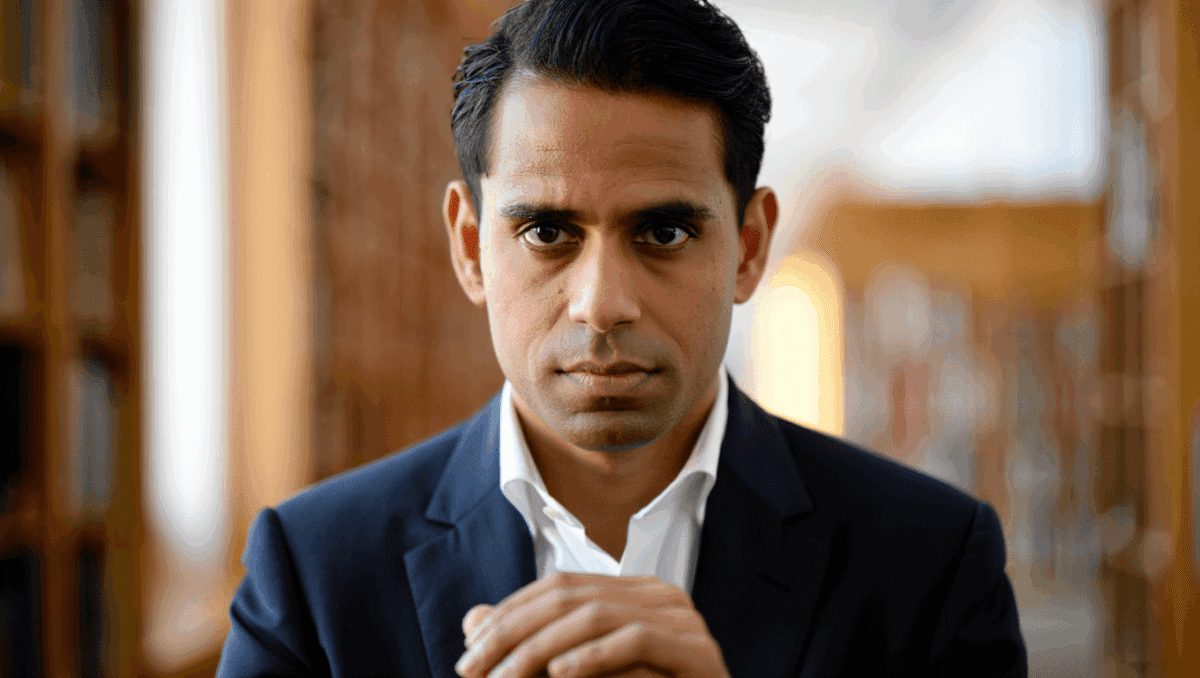
Adil Ray’s recent comments defending aspects of Sharia law ricocheted across social media and British newsrooms, setting off a fresh debate about religion, law, and public life. The Good Morning Britain presenter praised what he called the “positive values” found in Sharia — social justice, welfare and charity — after the election of Zohran Mamdani as New York City’s mayor. The reaction was swift and polarized, raising questions about how religious legal systems sit alongside secular democracies.
The conversation isn’t just about one viral post. It taps into deeper anxieties about parallel legal structures, community governance, and the limits of free speech in Britain and beyond. Critics warn that romanticizing Sharia’s ethical elements can mask harsher realities of religious law, while supporters argue that many of its teachings align with universal principles of fairness and mutual aid.
Why Adil Ray’s defense of Sharia drew headlines
The Growing Demand for Data-Driven Decision Making in Silicon Valley
He quit, ran out of money, and begged to come back — here’s how his boss reacted
Ray’s X (formerly Twitter) message came in the wake of Mamdani’s mayoral win and attempted to separate political office from religious imposition. He suggested some of Mamdani’s platform items reflected values that Muslims associate with Sharia. After pushback, Ray clarified that he was not predicting a literal imposition of Sharia law in New York, but his initial framing nonetheless ignited debate.
Public figures endorsing religiously framed values tend to amplify scrutiny. When a mainstream TV presenter frames parts of a religious legal tradition as synonymous with modern concepts of social justice, opponents worry that difficult or punitive elements of the same tradition will be minimized or overlooked.
What people mean when they say “Sharia” — and why it’s contested
The term “Sharia” covers a broad and often contradictory range of practices, interpretations and legal rulings derived from Islamic scripture and jurisprudence. For many Muslims, it represents moral guidance and community norms; for others, it denotes a formal legal code with specific penalties and family law provisions.
That diversity makes Sharia a contested concept in public debate:
- Some see it as a personal moral compass emphasizing charity, family duty and social welfare.
- Others point to codified rules and practices that conflict with Western secular norms, especially regarding gender equality and criminal punishment.
- There are also hybrid systems worldwide that mix civil law with religious principles, producing a wide range of outcomes depending on local politics and interpretation.
Confusion often arises when commentators collapse these different meanings into a single, unnuanced picture, either romanticizing or demonizing the tradition as a whole.
Sharia councils and “parallel” justice in the UK
In Britain, informal Sharia councils and arbitration tribunals have operated for years, handling issues such as marriage, divorce and inheritance within certain Muslim communities. Estimates at one point suggested roughly 80–100 such bodies across the country, though their scope and authority vary widely.
Key features of these bodies include:
- They are typically made up of community leaders, religious scholars and sometimes lay mediators.
- They are not part of the formal legal system and have no judicial authority under UK law.
- Many operate voluntarily, resolving disputes where both parties consent to the process.
Despite their voluntary nature, critics argue these councils can exert social pressure and deliver rulings that clash with statutory protections. Concerns center on cases where vulnerable people — often women or minorities within a community — feel coerced into accepting religiously based decisions that may undermine their legal rights.
Examples that have fueled public alarm
High-profile incidents in the UK have crystallized public fears that religious sensitivities and informal religious tribunals can curb free expression and individual rights. Notable episodes include:
- A teacher in West Yorkshire who faced threats and had to step back from public teaching after showing a classroom sketch of the Prophet Muhammad as part of a lesson on free speech and blasphemy.
- Cinema chains removing a film following complaints over depictions some Muslims found offensive — demonstrating how intimidation and pressure campaigns can influence corporate decisions.
- A mother’s public testimony about community judgment after her autistic child allegedly mishandled a religious text, highlighting how social sanctions can be deeply painful and stigmatizing.
Those incidents are often cited by opponents of expanding or normalizing Sharia-based dispute resolution, who argue that such patterns create a chilling effect for expression and dissent.
Blasphemy, free speech and the shadow of international incidents
The Rushdie fatwa remains a touchstone in these debates. Ayatollah Khomeini’s 1989 edict against Salman Rushdie for The Satanic Verses served as an early, stark example of how religious outrage can translate into transnational threats and censorship dynamics.
Contemporary concerns focus less on state-issued death sentences in Western democracies and more on social enforcement: intimidation, targeted campaigns, and corporate self-censorship. Still, the shadow of harsher penalties in countries that apply strict forms of Sharia contributes to unease.
How the conflict between secular law and religious norms plays out
At the heart of the controversy is a clash between two principles: the rule of secular, democratic law that applies equally to all citizens, and community-led systems that adjudicate disputes according to religious doctrine. The tension shows up in several ways:
- Legal coherence: Secular courts are the final arbiter, but community rulings can create parallel expectations and informal sanctions.
- Human rights: Some religiously based rulings can conflict with statutory protections, especially around gender, sexuality, and bodily autonomy.
- Social pressure: Even non-binding decisions can carry heavy moral weight within tight-knit communities, undermining an individual’s ability to access formal legal remedies.
Those who advocate defending secular law emphasize that equal application of the law protects minorities and vulnerable people from religiously justified discrimination. Conversely, proponents of accommodating religious practices argue for space for communal self-determination and the right to worship according to conscience.
Why high-profile endorsements matter in a multicultural society
When a well-known media figure endorses parts of a religious legal system, it does more than spark headlines; it shapes public perception. Supportive comments can normalize language that glosses over punitive aspects of certain interpretations and encourage policy debates to favor accommodation over caution.
At the same time, framing all concerns about Sharia as paranoia or bigotry risks shutting down legitimate debate. Open, evidence-based discussion is essential if democratic societies are to balance religious freedom with protection of individual rights.
What critics and supporters each emphasize
- Critics highlight cases where religiously based rulings have undermined women’s rights, curtailed free speech, or led to informal coercion.
- Supporters point to charitable practices, community cohesion, and ethical teachings that overlap with civil notions of fairness and welfare.
Both sides agree the topic matters politically and culturally; they diverge sharply on what safeguards are necessary and whether accommodation risks erosions of secular legal protections.
You might also like:
- Sharia law in Britain: what it really means and who it affects
- Tucker Carlson sharia law: why critics say he’s promoting it
- Teacher fired for calling Britain a Christian country: why it happened
- Islamists and progressives: surprising common ground and why it matters
- UK Islamic blasphemy laws defeated in free speech victory

Robert Johnson is a dedicated columnist focusing on political and social debates. With twelve years in editorial writing, he provides nuanced, well‑argued perspectives. His commentaries invite you to form your own views and engage in critical issues.


Remember when we used to debate politics in the schoolyard? Now its all over the internet. Adil Ray sure stirs the pot with that Sharia talk. Real justice or a touchy subject? Whats your take on it all?
Man, Sharia law aint no social justice, its like mixing oil and water, yknow? Adil Rays argument? Well, lets dissect that like a frog in science class. Lets see where this debate takes us. *grabs popcorn*
Man, Adil Rays take on Sharia law got people heated! Some think its justice, others call it outdated. Im just here wondering, can we ever find a middle ground on this intense topic?
I dont get it. Sharia law as social justice? Sounds fishy. Adil Ray got some explaining to do. Whos really benefitting here? Confused, but not convinced.
I remember when folks used to debate Sharia law at the local diner. Some said its justice, others called it oppression. Adil Rays take stirred up quite a ruckus, thats for sure. Whats your take on this tangled web, huh?
I once thought Sharia was just a fancy word for hush-hush secrets. But dang, its a whole system affecting peoples lives! Adil Rays take got me rethinking. Time to dig deeper!
I dunno, man, seems like everyones got an opinion on this Sharia stuff, but whos really listening to each other? Its like a big ol mess of misunderstandings and miscommunications. Cant we all just chill and talk it out, yo?
Man, I feel you on that. Its like a never-ending game of broken telephone, right? Everyones shouting, but no ones really hearing. We need to hit pause, grab a cold one, and just shoot the breeze. Maybe then well understand each others vibes, ya know?
Man, Sharia law debates always stir the pot. Some folks see it as justice, others as oppression. Adil Rays take surely sparked some fire. Wonder if well ever find common ground on this hot potato.
I used to think Sharia law was all about chopping hands and stoning people. But Adil Rays defense opened my eyes. Still, cant shake the unease. Justice or oppression, guess it depends on whos talking.
Geez, Sharia debates always stir the pot, innit? Its like a never-ending rollercoaster of opinions and controversies. Adil Rays take just added more fuel to the fire. Cant wait to see where this wild ride goes next!
Man, this Sharia talk got me thinking of that time I tried explaining my childhood rules to my non-Muslim pals. They were like, Wait, you cant date?! I get where Adils coming from, but its a sticky topic, yknow?
Man, talk about a hot potato topic! Sharia law, social justice… its like mixing oil and water, ya know? Adil Rays got some strong opinions, but wheres the middle ground in all this noise?
Man, Adil Ray really stirred the pot with that Sharia defense! But come on, mixing religion with law can get messy. Its like merging pineapple pizza with ketchup… some things just dont belong together, yknow?
I remember this one time at the barbers, folks kept debating Sharia law. Man, it got heated! Everyone had their two cents. But hey, its cool to see different viewpoints, right? Keeps things interesting.
Man, that sounds like a wild time at the barbershop! Nothing like a good ol debate about Sharia law to heat things up, huh? Different viewpoints can definitely spice things up, but I hope they all left with a fresh cut and no hard feelings!
Mate, I get it, different strokes for different folks, but Sharia aint a one-size-fits-all solution. Adil Rays take? I dunno, man, sounds like a can of worms. Whats next, eh? Crazy world we live in.
I remember this one time my cousin went on a rant about Sharia law. He thought it was all about fairness, but man, the debate got heated. Its crazy how one topic can stir up so much controversy, huh?
Man, some folks see Sharia as the holy grail of justice, but hey, Adil Ray stirred the pot with his take. Its a real maze of debate, aint it? Wonder how thisll unfold down the road.
Man, people need to chill. Sharias a complex topic, not just black-and-white. Adil Rays viewpoint? Makes you think. Lets discuss instead of jumping to conclusions, yeah?