
Show summary Hide summary
- Sharp financial decline signals changing institutional support
- From gay-rights campaigning to issuing workplace and school guidance
- Institutional pullback and the public debate over law and policy
- Impact on women’s spaces and same-sex communities
- Medical interventions for young people and the controversies that followed
- Culture war dynamics: elites, institutions and the spread of ideas
- Questions for the future of LGBT advocacy and public policy
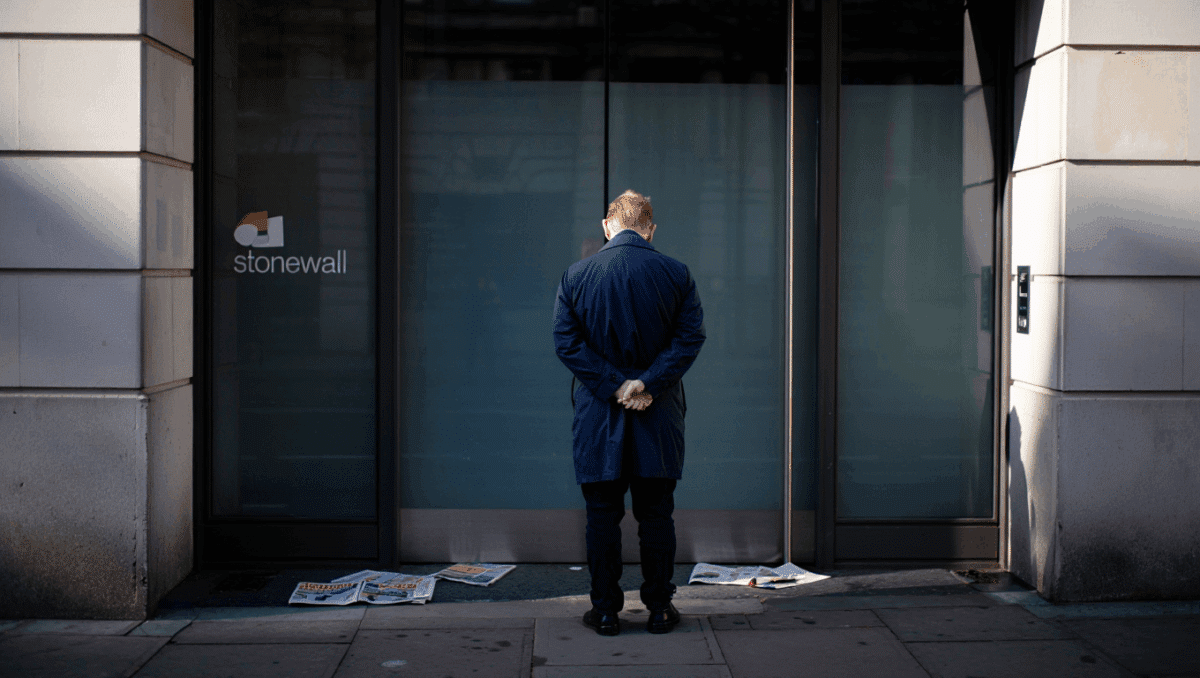
Stonewall’s recent troubles have become a flashpoint in a wider cultural fight over gender, rights, and institutional authority. Once celebrated for advancing lesbian and gay rights in the U.K., the charity now faces shrinking budgets, withdrawing partners, and fierce debate about whether its shift toward gender-identity advocacy betrayed the community it set out to protect.
This article examines how a leading LGBT organization’s embrace of trans-inclusive policies helped trigger a corporate and institutional retreat, ignited legal battles over the meaning of “sex” in anti-discrimination law, and prompted anger from women and some gay people who say their hard-won freedoms were sidelined. Below, the financials, the policy changes, the legal fallout and the social consequences are laid out for readers trying to understand what happened and why it matters.
Sharp financial decline signals changing institutional support
The Growing Demand for Data-Driven Decision Making in Silicon Valley
He quit, ran out of money, and begged to come back — here’s how his boss reacted
Stonewall’s recent accounts show a rapid drop in income and reserves that many observers interpret as a sign of dissipating confidence among funders and partners. Key figures include:
- Total revenue fell substantially from roughly £6.9 million in 2024 to about £4.7 million in the latest year reported.
- Reserves plunged from nearly £1 million to under £100,000 within a year, a dramatic loss of financial cushion.
- Corporate giving and government grants both decreased, with corporate donations dropping from the mid-six-figures to a much smaller sum and public-sector grants following a similar downward trend.
These numbers have translated into real reputational costs. Large employers, public bodies and broadcasters have scaled back or ended formal partnerships with Stonewall, signaling a reassessment of the charity’s role and advice in workplaces and schools.
From gay-rights campaigning to issuing workplace and school guidance
Stonewall’s evolution from a campaign organization focused on gay and lesbian equality to a prominent advocate for gender-identity inclusion changed how many institutions manage equality policies. Central to this shift was the charity’s workplace accreditation program, which advised employers and educational settings on best practices.
Critics contend that some of the guidance promoted by Stonewall pressured organizations to accept gender identity claims without clear legal alignment, including recommendations such as:
- Allowing individuals to use restroom and changing-room facilities that match their declared gender identity.
- Advising gender-neutral language in job titles and communications, and suggesting alternatives to terms like “mother” in certain contexts.
- Encouraging schools to permit transgender-identified pupils to access facilities and activities aligned with their gender identity.
Supporters argued these measures improved inclusion and safety for transgender people. Opponents said the guidance overlooked biological sex-based protections and created practical and privacy concerns for women and girls.
Institutional pullback and the public debate over law and policy
As Stonewall’s guidance gained prominence, several institutions publicly distanced themselves from the charity. Media organizations, government departments and private companies cited concerns about impartiality or legal accuracy when reevaluating their relationships.
Legal and advocacy groups entered the fray, contesting Stonewall’s interpretation of the Equality Act and how it should be applied to single-sex spaces. One prominent claimant argued that the Equality Act’s protections are rooted in the biological categories of male and female and therefore do not automatically confer access to all single-sex spaces on the basis of asserted gender identity.
When courts weighed in, the judgments further complicated public understanding. A high court decision clarified that in the context of the Equality Act, the protected characteristic of “sex” refers to biological males and females. That ruling was greeted as a vindication by those who argued for preserving single-sex provisions for women and lesbians. Stonewall publicly expressed concern about the judgment’s implications for transgender people and for the charity’s work to secure recognition and protections for gender-diverse individuals.
Impact on women’s spaces and same-sex communities
One of the most contentious aspects of the debate concerns the practical effects of gender-identity policies on women’s privacy and on same-sex spaces historically created by lesbians and gay men.
- Women’s-rights advocates have argued that unrestricted access based on gender identity can erode the ability of women to organize and gather in single-sex settings for safety and solidarity.
- Some lesbians reported feeling their sexual preferences and boundaries were being dismissed or labeled intolerant when they expressed discomfort around intimate situations involving transgender women.
- There were also concerns that guidance encouraging the use of gender-neutral language and facilities could obscure sex-specific needs, particularly in healthcare and education.
Advocates for transgender inclusion counter that these concerns can be managed through careful policy design—such as privacy measures in changing areas and case-by-case assessments—without excluding transgender people from community life.
Medical interventions for young people and the controversies that followed
The question of medical treatment for adolescents experiencing gender dysphoria has added another layer of dispute. Stonewall and other organizations have supported access to gender-affirming healthcare for minors under certain clinical guidelines, while critics worry about the long-term effects of hormone blockers and other interventions.
Key points of tension include:
- Claims that a sizeable proportion of young people seeking gender-related healthcare are also same-sex attracted, which some say complicates the assessment of underlying causes.
- Fears that medical interventions begun in adolescence may have irreversible consequences without sufficient long-term data.
- Calls for clearer, evidence-based clinical pathways and for parental and ethical safeguards around treatment decisions for minors.
The debate over young people’s healthcare is often highly charged, with public health agencies, clinicians and advocacy groups disagreeing on diagnostic criteria, eligibility and the balance of risks and benefits.
Culture war dynamics: elites, institutions and the spread of ideas
Stonewall’s rise and the subsequent backlash illuminate how cultural ideas about gender can spread through institutional networks—academia, the civil service, corporate HR teams and the media—and then meet resistance when practical implications arise.
Observers point to several dynamics at play:
- The rapid institutional uptake of gender-identity frameworks without broad public debate or clear legal consensus.
- The polarization that followed when affected groups—women, lesbians, religious organizations—raised objections that were sometimes dismissed as hostility rather than engaged with substantively.
- The role of financial incentives and reputational signaling, as organizations sought diversity accreditations that became markers of progressive credentials.
For many, the dispute is less about individual identities than about how societies balance competing rights and how public institutions translate complex social questions into policy.
Questions for the future of LGBT advocacy and public policy
The controversy surrounding Stonewall raises broader questions about the future direction of LGBT advocacy and how civil-society groups should navigate contested social issues:
- How can organizations represent the interests of diverse constituencies without sidelining some members’ concerns?
- What processes should be in place to ensure legal advice and policy guidance align with statute and court interpretation?
- Can a balance be struck that protects the dignity and safety of transgender people while preserving sex-based rights and privacy for women and lesbians?
Brendan O’Neill is the chief political writer for spiked and hosts The Brendan O’Neill Show podcast. His work focuses on cultural and political debates in the U.K. and beyond.
You might also like:
- Police Transform into Controversial Enforcers for Trans Activists: A Deep Dive into the Shift
- Trans rights debate with TERFs continues as clashes intensify
- Jenni Murray’s feminist courage in British broadcasting
- Sandie Peggie’s heroic stand for women prompts response from Graham Linehan
- Green Party faces criticism over treatment of women

Robert Johnson is a dedicated columnist focusing on political and social debates. With twelve years in editorial writing, he provides nuanced, well‑argued perspectives. His commentaries invite you to form your own views and engage in critical issues.


Man, that Stonewall treachery? Unforgivable. Sharp financial decline, changing support… Makes you wonder where the priorities lie. We need to keep the flame alive, no matter the obstacles.
Listen, the Stonewall treachery, man, its like engraved in our hearts, yknow? We gotta keep that flame alive, no matter what. Cant let history fade; its our duty.
Man, the Stonewall treachery, thats etched in my memory for sure. Cant let that fade away. Its like a beacon, reminding us to keep fighting. Never forget our roots, ya know?
Man, that Stonewall treachery, a dark page in history that must never be forgotten. The sharp financial decline? Signals somethings off. Lets keep the fight alive from gay-rights campaigning to workplace guidance!
Oh man, that Stonewall betrayal, a real stain on the history books, right? The financial jumble definitely raises some eyebrows. But hey, lets keep the spirit alive, fighting for LGBTQ+ rights from all angles, be it on the streets or at the workplace!
Man, that Stonewall treachery still stings. We cant let history fade. Its a reminder to stay vigilant, keep fighting for our rights. The struggle aint over, folks. Keep those rainbow flags flying high!
Dang, that Stonewall mess still burns, huh? Youre right, gotta keep that history alive. Its our duty to keep the fight alive, never back down. Those rainbow flags aint coming down anytime soon!
Ya know, the Stonewall treachery, thats somethin I wont let slip away. We gotta remember our roots, the fights, the sacrifices. Its what shapes us, pushes us forward. Cant let history fade into the shadows.
Man, that Stonewall treachery, its like an eternal scar, ya know? Gotta keep the flame burnin, never forget the sacrifices. Sharp financial decline? Sounds like they need a reality check!
Dude, that Stonewall mess, like a never-healing wound, right? Gotta honor those who fought. Financial struggle? Sounds like they need a wake-up call! Time to get real and hustle!
Man, the Stonewall treachery must never be forgotten. We gotta keep the flame burning, fight for our rights like our lives depend on it. Cause, lets face it, sometimes they do.
Man, the Stonewall treachery runs deep. Gotta keep that history alive, or were doomed to repeat it. Sharp financial decline signals shaky support, time to step up and fight for our rights!
Man, its wild how much historys right under our noses, huh? Stonewalls like the OG battleground for our rights. We cant let it fade into the background like yesterdays news. Time to rally the troops and keep the flame alive before were back at square one. Whos in for the ride?
I remember when Stonewall treachery hit hard. Cant let it fade. Sharp financial decline? Not surprised. Keep fighting from gay-rights campaigning to workplaces. Institutions might pull back, but our voices wont fade.
I totally get ya! The Stonewall impact still echoes, no doubt. Gotta keep pushing, even when the financial rollercoaster tries to mess things up. Our fight aint over, and our voices? Oh, theyre here to stay. Lets keep raising hell and showing em what were made of!
Yo, remember when they pulled that Stonewall treachery? Cant let that slip by unnoticed. Gotta stay vigilant, keep the history alive. Sharp financial decline? Not cool. Lets keep pushing for change, fam.
Man, that Stonewall treachery, its like a scar that wont fade. We gotta keep that history alive, ya know? Cant let the struggle be erased. Our roots run deep, and we gotta honor em.
Man, the Stonewall treachery still hits hard. Sharp financial decline, changing support… Its like a punch in the gut. From fighting for rights to this mess. We cant forget, gotta keep pushing forward.
Man, I feel you on that Stonewall rollercoaster. Its like we were crusadin for change, then bam, reality slapped us silly. But hey, we aint quittin. Gotta keep our eyes on the prize, right? Cant let the setbacks dim our rainbow.
I remember when the Stonewall treachery shook our community to its core. We must never forget the sacrifices made for our rights. Its a stark reminder of the ongoing fight for equality and acceptance.
I was barely a toddler when Stonewall went down, but let me tell ya, those stories still hit hard today. Its like a never-ending battle, right? The sacrifices folks made then, they paved the way for us now. Crazy to think how far weve come, but dang, we still got a long road ahead. Gotta keep fighting for that equality and acceptance, no matter what.
Man, the Stonewall treachery must never be forgotten. Its like a slap in the face to the community. Sharp financial decline? Thats just adding insult to injury. We gotta stay vigilant and fight for our rights.