
Show summary Hide summary
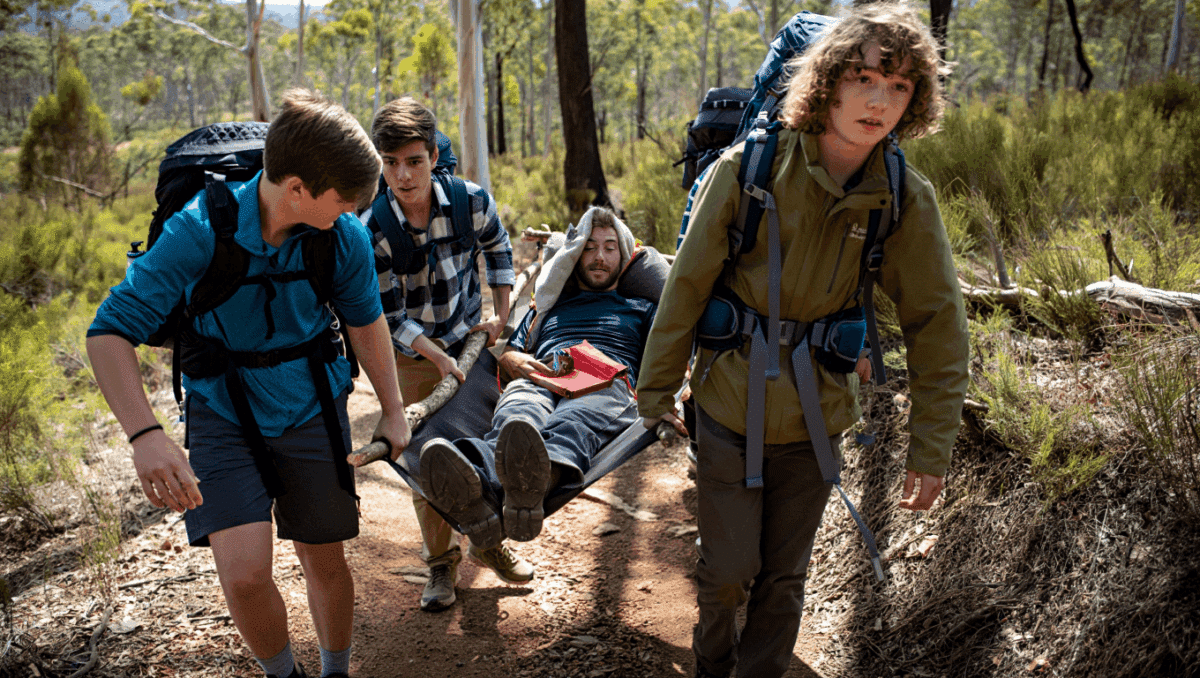
A group of high school students in New South Wales put their outdoor training to the test when they came across an injured hiker deep in the Warrumbungle National Park. What began as a routine four-day expedition for the Presbyterian Ladies’ College turned into a real-world rescue, and the students used a makeshift stretcher they had practiced weeks earlier to carry the man to safety.
Their calm, coordinated response kept the situation from getting worse. With little more than a hammock, tarp poles, and steady teamwork, the students carried the injured hiker over rugged terrain until professional rescuers could take over — a demonstration of preparedness, persistence, and community-minded action.
How the unexpected rescue unfolded in the bush
The group was on the third day of their trip when they found Thomas Wendland, an experienced walker who’d suffered a fall and was unable to put weight on his leg. Rather than panic, the students consulted with their adult leaders and moved into the role they had rehearsed many times as part of their Duke of Edinburgh Award activities.
The Growing Demand for Data-Driven Decision Making in Silicon Valley
He quit, ran out of money, and begged to come back — here’s how his boss reacted
Once they confirmed Wendland’s condition and stabilized him, the students fashioned a stretcher from what they had at hand. The decision to act quickly — but safely — meant they could move him out of a remote spot and toward a location accessible to emergency services.
Step-by-step: Building and carrying a makeshift gurney
Their improvised rescue method was simple, effective, and repeatable — the same technique the students had drilled during training.
- Materials used: hammock, tarp poles (or similar rigid supports), and sturdy straps or rope.
- Assembly: poles threaded under the hammock to create a firm carrying surface, with secure knots to prevent slippage.
- Lift rhythm: the team counted to three for coordinated lifts, then carried for short bursts (about 60 seconds) before stopping to rotate sides and rest.
- Rotation and pacing: alternating carriers kept energy levels up and reduced the risk of dropping or jostling the injured person.
- Communication: one person acted as coordinator, calling lifts, breaks, and direction changes so everyone moved in sync.
Why the 60-second carry worked
Short, timed carries let the students manage a long evacuation without exhausting any single person. By planning regular stops to switch sides and breathe, they preserved strength and maintained a smooth pace across uneven ground. The entire transport took roughly two hours to reach a point where professional assistance could rendezvous.
Training made the difference: The Duke of Edinburgh influence
The Duke of Edinburgh Award focuses on outdoor skills, physical recreation, community service, and expeditions that demand teamwork and planning. For these students, the award’s practical training translated directly to an emergency scenario: they knew how to improvise a gurney, how to manage fatigue, and how to prioritize the injured person’s safety.
Program coordinators at the school had the students practice the exact carry technique before the trip. That repeated practice paid off when the real event unfolded: rather than being overwhelmed, the students were able to act calmly and efficiently — the kind of preparedness that outdoor education aims to instill.
Voices from the trail: reactions and gratitude
The hiker, shaken but lucid, said he’d slipped and then felt a sharp snap — a second stumble intensified the pain and left him unable to walk. He later expressed deep appreciation for the students’ help, acknowledging that their willingness to stay and carry him meant the world during a frightening moment in remote terrain.
Teachers and program leaders also praised the students’ conduct. They noted how the group’s focus and the sense of achievement afterward reflected both the physical demands of the rescue and the confidence training can build in young people.
What hikers and groups can learn from this rescue
This incident offers useful takeaways for anyone heading into the backcountry:
- Practice emergency carries: rehearsed techniques reduce hesitation and improve safety when injuries happen.
- Travel prepared: simple items like a hammock, spare poles, or strong straps can become lifesaving tools.
- Use short, managed carries: pacing and regular rotations prevent exhaustion and keep movements controlled.
- Assign roles: designate a coordinator, pitch-person, and communicators to keep the group organized under stress.
- Know when to call for help: get to a pre-planned evacuation point or use emergency beacons/contacts as soon as practical.
You might also like:
- Hurricane preparedness: Florida teen’s Storm Smart program teaches students after schools failed
- 5 students save unconscious school bus driver
- Hiker saves lost dog in mountain rescue reversal
- EMT ran 1.5 miles up 1,000 ft in 31 minutes to deliver blood to injured climber
- Motorcyclist reunites with strangers who lifted 3,300-lb car off his body

Michael Thompson is an experienced journalist covering U.S. and global news. With ten years on the front lines, he breaks down political and economic stories that matter. His precise writing and keen attention to detail help you grasp the real‑world impact of every event.


Man, these students are like real-life superheroes, I tell ya! Crafting a stretcher out of branches and jackets? Thats some MacGyver stuff right there! They should get a badge of honor for this epic rescue mission!
Man, thats teamwork at its finest! Reminds me of that time we had to MacGyver a raft during summer camp. Props to those students for thinking on their feet and saving the day!
Man, those students really pulled off some MacGyver vibes with that makeshift stretcher! Who knew their practice would lead to a real-life rescue mission? Talk about turning theory into action!
Man, these students are like real-life superheroes! Reminds me of that time I tried to carry my friend out of a concert crowd. We didnt have a stretcher, though, just sheer determination and a lot of stumbling!
Dang, these students are like real-life heroes, improvise a gurney in the wild! Reminds me of that time I made a fort out of couch cushions. Guess we all got that MacGyver spirit deep down.
Man, that story hit me right in the feels! Reminds me of that one time when I had to improvise a bandage out of my favorite t-shirt. You never know when lifes gonna throw you a curveball, right?
I mean, talk about teamwork, right? These students didnt just ace their practice, they saved a life! That makeshift stretcher move? Pure genius. Who needs fancy gear when youve got quick thinking and heart?
Man, that story took me back to my camping days! We once had to fashion a stretcher outta branches for my buddy who twisted his ankle. Teamwork and quick thinking saved the day. Nature can be wild, but so can we humans!
Dang, reminds me of the time I had to fashion a splint out of duct tape and a broomstick for my bud who tried to be Tarzan off a tree! Nature throws curveballs, huh? But hey, humans can be pretty resourceful when the going gets tough. Were like the MacGyvers of the wilderness!
Duke of Edinburgh? Reminds me of my camping days. Had to rig up a stretcher once from tent poles and raincoats. Good on those students for thinking fast and helping out in the bush!
Man, those students are like real-life superheroes! Reminds me of that one time I tried to build a treehouse with my pals, ended up in a heap of broken planks. Guess we all have our moments of DIY glory!
Dude, those students are like legit superheroes in the making! I feel you on the DIY struggles. Remember when I tried to bake cookies and ended up with charcoal lumps? DIY glory can be a real rollercoaster ride!
Man, that story is like a survival movie come to life! Talk about quick thinking and teamwork. Makes you wonder what youd do in a pinch, right? Hats off to those students for pulling off that impromptu rescue mission!
Man, these students are like real-life superheroes, improvising a stretcher out there in the wild. Talk about quick thinking and teamwork! Who needs capes when youve got resourceful youngsters like that around? Admirable stuff, seriously.
Man, those students are like real-life superheroes! Who knew their hiking practice would turn into an epic rescue mission? Makes you wonder what other hidden talents these young folks are hiding up their sleeves.
Who wouldve thought those hiking junkies had a hidden superhero mode, huh? I mean, next thing you know, theyll be busting out capes and saving kittens from trees! Guess we should keep an eye out for any more surprises from this bunch. Wonder what other tricks theyve got up their sleeves…
Man, these students are like real-life superheroes! Building a stretcher from scratch and carrying the injured hiker to safety in the bush? Thats some next-level teamwork and quick thinking. Big props to these young champs!
Man, those students got some real-life skills! Like straight out of an action movie, building a stretcher in the wild. Bet they felt like superheroes after that. Talk about hands-on learning!
Man, these students are like real-life superheroes! Who knew a hiking practice could turn into a rescue mission? Makes me wonder if Id be as resourceful in an emergency. Kudos to them for their quick thinking and teamwork!
Man, these students are like real-life heroes! I once sprained my ankle in the woods, and let me tell ya, I wouldve loved a makeshift stretcher and a 60-second carry. Hats off to these young folks for their quick thinking!