
Show summary Hide summary
- How unused buildings add to the housing shortfall
- The visible decay on high streets and estates
- Historic landmarks left to linger under wraps
- Religion, reuse and changing community patterns
- Why conserving buildings matters beyond aesthetics
- Barriers to restoring and reusing existing buildings
- Practical steps to unlock dormant housing and preserve heritage
- What a different approach could look like on the ground
Britain’s housing shortage is painfully visible in everyday life: young adults delaying family plans, average wages left far behind rising home prices, and entire neighborhoods where upper floors over shops sit empty or sagging. While new construction gets most of the attention, a vast supply of existing buildings — many historic and structurally sound — is being ignored, neglected, or left vacant, even as demand for homes intensifies.
This isn’t just a matter of nostalgia. Repairing and repurposing the buildings already standing in towns and cities could ease the housing crunch, preserve character, and save green space. Yet policy and public investment still tilt heavily toward building new housing on undeveloped land, while historic terraces, crescents and tenements quietly deteriorate.
How unused buildings add to the housing shortfall
The Growing Demand for Data-Driven Decision Making in Silicon Valley
He quit, ran out of money, and begged to come back — here’s how his boss reacted
Empty or underused properties are a missed opportunity. Recent studies suggest that converting vacant upper floors, disused mills and civic buildings could yield hundreds of thousands of homes. At the same time, a significant portion of the existing stock is simply not up to standard:
- Potential supply: Rehabilitating historic structures could create as many as 670,000 homes, according to parliamentary estimates.
- Current shortfalls: Around four million homes in England fail the Decent Homes Standard, and nearly 94,000 social homes sit vacant — many because they need repairs.
Those numbers show that the answer to housing pressure is not solely acres of new development; there’s an untapped reservoir of residences that need money, planning attention and skilled craftsmen.
The visible decay on high streets and estates
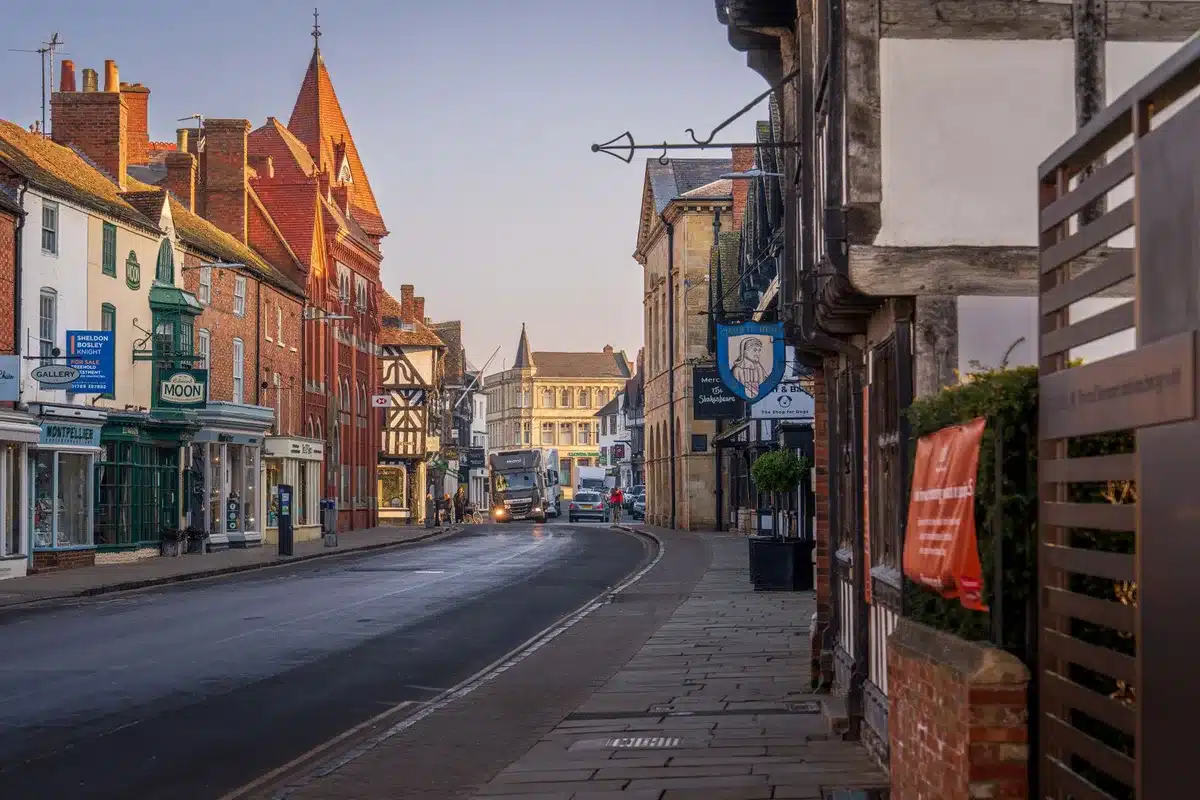
Walk down any market town high street and the same pattern emerges: shopfronts refurbished at ground level, while the floors above are shuttered, sagging or leaking. Council estates with decades-old maintenance backlogs display chipped facades, failing roofs and common areas that discourage residents from investing emotionally or financially in their homes.
On a personal level, I live in a Victorian tenement in Glasgow that needed large-scale work after years of deferred maintenance. The repair bill hit co-owners hard — a stark reminder that avoiding routine upkeep turns modest problems into ruinous bills.
Historic landmarks left to linger under wraps
Neglect is not restricted to housing. Iconic buildings can languish for years behind hoardings because repair funding and expertise are scarce. A prominent example is the Glasgow School of Art: more than eight years after the first devastating fire, the building remains fenced off, and prospects for a swift restoration look uncertain.
When nationally significant architecture stands idle, the loss is both cultural and practical — each delayed repair strips away tourism, local pride and the possibility of functional reuse.
Religion, reuse and changing community patterns
Places of worship have been particularly affected by these shifts. Over the past 15 years, roughly 3,500 churches in the UK have closed, and nearly 1,000 churches and chapels in England are officially classed as “at risk.” Some of these buildings have found second lives:
- Converted community spaces, cafés or libraries that keep local activity alive.
- Religious conversions to reflect demographic change — for example, several former churches now serve Muslim congregations across towns such as Stoke-on-Trent, Blackburn and Ipswich.
- Large-scale transformations of historic institutional sites into new religious or community hubs, which sometimes provoke debate about preservation versus adaptation.
These changes show that new communities can breathe life into old structures, but they also reveal a worrying trend: many older religious institutions lack the resources or will to maintain the buildings they already own.
Why conserving buildings matters beyond aesthetics
Preservation isn’t mere sentimentality. Buildings are repositories of craftsmanship, local traditions and continuity between generations. They help define the look and feel of neighborhoods and offer durable construction methods that modern developments often don’t match.
Victorian terraces, Georgian crescents and Scottish tenements remain highly desirable because they combine character with resilience. They were built to last, and when looked after, they can house future generations without eating into countryside or green belts.
Social and economic benefits of reuse
- Lower environmental cost: Refurbishing existing stock reduces material waste and the carbon footprint of new construction.
- Faster delivery: Converting vacant floors and buildings can provide homes more quickly than starting new developments from scratch.
- Protection of local identity: Adaptive reuse preserves the distinctive architecture that attracts tourism and fosters community cohesion.
Barriers to restoring and reusing existing buildings
Why haven’t we done more? Several practical obstacles stand in the way:
- Funding gaps: Large-scale repairs and sympathetic conversions are expensive, and public grants rarely cover the full cost.
- Planning hurdles: Regulations around heritage, fire safety and change of use can be slow and complex.
- Skills shortages: Traditional building crafts — lime mortar, slate roofing, bespoke joinery — are in decline, making accurate restoration harder and costlier.
- Ownership complexity: Multi-owner blocks, long-term vacancies and unclear titles can stall projects for years.
Practical steps to unlock dormant housing and preserve heritage
Policymakers, local authorities and communities can take coordinated action to make reuse a realistic alternative to endless greenfield development:
- Offer targeted grants and low-interest loans specifically for converting vacant upper floors and repairing historic homes.
- Create streamlined planning pathways for adaptive reuse projects that retain heritage character while meeting modern standards.
- Fund training programs to revive traditional construction skills essential for sensitive repairs.
- Support community-led ownership models — cooperatives, community trusts or local housing associations — to take on repairs and manage properties sustainably.
- Prioritize data collection: map vacant and substandard buildings to create a national register of reuse opportunities.
What a different approach could look like on the ground
Imagine a high street where upper floors are renovated into affordable one- and two-bedroom homes, where former mills host new apartments and civic buildings provide flexible community housing. Picture councils and developers working with local trusts to share costs, hiring apprentices in traditional trades and moving swiftly through planning approvals.
That scenario would protect architectural legacy while adding genuinely usable homes — a double win for towns and cities facing housing strain.
James Dixon is a Glasgow-based novelist, poet and playwright.
You might also like:
- UK housing crisis: Starmer unlikely to fix building backlog
- London building materials diverted from landfill for reuse
- Massive 672-Ton Church Relocated in Arctic Town: A Historic Move!
- Rural French mayors rally to save local cafes and reverse nationwide closures
- The mystery of the van parked inside an apartment building

Robert Johnson is a dedicated columnist focusing on political and social debates. With twelve years in editorial writing, he provides nuanced, well‑argued perspectives. His commentaries invite you to form your own views and engage in critical issues.


Man, the housing scenes a mess. Unused buildings everywhere, like ghosts haunting the city. We gotta breathe life into these places, make em homes, not just shadows of what could be. Time to get creative, folks!
Yo, totally feel ya, man. Its like the citys haunted by these empty buildings, just waiting for someone to bring em back to life. We gotta get our creative juices flowin and turn em into cozy homes, not just silent echoes of what could be, yknow? Time to shake things up and make magic happen in those forgotten corners!
Mate, can you believe the state of those old buildings just sitting there empty? Its like a ghost town in the middle of a city. Why dont they turn those places into affordable homes? Sort out this housing crisis instead of letting history decay.
Man, I feel ya! Its crazy how those old buildings just rot away when they could be helping out folks in need. Would be rad to see em turned into affordable homes and breathe some life into that ghost town vibe. But hey, maybe the powers that be need a lil nudge to make it happen, huh?
Mate, remember that abandoned cinema on the corner? Couldve been a sweet community hub, but its just gathering dust. These unused spots in the UK are like a wasted opportunity buffet. Its like… why not revamp them into affordable homes instead of letting em rot?
Mate, I swear, its like theyre blind to the old buildings crying out for a makeover. We pass em every day, decay spreading. Why waste space when homes are scarce? Lets get creative, yeah?
Dude, I feel ya! Its like these old buildings are screaming for a glow-up, and everyones just walking past, ignoring them. Such a waste, right? We gotta sprinkle some creativity in there and give these beauties a new lease on life. Whos with us? Lets make our city shine again!
Mate, cant believe the councils ignoring all them empty buildings! I mean, were all squished in shoebox flats, and theyre just rotting away. Sort it out, innit? Priorities, people!
Man, these unused buildings just sittin’ there while folks need a roof over their heads? It’s like having a feast but only starin’ at it! Let’s get creative, turn those old places into homes! Time for some DIY magic!
Dude, aint that the truth! Its like having a pizza in front of you but choosing to eat the box instead. Waste of good space, right? Time to sprinkle some DIY magic, turn those dusty old buildings into cozy homes. Lets get our creative hats on and make it happen!
Mate, its like watching a movie sequel with the same old plot: neglected buildings, decaying streets. Why not turn these spots into cool cribs? Stop the housing crisis and add some spice to the hood!
Mate, I swear, they keep blabbering about housing like its all about new builds. But what about all them empty places gathering dust? Reckon we need to get smart with what we got.
Man, I feel ya! Its like theyre fixated on new builds, ignoring all them ghost town places. Its time to shake things up and make the most of whats already there. Maybe we need a different approach, a fresh pair of eyes to see the potential in those dusty spots. What do you reckon, ready to flip the script and get creative with those neglected spaces?
Man, the housing scenes a mess. Its like a jigsaw with half the pieces missing. All these empty buildings, decaying high streets… We need a housing magic trick, pronto. Time to hustle those spaces back into action!
Yeah, mate, the housing situations a total car crash right now. Feels like a puzzle missing half its pieces, doesnt it? Empty buildings, run-down streets – its like a ghost town out there. Maybe we need a bit of that housing magic youre talking about, a sprinkle of fairy dust to bring these places back to life. Time to roll up our sleeves and make some real change happen!
Ah, mate, the housing mess aint just a tale of two cities anymore. Its like those unused buildings are ghosts haunting our streets. What a waste! Cant we turn these empty shells into cozy homes for folks in need?
Man, youre spot on! Its like these empty buildings are whispering stories of what couldve been, ya know? Such a shame theyre just gathering dust. Imagine the good vibes if those spaces were turned into cozy homes for those in need. We could bring some life back to these streets, dude!
Man, I remember walking past those empty buildings, feeling like theyre just wasting space. Like, why cant we turn those into affordable homes? The housing crisis aint gonna solve itself, yknow.
Man, I remember walking down those high streets, feeling the buzz, the life. Now? Ghost towns, decay, and empty buildings. Its like a movie set after filming. We gotta breathe new life into these places, yknow?
Man, I swear, its like were playing hide-and-seek with these unused buildings in the UK housing crisis. Theyre just sitting there, twiddling their thumbs while folks are out there struggling to find a decent place to live. Priorities, people!
Man, the housing crisis is like that one party where everyones invited but theres no space to dance. Unused buildings rot while folks need roofs. We gotta shake things up, turn decay into homes. Time for a housing glow-up!
Hey, totally feel ya on that one! Its like a party with a killer playlist but a tiny dance floor. We need to Marie Kondo those abandoned buildings and spark some life into em. Time for a housing makeover, yknow? Lets turn that decay into cozy cribs!
Man, I tell ya, those empty buildings are like forgotten treasure chests in a land of desperate house hunters. Its like having a feast in front of you, but youre on a diet. Time to unlock those doors and solve this housing puzzle!
Mate, have you seen those old buildings just gathering dust? Its like theyre begging for a makeover. Why not turn those relics into homes? Its not rocket science, its common sense. Lets solve this housing drama already!
Dude, I hear ya! Its like those old buildings are just stuck in a time warp, begging for a glow-up. Totally makes sense to convert them into cool homes, right? Imagine the character those relics could bring to the neighborhood! Lets get those dust bunnies moving and shake up that housing scene!
Man, its like watching a game of musical chairs, but with buildings. The struggle for housing is real. Unused spaces gathering dust while people need roofs. Time for a remix, UK!
Dude, I hear ya! Its like a crazy game of Tetris with buildings, innit? All these empty spaces just chillin while folks out here strugglin to find a decent roof over their heads. Time to hit that remix button, UK! Lets turn those dust-gathering spots into cozy homes, yknow? Gotta shake things up a bit!
Mate, living in a shoebox aint the dream. Londons got more empty buildings than Ive got socks with holes. Lets fix this mess! Whos with me? Time to turn these dusty relics into cozy homes!
Mate, the housing crisis in the UK? Its like a leaky tap in the middle of a desert. And these unused buildings just gathering dust? Its like having a feast but no ones allowed to eat. Somethings gotta give, innit?
Man, I remember when those old buildings used to be alive with stories. Now theyre just crumbling away, adding to the housing mess. Its like a whole part of our historys fading with em. Shame, innit?
Mate, I swear, these unused buildings are like ghosts haunting our cities. Why leave em to rot when people are cryin out for homes? Its like watchin money grow mold, innit? Time to shake things up, builders!
Man, its like a game of Jenga with the housing crisis in the UK. Pull out one piece, whole thing comes crashing down. Unused buildings? Thats like having dessert on the table and not eating it. Lets fix this mess!
Dude, youre spot on! The housing crisis is like a giant Jenga tower waiting to collapse. Its insane how one wrong move can bring the whole thing tumbling down. And those unused buildings? Its like having a feast laid out but not taking a single bite. Lets roll up our sleeves and fix this mess!
Man, I remember strolling down those high streets, now its like a ghost town. Empty buildings, decaying facades, its a cryin shame. We gotta find a way to breathe life back into these forgotten spots. Its all about community, yknow?
Man, I feel ya. Its like those high streets went from bustling to busted real quick. Its a total bummer seeing all those empty shells, right? But hey, youre onto something with bringing the community vibe back. Gotta inject some life into those forgotten corners. Maybe organize a block party or something, get people back in the mix and shake things up a bit. Who knows, maybe we can turn those ghost towns into hotspots again!