
Show summary Hide summary
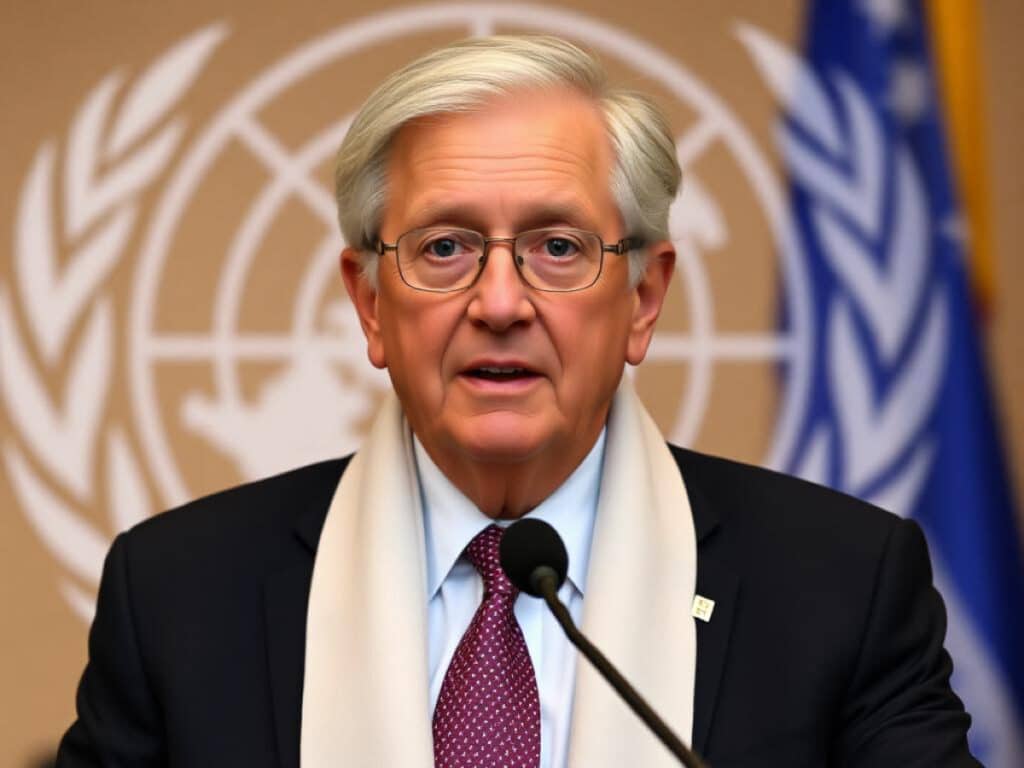
In a recent turn of events that has stirred the global economic waters, UN Secretary-General António Guterres has voiced his concerns over the new tariffs imposed by U.S. President Donald Trump. Describing the tariffs as “disheartening,” Guterres’s remarks come at a time when tensions over international trade policies are already running high. Through his spokesperson, Farhan Haq, the UN chief emphasized the damaging nature of trade wars and the urgent need to steer clear of such conflicts.
The implications of these tariffs are not just numbers on a ledger; they resonate deeply with the lives of the world’s most vulnerable populations. Particularly hard-hit are countries like India, Brazil, and a few others which now face significantly higher costs, potentially leading to increased prices for basic goods and services. Guterres is actively pushing for governments worldwide to adopt protective measures for these at-risk sectors, highlighting the broader human impact of economic decisions.
Global Impact of New Tariffs
With the introduction of these new tariffs, several countries find themselves grappling with heightened economic pressures. For instance, India now faces a combined tariff rate of 50% on its purchases of Russian oil. This substantial increase is part of a broader pattern affecting numerous other nations, including Brazil, which as a member of the Southern Common Market (Mercosur), is subjected to an initial 10% surcharge.
The Growing Demand for Data-Driven Decision Making in Silicon Valley
He quit, ran out of money, and begged to come back — here’s how his boss reacted
Additional Burdens for Brazil
The situation in Brazil is further complicated by a 40% penalty imposed following recent judgments by Supreme Federal Court Justice Alexandre De Moraes against former President Jair Bolsonaro and various U.S. social media companies. These legal developments have added layers of complexity and challenge for the South American nation.
Effects on the Most Vulnerable
Guterres’s concerns extend beyond mere economic metrics; his focus is acutely tuned to the human element of these tariffs. The poorest and most vulnerable groups in these affected countries are likely to bear the brunt of rising costs for essentials, such as food and healthcare. This could exacerbate existing inequalities and worsen the plight of those already struggling.
Call to Action for Governments
In light of these developments, Guterres has called on governments around the world to take decisive action to shield their most vulnerable citizens from the fallout of these tariffs. Farhan Haq reiterated the UN Secretary-General’s stance, stressing the importance of safeguarding ordinary people during these challenging times.
Broader Implications for Global Trade
The ripple effects of these tariffs are expected to reach far beyond the directly affected countries. With over three developing nations, including Myanmar and Laos, facing tariffs upwards of 35%, the scenario sets a concerning precedent for global trade relationships. The potential disruptions could lead to a reevaluation of trade agreements and partnerships internationally.
In conclusion, the introduction of these tariffs by the U.S. presents a complex challenge that intersects economic, legal, and human rights issues. As countries and international bodies navigate this challenging landscape, the words of António Guterres serve as a poignant reminder of the stakes involved—not just for the economies of the world, but for the very fabric of global society.
You might also like:
- Haddad’s Treasury Talks Cancelled: US Far Right Influence to Blame?
- Lula Blasts Trump on Brazil Tariffs: Accuses Bolsonaro of Betrayal!
- Al Gore Criticizes Washington’s “Schizophrenic” Climate Policy: Calls for Consistency
- Trump Threatens to Shoot Down Venezuelan Jets: Tensions Rise with US Warships
- US Government’s Secret Strategies Revealed: Eduardo Bolsonaro’s Insight in FT Interview

Robert Johnson is a dedicated columnist focusing on political and social debates. With twelve years in editorial writing, he provides nuanced, well‑argued perspectives. His commentaries invite you to form your own views and engage in critical issues.

