
Show summary Hide summary
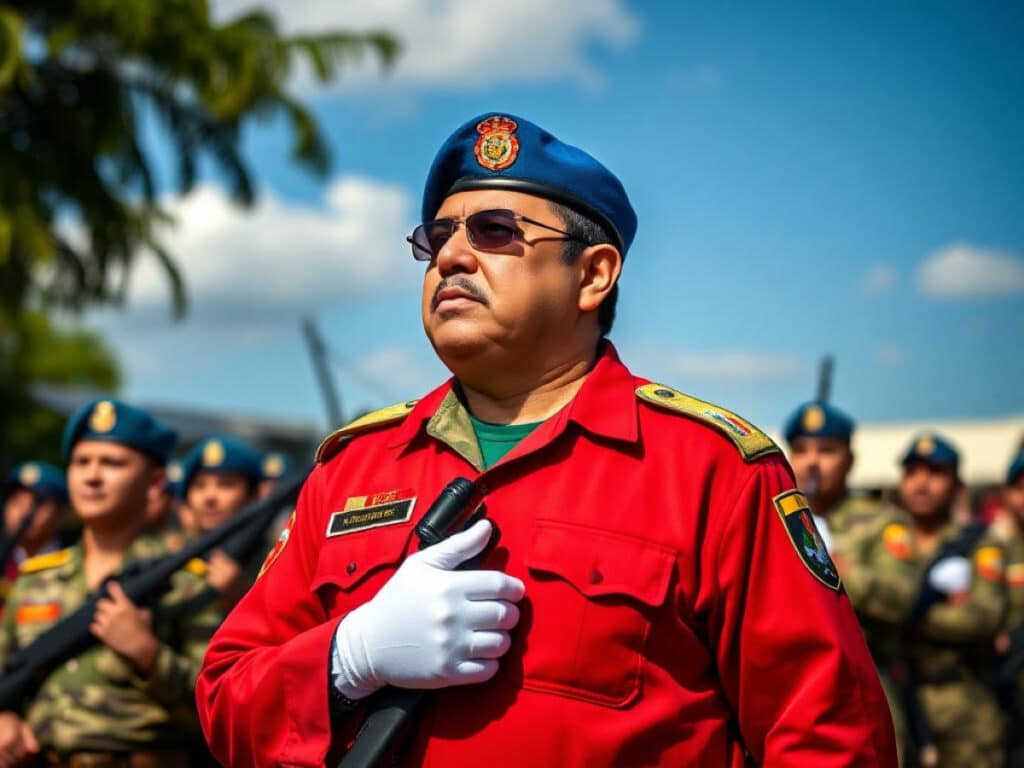
In a bold move that underscores the tension in the Caribbean, Venezuelan President Nicolás Maduro has recently escalated his national defense initiatives amid growing concerns of external threats. The decision to extend the opportunity for citizens to join the Bolivarian militia illustrates a deepening resolve to fortify the nation’s sovereignty and peace. This extension allows enlistment on August 29 and 30, signaling a crucial period for Venezuelan defense strategies. The initiative, tagged with the stirring slogan “#YoMeAlisto,” was initially launched over the past weekend and represents what Maduro terms the “first step to activate the National Defense System”—a system deeply rooted in Venezuela’s history of liberty and mandated by the laws of the Republic.
Maduro’s call to arms is a direct response to what he perceives as aggressive posturing by the United States, which has notably increased its military presence in the Caribbean. The U.S. government explains this move as a crackdown on drug trafficking routes, particularly those linked to the infamous “Cartel de los Soles,” allegedly led by top officials within the Venezuelan government. Yet, the Venezuelan leader paints a different picture, framing these actions as part of a broader scheme of psychological and political warfare aimed at destabilizing his regime.
The Allegations Against Marco Rubio
During a nationally broadcasted address, Maduro pointed fingers directly at U.S. Senator Marco Rubio, accusing him of orchestrating what he described as “warmongering plans” against Venezuela. Maduro depicted Rubio as a pivotal figure in Washington, actively engaged in crafting strategies that threaten the peace and stability of his country.
The Growing Demand for Data-Driven Decision Making in Silicon Valley
He quit, ran out of money, and begged to come back — here’s how his boss reacted
Maduro’s Stark Warnings
The Venezuelan president did not mince words when he expressed concerns over the potential consequences of Rubio’s alleged extremism. He warned of a scenario that could escalate into severe conflict, implicating the Trump administration in fostering an imperialistic and warmongering agenda. According to Maduro, these actions are part of a larger U.S. strategy to assert global dominance.
National Response and Militia Enrollment
Maduro’s rhetoric resonated with a tone of defiance and national pride. He emphasized the unity and strength of the Venezuelan people, the Bolivarian National Armed Forces (FANB), and the militia, whom he described as braver and more combat-ready than ever. This sentiment was echoed in the mass enlistment witnessed following his call to arms, which saw Venezuelans from diverse backgrounds stepping forward to defend their homeland.
- Massive turnouts at enlistment stations
- Expressions of patriotism and readiness to defend
- Public endorsements of Maduro’s leadership
The Global Perspective
Maduro also highlighted the international admiration Venezuela has garnered in the face of these challenges. According to him, the world has taken note of the Venezuelan spirit and the country’s determination to protect its sovereignty against perceived imperialistic forces.
As tensions in the Caribbean continue to unfold, the actions taken by Maduro and the response from the U.S. will undoubtedly be watched closely by international observers. The situation remains fluid, with potential implications not only for the regional stability but also for the broader geopolitical landscape.
You might also like:
- Maduro Rallies 4 Million Militiamen Against US Navy: Venezuela’s Power Play Escalates!
- US Navy Destroyers Mobilize Near Venezuela: Crackdown on Narco-Terror Groups Intensifies
- US Increases Bounty on Nicolás Maduro: Hunt Intensifies for Venezuelan Narcoterrorist
- Paraguay Labels Cartel de los Soles as Terrorist Group: Major Crackdown on Crime Syndicate
- Venezuelan Warplanes Buzz US Navy Ship: Tensions Rise in the Caribbean Sea

Robert Johnson is a dedicated columnist focusing on political and social debates. With twelve years in editorial writing, he provides nuanced, well‑argued perspectives. His commentaries invite you to form your own views and engage in critical issues.

