
Show summary Hide summary
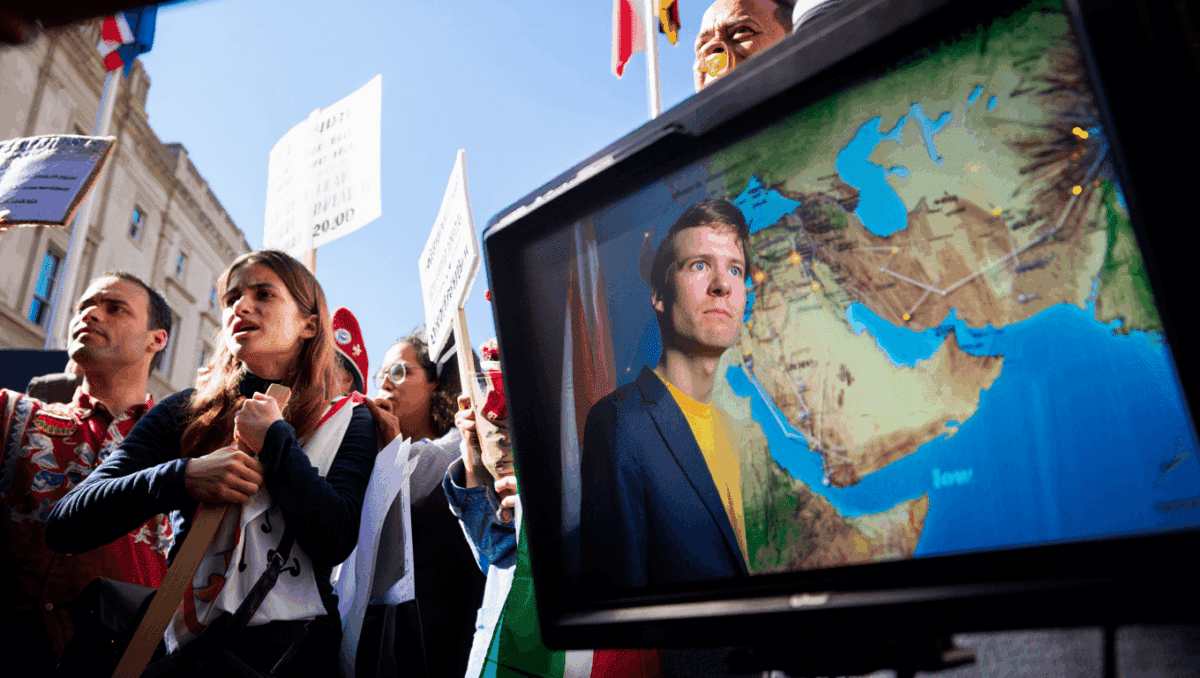
When American and Israeli strikes hit targets inside Iran, a loud, immediate uproar rippled across parts of the Western left. Online, the language was familiar: “illegal aggression,” “imperialism,” and urgent calls for street demonstrations. The intensity of that outrage has exposed a striking inconsistency — activists who rarely raised their voices during the months of mass repression inside Iran suddenly found cause to denounce any blow against the regime.
This shift has reopened an old argument about the limits of solidarity and the shape of contemporary anti-war politics. Is the current fury born of principled opposition to foreign intervention, or is it part of a reflexive posture that consistently privileges attacking Western power over condemning non-Western authoritarianism?
Immediate reactions: how the protest narrative formed
The Growing Demand for Data-Driven Decision Making in Silicon Valley
He quit, ran out of money, and begged to come back — here’s how his boss reacted
Within hours of reports about the strikes, social media and activist networks lit up. Hashtags trended. Emergency demonstrations were planned in major cities. Commentators labeled the attacks a step toward a wider conflict and framed them as a unilateral act of Western coercion. Early, unverified reports of civilian casualties inflamed feelings and hardened messaging: the strikes were being presented not just as tactical errors but as moral crimes.
That response followed a pattern: any use of force by the United States or its allies prompts a moral panic among certain corners of the left. The pattern now raises questions about selective indignation — why is a defensive or punitive strike by Western powers treated with more moral outrage than the daily, systemic violence of a domestic dictatorship?
Absent solidarity: where were the protests for Iranian lives?
Across recent months, millions of Iranians protested against their own rulers: workers, students, women, and everyday citizens took to the streets to demand rights and reforms. Those demonstrations were met with brutal crackdowns — arrests, beatings, and, by many accounts, thousands of deaths. Yet much of the Western activist ecosystem that rapidly mobilized against the strikes was conspicuously quiet when these domestic atrocities were occurring.
- Mass rallies in cities with large diasporas drew crowds demanding change, but many prominent activist figures and organizations did not show up.
- Public vigils and solidarity events for Iranian dissidents were small and lacked the visibility typical of movements that target Western foreign policy.
- Voices that regularly denounce Western interventions often remained silent while Iran’s security forces crushed protests, sometimes with help from foreign-backed militias.
If you did not publicly defend Iranian protesters when they faced violence at home, your sudden alarm over foreign strikes rings hollow. That is not to deny the tragedy of civilian casualties — every innocent life lost is a tragedy — but the moral inconsistency is worth scrutiny.
From anti-imperialism to reflexive anti-Westernism
Historically, anti-imperialism aimed to protect weak nations from domination by great powers. Over time, however, part of that tradition has hardened into a reflexive posture: the West is seen as the default oppressor, and Western policy is the root of all geopolitical ills. This shift has real consequences.
Instead of applying a consistent ethic — opposing domination whether it comes from Western militaries or local theocracies — some elements of the left have adopted a hierarchy of concern that privileges hostility to the United States above all other moral claims. The result is a tendency to excuse or ignore crimes by non-Western regimes while loudly denouncing any Western action that might in any way complicate their geopolitical standing.
How selective outrage distorts moral claims
There are a few forces at work here:
- Ideological identity: opposing the West becomes a marker of political purity, and nuance gets pushed aside.
- Cultural capital: criticizing U.S. policy confers status in certain academic and media circles.
- Political alliances: sympathy for any actor deemed anti-Western can override concerns about that actor’s human-rights record.
The outcome is a moral inversion: actions by the Islamic Republic that deliberately target dissidents are minimized, while Western actions that result in fewer casualties are framed as catastrophic crimes.
Iran’s regional footprint: why the regime isn’t merely a victim
The Islamic Republic is not only a domestic oppressor; it is also an active regional power with a record of exporting violence through proxies. From Lebanon’s militias to armed groups in Yemen and elsewhere, Tehran has cultivated networks that pursue its strategic goals across the Middle East. Those networks have been used both to pressure rivals and to wage bloody campaigns that affect civilians far from Iran’s borders.
- Hezbollah’s role in Lebanon and Syria has long been a vector of Iranian influence.
- Houthi attacks have destabilized shipping lanes and contributed to humanitarian crises in Yemen.
- Support for Hamas and similar groups has shaped conflict dynamics in and around Israel and the Palestinian territories.
Moreover, the regime’s willingness to turn its paramilitary allies inward — calling them back to suppress domestic unrest — underlines a disturbing logic. When a government deploys foreign-trained militias against its own citizens, that is not the mark of a persecuted nation but of an authoritarian power defending its rule.
Labels, accusations, and the debate over intervention
In debates about foreign policy, critics of military action are sometimes accused of being apologists for dictators. Historically, the label “pro-regime” has been thrown at opponents of Western interventions, often unfairly. Many who opposed the Iraq War or the Libya intervention did so out of concern for civilian lives, regional stability, or the credibility of intelligence claims — not out of affection for Saddam Hussein or Muammar Gaddafi.
But this moment feels different for some. There have been occasions where anti-war rhetoric overlapped with overt sympathy for armed groups responsible for heinous acts. At times, the criticism of Western policy and the defense of armed non-state actors have blurred into one another.
Questions activists should ask themselves
- Do you oppose intervention consistently, or only when Western powers are involved?
- Are you willing to condemn authoritarian violence regardless of who carries it out?
- When you call for “hands off Iran,” do you mean protection for the people or protection for the regime?
There is a legitimate, serious debate about whether external military action helps or harms people living under repressive regimes. Many critics worry that foreign strikes could inflame tensions, strengthen hardliners, or lead to wider conflict. Those concerns deserve attention and thoughtful discussion. But questions about the sincerity and proportionality of outrage are also legitimate, especially when past atrocities by the same government received muted responses from the same voices now leading the protests.
You might also like:
- Iran regime collapse: could the Islamic Republic be toppled?
- Iran war began Oct. 7, triggering regional escalation
- Calla Walsh: former Democratic activist turned propagandist for Iran’s Islamic Republic
- Iran: Ayaan Hirsi Ali says Western feminists failed to act
- Iran strikes push Middle East toward regional war

Robert Johnson is a dedicated columnist focusing on political and social debates. With twelve years in editorial writing, he provides nuanced, well‑argued perspectives. His commentaries invite you to form your own views and engage in critical issues.


Man, its wild how folks pick and choose when to stand up for human rights. One day its all hashtags and outrage, the next its radio silence. Consistency much? #Hypocrisy101
Oh man, I hear ya! People be out there shouting for justice one day, then ghosting the next. Talk about commitment issues, right? Its like theyre playing Human Rights Bingo – mark off the squares when its convenient. Consistency is the name of the game, folks!
Oh, the Western world, quick to judge and slow to act. Its like they pick and choose when to be outraged, ignoring the suffering in Iran. Wheres the consistency in their so-called values? #DoubleStandards
Man, its like the West got this selective amnesia when it comes to Iran. Theyre all about human rights until its not convenient for them. Smells fishier than a sushi joint in a desert.
Man, talk about double standards! When its a Western issue, everyones shouting from the rooftops. But when its Iran, suddenly theyre all mute? Cant pick and choose when to care about human rights.
Man, its like the West got selective amnesia bout human rights. One minute theyre all up in arms, next minute, crickets chirpin for Iran. Double standards, much?
Man, its like we pick and choose which protests to support based on whos involved. Cant just ignore suffering because its politically inconvenient. Lets show some consistency in standing up for human rights, no matter where theyre violated.
Man, the Wests selective outrage is mind-boggling. Quick to protest for some countries, but when it comes to Iran, suddenly, everyones MIA. Do we really care about human rights or just following trends?
Man, the way folks flip-flop on Iran is wild. One sec, its all about anti-imperialism, then its anti-Westernism. But wheres the noise when Iranians need support against their own gov? Priorities, people!
I feel you, mate! Its like a game of musical chairs but with ideologies. One minute were all down with the West, next were waving anti-government banners. Its a rollercoaster ride, aint it? But seriously, wheres the love for our Iranian pals when theyre in the thick of it? Priorities, people, priorities! We gotta stick together when it counts.
Man, aint it wild how folks pick and choose when to voice outrage? Irans Islamic Republic gets a pass, but wheres the uproar for the people suffering under it? Gotta keep our moral compass straight, yknow?
Yall ever notice how we pick and choose when to stand up against injustice? Irans Islamic Republic gets a pass? Seems like our moral compass needs some serious recalibratin. Lets start holdin everyone to the same dang standard!
Man, you hit the nail on the head with that one! Its like were playin a game of moral whack-a-mole, deciding when to pop up and when to stay down. Whys it gotta be pickin favorites, huh? Time to whip out the ol fairness stick and start swingin! Whos with ya on this moral recalibration crusade, buddy?
Man, its like everyones got amnesia with Iran. Remember when they had those huge protests? Western media went quiet. But now theyre all about sympathy for Iran? Cant keep up with the hypocrisy.
Man, the double standards are real! Westerners quick to condemn Irans Islamic Republic, but where was the outrage for Iranian lives during the protests? Selective sympathy aint cool, folks.
Man, its like a broken record with the West! One day its democracy for all, the next its crickets when Iranians need support. Selective outrage much? Smells like hypocrisy in here.
Yall ever notice how folks pick and choose when to stand up for human rights? Like, wheres the outrage for Iranian lives? Its like were playin a twisted game of sympathy hopscotch, jumpin over some and landin on others. Wild, aint it?