
Show summary Hide summary
- Why public gatherings in Germany feel fragile today
- The attacks that have changed public life
- How security measures and rules are reshaping public culture
- Events canceled and the economic toll on traditions
- The fading spontaneity of big festivals
- Political violence is not monolithic—and the impact is widespread
- Balancing safety, liberty and the future of public space
- The next steps for communities and leaders in Germany
Thirty-five years after the fall of the Berlin Wall, Germany’s streets look different. Once-spontaneous crowds that poured into squares and crossed the Wall in celebration are now more cautious, and public events that used to define civic life come with questions about safety before they begin.
The national mood has shifted from jubilation to vigilance. As officials mark reunification, everyday rituals—from Christmas markets to beer tents—face new threats, and the debate over how to protect public life without surrendering it has become urgent.
The Growing Demand for Data-Driven Decision Making in Silicon Valley
He quit, ran out of money, and begged to come back — here’s how his boss reacted
Why public gatherings in Germany feel fragile today
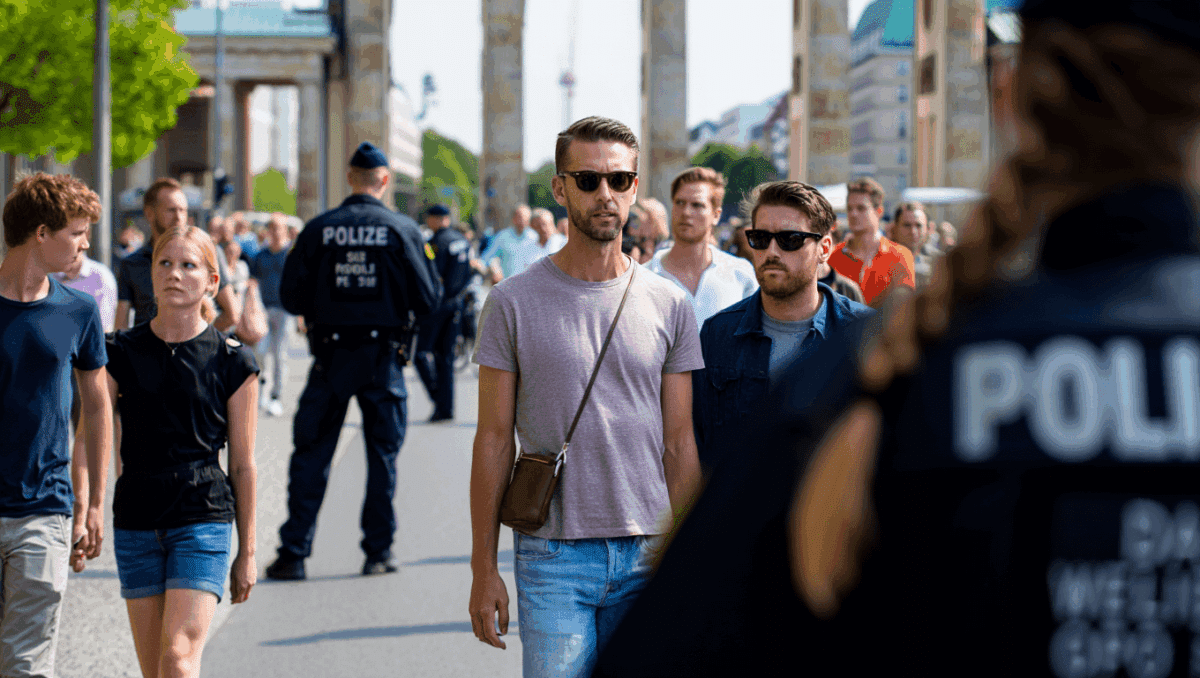
There is a growing sense of unease around mass events. Organizers, vendors and attendees plan with contingency in mind: extra checkpoints, heavier surveillance, and costly insurance. The result is a public sphere that feels supervised rather than communal.
High-profile incidents have made caution a default. Even when threats prove false, the disruption is real: crowds are held back, schedules are rearranged and a mood of anxiety replaces the spontaneous cheer that once defined many celebrations.
The attacks that have changed public life
Several violent incidents over the past year have eroded confidence in public safety. Each attack carried a different motive and method, but together they amplified a sense of vulnerability across German cities and towns.
- August 2024, Solingen: A lethal assault at a local anniversary festival left three people dead and wounded many others, shattering the sense of security at community celebrations.
- December 2024, Magdeburg: A vehicle plowed into a Christmas market, killing six people and injuring hundreds—an attack that struck at one of Germany’s most cherished seasonal traditions.
- February 2025, Munich: A driver rammed into a trade-union demonstration, killing a mother and her child and injuring dozens, turning a political gathering into a crime scene.
- Late 2024, Berlin power-sabotage: An assault on electricity infrastructure triggered widespread blackouts affecting tens of thousands of households, disrupting transit, medical care and emergency communications for days.
These events have not only caused loss of life and lasting trauma for victims and first responders, they have also changed how people think about being together in public.
How security measures and rules are reshaping public culture
Authorities have responded with visible security upgrades and new regulations intended to prevent further attacks. At the same time, broad public-order laws, smoking bans, and stricter alcohol controls have tightened the rules for communal spaces.
- Access controls and bag checks are becoming standard at fairs and festivals.
- Insurance premiums and security costs have surged, squeezing small organizers and volunteer-run events.
- Regulatory compliance—permits, barriers, and policing—adds complexity that many local organizers cannot absorb.
For many event producers, the arithmetic no longer adds up. The price of keeping an event open can be higher than the revenue it generates, forcing cancellations or radical downsizing.
Events canceled and the economic toll on traditions
Across the country, a long list of canceled gatherings reads like a map of what is being lost:
- Local spring fairs that once anchored community calendars
- Flea markets that provided income for small sellers
- Cultural festivals, such as cherry-blossom celebrations, that attracted tourists and locals alike
These cancellations carry financial consequences for vendors, entertainers, and municipal budgets that rely on tourism. Fair operators—whose livelihoods depend on seasonal turnover—describe the current moment as an existential threat to their businesses.
The fading spontaneity of big festivals
Even Germany’s largest gatherings have felt the strain. Oktoberfest, an economic powerhouse with multi-billion-euro turnover, came under threat last season after a publicized confession of intent appeared online. Officials treated the warning seriously, and the festival timeline and logistics were altered to prioritize safety.
The response was logical, but the effect was unmistakable: a historically jubilant event that once moved with the rhythms of the crowd now proceeds under heavy watch, with spontaneous celebrations much diminished.
Political violence is not monolithic—and the impact is widespread
While several recent attacks involved Islamist perpetrators, the disruption has come from different quarters. The Berlin power-sabotage showed how far-left militancy can also upend daily life, leaving commuters stranded, medical patients at risk and schools closed. Terrorism, political sabotage and lone-actor violence all converge to make public life more precarious.
The risk landscape is diverse—and so are the pressures it places on democratic societies.
Balancing safety, liberty and the future of public space
Security is essential, and no one advocates for recklessness. But there is a growing worry that the official response may help entrench a society defined by fear: fewer gatherings, more rules, and a public realm hollowed out by precaution.
When the state’s security approach becomes the baseline for everyday life, traditions and communal bonds can erode. Public events are where civic identity is performed and passed on; every cancellation chips away at that shared culture.
Citizens, organizers and policymakers face a difficult task: protect people without surrendering the spontaneity and openness that define public life.
The next steps for communities and leaders in Germany
Reclaiming safe, vibrant public spaces requires a mix of practical and civic responses:
- Invest in targeted security measures that protect without suffocating events.
- Support small organizers through subsidies or centralized security resources to reduce prohibitive costs.
- Encourage transparent risk assessments and community involvement in safety planning.
- Recognize and address the psychological impact on residents, victims and first responders through long-term support.
These steps aim to restore confidence while preserving the cultural life that makes public gatherings meaningful.
Sabine Beppler-Spahl is the Germany correspondent for spiked.
You might also like:
- Islamism is a growing threat to German public life
- New Year’s Eve celebrations decline as traditions fade
- Germany free potato giveaway explained: why so many are being handed out
- Friedrich Merz exposed by Iran as dithering technocrat
- Islamo-left gains influence in Berlin

Robert Johnson is a dedicated columnist focusing on political and social debates. With twelve years in editorial writing, he provides nuanced, well‑argued perspectives. His commentaries invite you to form your own views and engage in critical issues.


I remember Oktoberfest vibes, joy in the air. Now fear sneaks in, shadows the party. Securitys crucial, but joy feels caged. Hope these threats fade, culture revives. Stay strong, Germany.
I feel ya, mate. Oktoberfest used to be all about good vibes and endless joy. Now, its like joys on lockdown, overshadowed by fear and security checks. Hopin for brighter days ahead, where the culture can shine again. Stay strong, Germany, were rootin for ya!
As a skeptical traveler, hearing about Germanys wave of terror attacks hits close to home. Its a reminder of how fragile public gatherings feel nowadays. How can we balance security without losing our freedom and unity?
Man, feel like were living in a movie with all these attacks and threats. Public gatherings in Germany? More like public anxiety hour. How are we supposed to carry on traditions when everythings so fragile?
Dude, I hear ya. Its like were stuck in some crazy apocalyptic flick, aint it? Public anxiety hour, more like public paranoia overload. But hey, we gotta find a way to keep those traditions alive, right? Maybe we can add a plot twist or two, make it a blockbuster of resilience. Who knows, we might just surprise ourselves.
Man, its like every time you turn on the news, theres another attack or threat. Public gatherings used to be about community, now they feel like walking on eggshells. Hope things can get better soon.
Man, these attacks in Germany got me on edge. Its like you cant even gather in peace anymore. Wonder how this mess will reshape our traditions. Stay safe out there, folks.
Man, whats up with all these terror attacks in Germany lately? Its like public events are turning into a minefield. Cant even gather without looking over your shoulder. Hope things get sorted out soon.
Man, its been a wild ride in Germany lately, huh? Its like you gotta have eyes in the back of your head just to go out and enjoy a public event. Its a crazy world were living in. Lets hope they figure this mess out soon.
Man, its like were walking on eggshells these days. Germany used to be all about joyous gatherings and festivals. Now, with the constant threat of terror attacks, everything feels fragile. Its a harsh reality check.
Man, this whole situation in Germany got me thinking about that time I went to a fest there. Its sad seeing public gatherings feeling so fragile. Hope they can find ways to keep people safe without losing the spirit of togetherness.
As a concerned citizen, I cant help but feel the tension rising. Its like a storm cloud hanging over public gatherings. Security measures are necessary, but its a shame how theyre reshaping the cultural landscape.
A concerned citizen: Man, its tough seeing Germany in this state. Used to feel safe in public gatherings, now its all fragile. Hope things get better soon. Safety matters, but so does our sense of community.
Man, these threats in Germany got me on edge. Public gatherings feel like walking on thin ice. Hope they tighten security without suffocating the chill vibes. Stay safe out there, folks.
Man, its like every time you turn on the news, theres another headline about terror attacks. Germanys public gatherings feeling shaky nowadays. Hope folks stay safe and strong through these tough times.
Dang, its like a horror movie on repeat, innit? Cant even watch the news without fearing the next headlines gonna be a gut-wrencher. Germanys vibes on edge, huh? Hope peeps stick together and push through these rocky roads. Stay safe out there, yall.