
Show summary Hide summary
- What these AI glasses do and how they interact with users
- Testing results and user reactions from home trials
- Key technical details people should know
- Examples of tasks the AI has been trained to support
- Recognition, funding and plans for rollout
- Voices from users and dementia experts
- Considerations for caregivers, clinicians, and commissioners
- Next steps in development and broader implications for dementia care
A UK startup has unveiled wearable AI eyewear designed to help people living with early-stage dementia carry on with everyday tasks. The smart glasses identify objects, offer step-by-step visual prompts on the lenses and speak gentle guidance through an AI companion, aiming to preserve independence at home.
The device attracted attention during home trials and from an expert judging panel, and the company now expects a UK release in early 2027. Early user feedback and prize recognition have positioned the project as one of the most promising assistive technologies for dementia in recent years.
What these AI glasses do and how they interact with users
The Growing Demand for Data-Driven Decision Making in Silicon Valley
He quit, ran out of money, and begged to come back — here’s how his boss reacted
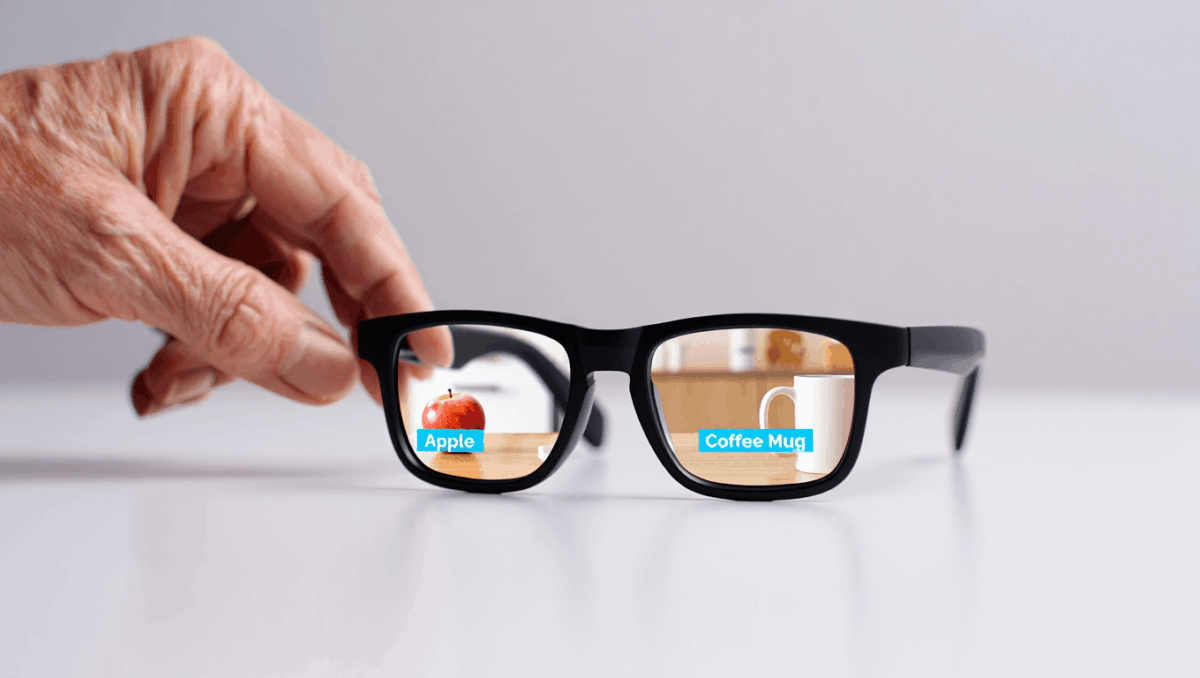
The glasses combine a camera, edge AI and an on-device display that projects short visual cues onto the lens. An AI assistant—branded as Wispy—listens, answers questions and prompts the wearer through routines they might otherwise forget.
- Object recognition: the system identifies familiar items in the wearer’s environment and labels them visually.
- Step guidance: Wispy can narrate or display the next step when a person gets stuck during an activity.
- Personalized learning: by asking simple, clarifying questions, the AI adapts to an individual’s habits and preferences over time.
This approach is intended for people in the early stages of cognitive decline, helping them regain confidence with tasks such as preparing food, dressing, and household chores while remaining in a familiar setting.
Testing results and user reactions from home trials
During pilot studies, most participants reported meaningful improvements in daily life. Around three in four trial users said the glasses made a significant positive difference to their routine and well-being.
Care partners and clinicians also noted that the device reduced the need for constant supervision during simple activities, allowing family members and caregivers to focus on higher-level support when needed.
Key technical details people should know
The product was engineered to integrate with existing aids and routines. Important specs include:
- Lightweight design: the frame weighs under 75 grams (about 3 ounces) and accepts prescription lens inserts.
- Compatibility: the glasses are designed to work alongside hearing aids.
- Battery life: an internal battery supports roughly one hour of continuous use, with the option of an external power bank to extend operation throughout the day.
- Activity library: engineers trained the AI on dozens of common daily tasks so the system can suggest context-aware prompts.
Examples of tasks the AI has been trained to support
The development team spent more than a decade refining the app and hardware, exposing the system to routine actions and everyday items so it could learn natural sequences. Examples include:
- Making a hot drink safely
- Putting on clothes in the correct order
- Managing simple household chores
- Interacting with visitors and family members
- Watering or caring for houseplants
Recognition, funding and plans for rollout
Earlier this month the company behind the eyewear won a major innovation prize focused on dementia care: the Longitude Prize on Dementia, funded by prominent UK organizations. Judges described the solution as a game-changing assistive technology with the potential to reshape daily life for people living with cognitive impairment.
CrossSense, the London-based team, says it aims to make the glasses available through local authorities, care providers and hospital memory clinics across the UK, targeting an initial launch in early 2027.
Voices from users and dementia experts
A participant in the trials, a 70-year-old founder of a dementia support group, said the technology felt like practical, reliable help that could offset the specific cognitive skills lost as conditions progress. She described the device as offering hope for maintaining a larger, more connected life at home.
Researchers and charity representatives praised the system’s capacity to provide personalized, anticipatory support. One expert noted that tools which reduce day-to-day friction and give families reassurance could extend the time people remain independent in their familiar surroundings.
Considerations for caregivers, clinicians, and commissioners
Adopting assistive AI eyewear raises practical questions that care organizations will need to address:
- Who will fund and distribute the devices—local authorities, NHS memory clinics or private providers?
- How will clinicians integrate the technology into care plans and training for family caregivers?
- What safeguards will be required to protect users’ privacy while capturing environmental data?
CrossSense emphasizes the device is intended to complement, not replace, human care—offering routine, contextual help that lets carers concentrate on emotional support and complex decision-making.
Next steps in development and broader implications for dementia care
With further refinement and wider trials planned, the team hopes the glasses will become a scalable tool for preserving independence. If widely adopted, the technology could change how memory clinics, care providers and families approach day-to-day support, shifting more routine assistance toward intelligent, wearable guidance.
You might also like:
- The Future of AR Eyewear? Ray-Ban Display’s Neural Interface Might Be Game-Changer
- Smart keyboard for Parkinson’s patients wins 2025 James Dyson global award
- World’s first arm exoskeleton helps stroke patients regain independence
- Soft exoskeleton shirt helps the wearer lift 35 pounds while weighing under 2 pounds
- Meat linked to lower dementia risk in seniors, study finds

Michael Thompson is an experienced journalist covering U.S. and global news. With ten years on the front lines, he breaks down political and economic stories that matter. His precise writing and keen attention to detail help you grasp the real‑world impact of every event.


Man, these AI glasses for dementia patients are like something out of a sci-fi flick! Imagine having your world explained through your lenses. Its like a personal guide 24/7. Cant help but wonder how these glasses could change the game for patients.
These AI glasses for dementia patients sound straight out of a futuristic flick, man! Its like having a personal 24/7 guide right in front of your eyes, explaining your world. Can you imagine the game-changer this could be for patients? Hmm, makes you wonder how technologys shaping our reality, doesnt it?
These AI glasses for dementia got me thinking about my granny—she used to mix up her glasses with the sugar jar. If tech can help folks like her, why not give it a shot? Just hope its not too confusing for her though.
Man, these AI glasses for dementia patients… Imagine having your own personal assistant right on your face. Thats some next-level tech, like having a sidekick in a superhero movie! Its like Hey glasses, where did I put my keys? and bam, problem solved!
I once saw my granny struggle to recognize her glasses. These AI glasses couldve helped her lots. Hope they reach folks in need soon. Tech for good, you know?
Man, I hear you. Its tough seeing loved ones struggle, especially with something as simple as glasses. Tech stepping in to lend a hand? Pretty cool stuff. Hope these AI glasses make their way to those who really need em soon. Gotta spread that tech love, right?
Man, these AI glasses for dementia patients are like having a personal guide stuck to your face! Its like a real-life cheat code, helping folks recognize objects. Such a cool innovation to lend a hand in daily tasks.
So, these smart glasses are like your personal sidekick, huh? Cant help but wonder if theyll start giving fashion advice next! But hey, if theyre helping out with daily stuff, cant knock that hustle. Who knows, maybe next theyll be reminding you when its taco Tuesday!
Man, AI glasses for dementia sound like a game-changer! Reminds me of that sci-fi flick where they had all those futuristic gadgets. Hope this tech helps those in need, yknow?
Oh, imagine the possibilities! These AI glasses for dementia sound like something out of a sci-fi flick. Hope they truly help patients recognize objects. Can they also remind me where I left my keys?
My grandma wouldve loved these AI glasses. Wouldve saved her from calling the toaster that metal thingy every morning. Cool to see tech helping folks with dementia. Hope they make it affordable for everyone who needs it.
Man, your grandma sounds like a hoot! Imagine her rocking those AI glasses, no more toaster confusion! Tech coming through for the win. Hopefully, they dont slap a crazy price tag on those bad boys. Everyone deserves a shot at some high-tech help, right?
Man, these AI glasses for dementia patients are like something out of a sci-fi flick, right? Helping folks recognize stuff through lens labels, thats some next-level tech. Hope it brings joy and ease to those who need it most.
Man, these AI glasses for dementia sound like something out of a sci-fi movie! Can you imagine the world through those lenses? Its like having a personal digital assistant right in your specs. Pretty cool tech!
My grandma wouldve loved these AI glasses! She used to mix up objects towards the end. Its like having a helpful buddy by your side, ready to whisper hints. Can they make one for me, but for finding lost keys?
Ai, these AI glasses sound like a real game-changer! Your grandma sounds like a gem, mixing up objects like a pro. A buddy in your corner, helping out with those sneaky keys? Now thats a genius idea! Imagine the possibilities… Finding your keys in a flash, thanks to some high-tech wizardry. Count me in for a pair of those!
Oh, these AI glasses for dementia sound like something out of a sci-fi flick! Can you imagine being able to see labels for everything right in front of your eyes? Thats some next-level tech right there!
Oh, imagine Grandma rockin those futuristic AI glasses! Shed be like a cool spy from the movies, but with a twist. Hope these tech wonders bring a smile to those battling dementia. Its the little things that count in the end, right?
Oh man, Grandma with those snazzy AI glasses? That’d be a sight to see! Imagine her slyly decoding the world like a secret agent, but with that classic grandma charm. You’re right, those little tech wonders have a way of brightening up even the toughest battles. Its all about those small moments that truly make a difference, aint it?
My grandma wouldve loved these AI glasses for dementia. She used to mix up objects all the time. Wonder if theyll help her finally stop calling the remote the magic wand. Cool tech, though.