
Show summary Hide summary
- What the BBC aired and the claim of manipulation
- How the editing changed the story
- Why this matters for journalism and public broadcasting
- What the internal dossier found beyond the Trump footage
- Responses and the BBC’s silence
- The broader fallout for public trust and media standards
- Questions the BBC now faces
- About the writer
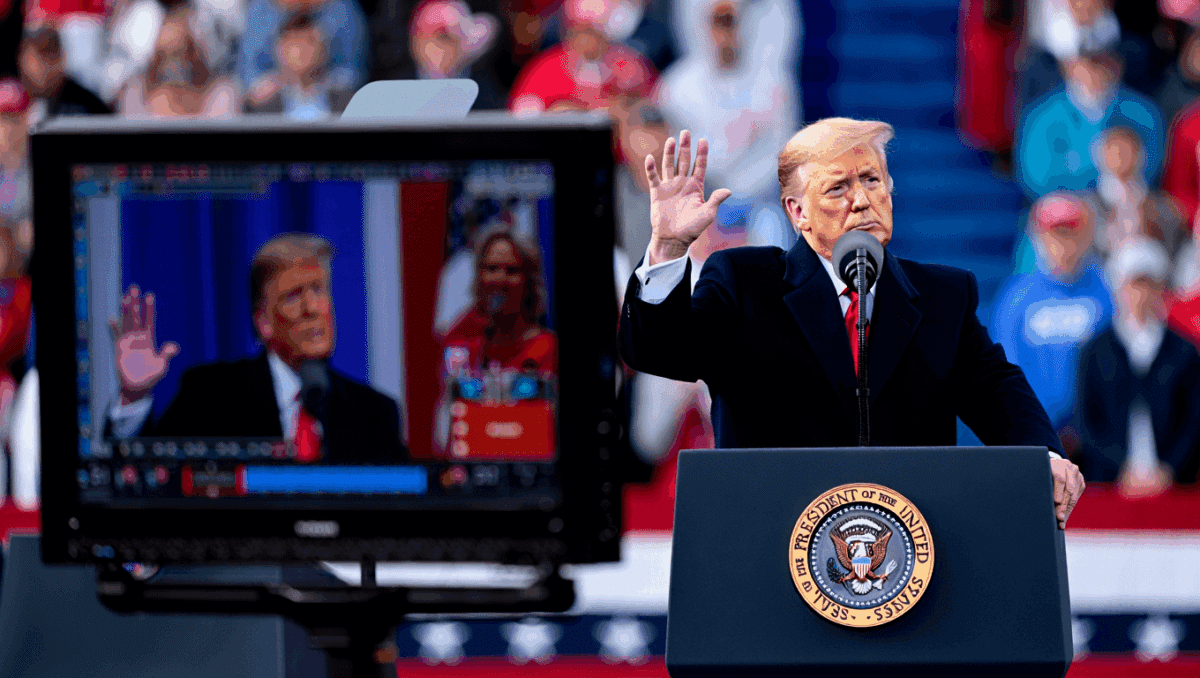
The BBC is facing fresh accusations that it deliberately edited President Donald Trump’s remarks from January 6, 2021, to create a far more incendiary narrative than the original footage supported. The controversy centers on a high-profile Panorama segment that, according to an internal dossier, stitched separate comments together to imply Trump urged supporters to march on the Capitol and “fight like hell” immediately after a call for a peaceful protest.
That allegation, if true, is more than a single production error. It strikes at the heart of public trust in a broadcaster long regarded as a global standard for impartial journalism. The internal critique raises questions about editorial judgment, institutional bias, and the BBC’s role as a public service broadcaster during a fraught election season.
What the BBC aired and the claim of manipulation
The Growing Demand for Data-Driven Decision Making in Silicon Valley
He quit, ran out of money, and begged to come back — here’s how his boss reacted
The heart of the dispute involves a Panorama episode broadcast shortly before the 2024 U.S. presidential election. The program showed footage suggesting Mr. Trump told his supporters on January 6 that he would join them and urged them to “fight like hell.” The new dossier, compiled by a former member of the BBC’s standards committee, says that representation is inaccurate: the sequence shown was created by combining remarks made nearly an hour apart.
- Footage allegedly assembled two separate statements from Trump: one calling for a “peaceful and patriotic” march to the Capitol and another, nearly 54 minutes later, where he used the phrase “we fight.”
- The Panorama edit is said to have removed context and added dramatic music, intensifying the impression that Trump incited violence at the rally.
- The dossier calls the montage a deliberate editorial choice that misled viewers about the timeline and tone of the president’s remarks.
How the editing changed the story
According to the document, the BBC did not merely excerpt parts of a speech; it rearranged them. What would otherwise be two distinct comments — one urging peaceful action, the other later expressing defiance — were presented as a continuous call to arms. That editorial decision, critics say, blurred the line between reporting and narrative construction.
Context matters when quoting public figures, legal analysts and journalism ethicists note. By collapsing separate moments into a single apparent statement, the broadcast risked misrepresenting intent and inflaming public sentiment at a politically sensitive moment.
The role of audio and music
Beyond the cut-and-paste editing, the program reportedly layered ominous music beneath the spliced footage. Media experts argue this is a classic technique for shaping emotional response: soundtracks can transform neutral words into perceived threats or heroism depending on how they’re applied. The dossier flagged the use of music as part of a broader pattern of editorial choices that steered viewers toward a specific interpretation.
Why this matters for journalism and public broadcasting
Whether you agree or disagree with Mr. Trump’s politics, the central concern here is accuracy and fairness. Public trust in legacy media is fragile; when a major outlet is accused of fabricating chronology or context, the consequences are institutional rather than partisan.
- Credibility risk: Misleading edits undermine the BBC’s reputation for impartial reporting.
- Political impact: The program aired near a major election, amplifying concerns about influencing voter perceptions.
- Institutional hypocrisy: The scandal is especially damaging because the BBC positions itself publicly as a bulwark against misinformation.
What the internal dossier found beyond the Trump footage
The 19-page dossier surfaces additional criticisms of BBC coverage across several contentious beats. It alleges bias and editorial lapses in other areas, suggesting the problem is not an isolated mistake but part of a broader pattern.
- Alleged slant in coverage of the Israel-Hamas war, particularly within BBC Arabic, where critics say reporting has shown a sustained tilt.
- Claims of marginalizing gender-critical voices in discussions about transgender issues, described by the dossier as “effective censorship.”
- A broader institutional alignment with progressive elites that, according to the report, can skew which perspectives are amplified and which are sidelined.
Responses and the BBC’s silence
So far, official reaction from the BBC has been muted. The corporation’s fact-checking arm, BBC Verify, has not published a public rebuttal addressing the specific montage allegations. That silence has only intensified scrutiny from critics who argue the broadcaster must explain editorial decisions to maintain trust.
Inside and outside journalism circles, observers are calling for transparency: detailed timelines, edits logs, and an account of why certain cuts were made. Without that openness, suspicion fills the vacuum.
The broader fallout for public trust and media standards
This episode feeds into a wider debate over how major outlets cover polarizing figures and events. If reportage is perceived as pre-judging or shaping narratives rather than documenting them, audiences may turn away or only consume media that confirms their beliefs.
Potential consequences include:
- Increased skepticism toward mainstream news organizations.
- Calls for independent reviews or external oversight of public broadcasters.
- Pressure on editorial leadership to revise standards and retrain teams on context, sourcing, and the ethical use of editing.
Questions the BBC now faces
At the center of this controversy are straightforward demands for accountability. Viewers deserve to know how and why editorial decisions were made, whether internal safeguards failed, and what steps will be taken to prevent similar lapses.
- Will the BBC publish a full account of the Panorama episode’s production and editorial review?
- Will the standards committee investigate and make findings public?
- How will the corporation reconcile its anti-misinformation messaging with allegations that it manufactured a misleading sequence?
About the writer
Brendan O’Neill is a political columnist and presenter associated with spiked. He hosts The Brendan O’Neill Show podcast and has written on contemporary culture and politics. His recent book addresses the aftermath of the October 7 events and broader civilizational tensions; titles and purchase links are available through major retailers. Follow his commentary via social media channels for updates and episodes.
You might also like:
- BBC crisis: why centrists are so upset and what it means for UK politics
- BBC accused of serving as Hamas propaganda arm
- BBC accused of gaslighting public over trans coverage
- BBC losing trust and viewers across the UK
- BBC bias: decades-long history of controversies and impartiality concerns

Robert Johnson is a dedicated columnist focusing on political and social debates. With twelve years in editorial writing, he provides nuanced, well‑argued perspectives. His commentaries invite you to form your own views and engage in critical issues.


Mate, BBCs bias aint no news flash. They could make a hamster look like a villain. But hey, aint we all just puppets on their show? Gotta question what we swallow.
Man, BBCs got some editing skills, huh? Cant help but wonder if its all about shaping the narrative. But hey, who am I to judge? Just a curious soul navigating this media maze.
Man, I remember when BBC was all about sippin tea and crumpets. Now theyre stirrin up drama with Trump? Cant trust anyone these days. Whats next, Queen Elizabeth in a rap battle?
Remember when BBC was all about tea and biscuits, not stirring political pots? Seems like theyve traded in crumpets for controversy. Wonder if theyll ever get back to their roots!
Man, the BBCs like that friend who always spins stories to make themselves look better. Editing audio, adding music – whats next, a laugh track? Trusts gotta start with truth, man.
I remember watching the playback, feeling like they were pulling strings in a puppet show. Cant trust the media orchestra these days. The BBCs playing a dangerous tune with biased editing.
Man, I hear ya! Its like were watching a twisted version of The Muppet Show, where Kermits the only one keeping it real. The medias playing a dangerous game, editing like theyre auditioning for a drama series. Gotta stay sharp and question what were fed, right?
Man, the BBCs like that friend who always tries to spin a story to suit their agenda. But, hey, isnt journalism supposed to be about truth, not about who can manipulate the narrative better? Just sayin.
Totally get what youre saying, mate. The Beeb does love a good spin, dont they? Its like theyve got a secret mission to keep us on our toes with their storytelling acrobatics. But hey, you hit the nail on the head – journalisms all about unearthing the truth, not crafting a fancy fairy tale. So, BBC, are you spinning yarns or keeping it real? Just throwin it out there.
Man, BBCs always in hot soup! Biased against Trump? Everyones got an angle, right? But medias power is no joke; gotta keep em honest for real news. Trust is on the line.
Mate, the BBC bias? Thats like the oldest story in the book! Its like watching a soap opera with political twists. Are we even surprised anymore? Time for some fresh reporting, BBC!
Man, BBC playing with fire! Their coverage of Trump is like a rollercoaster. Editing twists the story, audio tricks emotions. We rely on them for truth, so bias aint cool!
Mate, tell me bout it! BBCs got me feeling like Im on a rollercoaster with their Trump coverage. One minute its all twistin and turnin edits, next its like theyre playin with my emotions through the soundwaves. Were lookin to em for the real deal, not some biased spin, right? Its like tryna navigate a maze blindfolded with these guys!
Man, the BBCs like that friend who always edits their stories to sound cooler. But when its news, thats a whole different level of shady. Cant trust anyone these days, not even Auntie Beeb.
As a skeptical critic, I aint surprised by the accusations. Editing is a slippery slope, but bias? Thats a whole other game. BBC gotta step up their transparency if they wanna keep that public trust intact.
Mate, BBCs always up for a bit of controversy, innit? But hey, who aint these days? Just hope they sort out their editing game, or its gonna be more drama than Love Island on that telly.