
Show summary Hide summary
- Why officials sent a nationwide wildfire alert
- Who is hurt by blanket emergency notifications
- Why people see this as government overreach
- When a true national alert is justified
- Practical fixes and safeguards to consider
- How citizens are responding — and what that means for public safety
- Who benefits from the national-alert debate
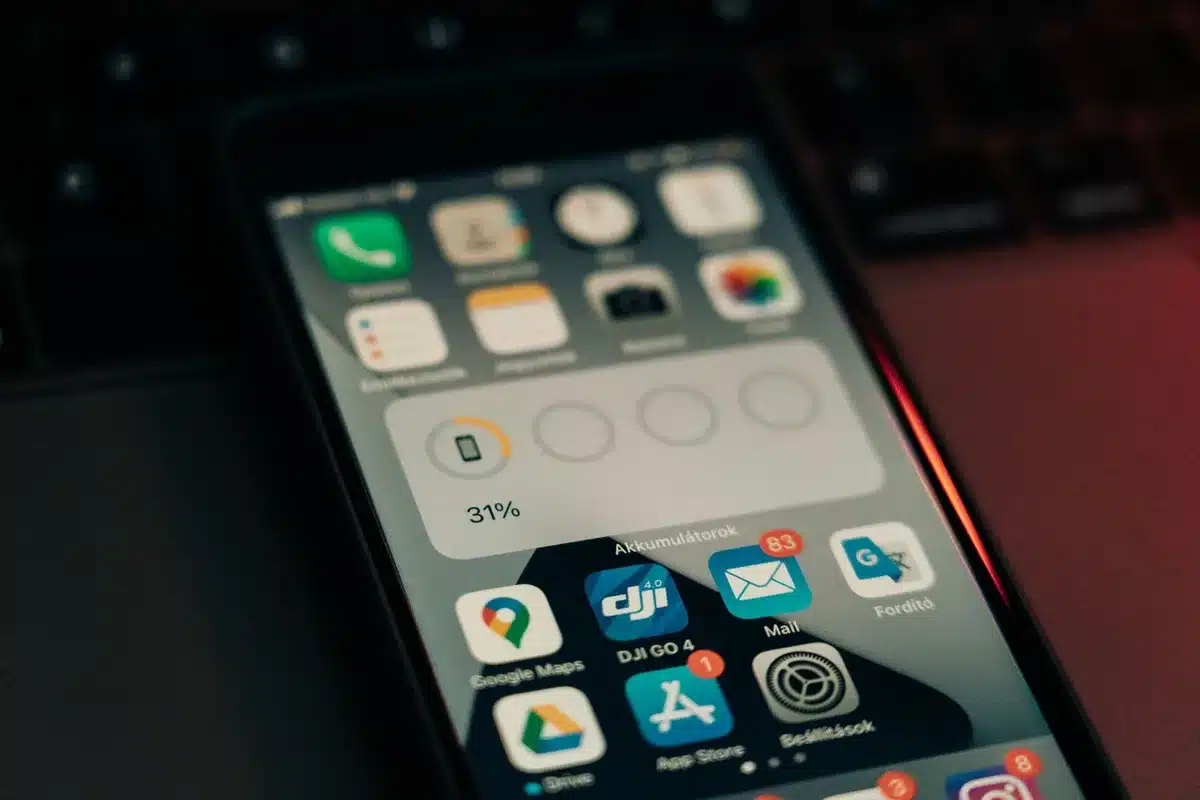
On a warm Friday evening, phones across the country erupted with a blaring emergency alert about wildfires. The tone was abrupt, the timing inconvenient, and the message left many wondering whether this was necessary — or even sensible. Within minutes I had a text from a friend asking why the government had nearly caused a car accident to warn people about teens setting fires. That reaction captured the confusion felt by millions.
The alert system is new and powerful: it can override silent mode and force a sound that’s impossible to ignore. That capability is useful in true catastrophes, but its deployment for seasonal blazes has reignited a debate about government reach, public safety, and when it’s appropriate to interrupt the whole nation.
Why officials sent a nationwide wildfire alert
The Growing Demand for Data-Driven Decision Making in Silicon Valley
He quit, ran out of money, and begged to come back — here’s how his boss reacted
Authorities argued the message was intended to prevent accidental fires during a hot, dry spell. Wildfires do occur in the U.K. every year, and local officials often request public caution. Still, using the new national emergency alert to reach 87 million devices — and to ban disposable barbecues on the same day a senior politician visited damaged buildings — felt more like a show of force than targeted safety communication.
There are practical reasons governments want this tool. A system that broadcasts to every phone can reach people who don’t follow the news, don’t use social media, and might otherwise be unaware of immediate dangers. But critics question whether common seasonal hazards meet the threshold for a nationwide alarm.
Who is hurt by blanket emergency notifications
Instant, loud alerts can have unintended and personal consequences:

- Survivors of domestic abuse who carry secret devices risk exposure if an intrusive alarm betrays their location or plans.
- Shift workers and night staff may be jolted awake, increasing fatigue-related risks and stress.
- Drivers who receive a sudden, startling beep while behind the wheel might be distracted — creating new safety hazards.
- People who depend on uninterrupted quiet for medical or mental health reasons can suffer serious disruption.
Because of these issues, many users are already turning off the alerts in their phone settings, which defeats the system’s purpose. When alerts become routine or feel politically convenient, people will learn to ignore or disable them.
Why people see this as government overreach
For some, the episode confirmed a deeper suspicion: that once the state gains a new capability, it will keep expanding its use. Emergency communication tools are intended for true crises — think incoming missiles, major earthquakes, or rapidly spreading disasters — not routine seasonal cautions. The concern is that thresholds will erode and the tool will be used for messages the public finds trivial or intrusive.
That anxiety is shaped by recent history. During the pandemic, many citizens felt government messaging overstepped into everyday life. The wildfire alert reinforced a pattern for critics: a powerful system introduced during a crisis remains in place and is later pressed into broader service. People worry that the same mechanism could be used to nudge behavior on topics like heating choices, diet, or cost-of-living guidance — turning emergency channels into political megaphones.
When a true national alert is justified
Not every dangerous event needs a countrywide alarm. A sensible threshold would reserve this channel for scenarios in which immediate mass action can save lives and there is no reliable alternative to reach the entire population fast. Examples might include:
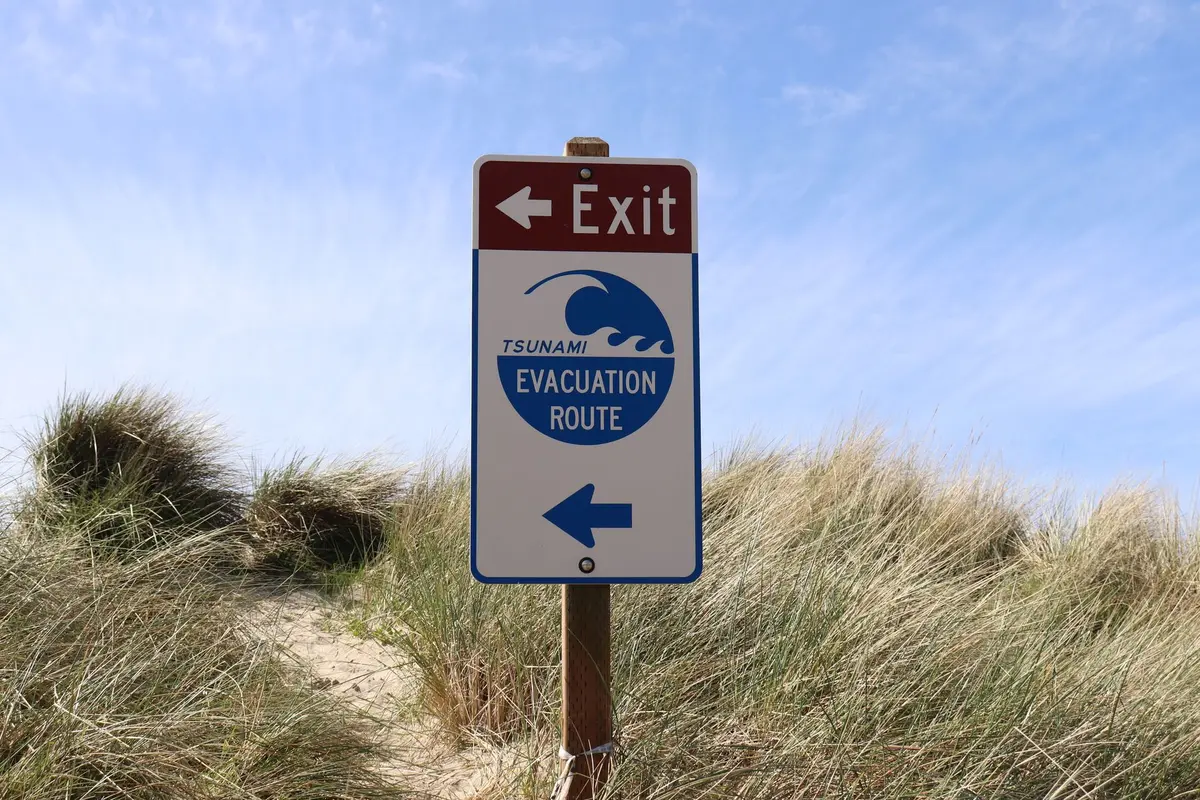
- Imminent impact from a large-scale natural disaster (e.g., a tsunami or major earthquake)
- A confirmed incoming missile strike targeting civilian areas
- A fast-moving hazard that affects broad regions with no time for local warnings
For the many other hazards — including localized wildfires — regional alerts, targeted broadcasts, and traditional media may be more proportionate. Using less disruptive channels preserves the national alert for moments when it truly matters.
Practical fixes and safeguards to consider
There are technical and policy solutions that could reduce harm while keeping a powerful tool available when needed:
- Define clear legal thresholds for national alerts with independent oversight.
- Limit the system’s use to events that threaten immediate life and safety across wide areas.
- Improve targeting so notifications reach only affected regions rather than the entire country.
- Build exemptions and options for vulnerable people (e.g., silent but visible alerts for those at risk).
- Increase transparency: publish logs of when and why the system was used.
These measures could restore public trust and ensure the alert mechanism is seen as a safety tool rather than a routine government broadcast system.
How citizens are responding — and what that means for public safety
Following the wildfire message, many users disabled their alerts. That reaction is predictable: when people feel an intrusive system is misused, they protect themselves. But that creates a paradox — if enough people opt out, fewer will receive warnings in a genuine emergency.
There’s also the social side. The national alarm is meant to capture those who don’t follow traditional news, but it can alienate those who do. Trust matters: the better officials explain why a mass notification is necessary and how it’s limited, the more likely people will accept it. Without that trust, the system risks becoming both ineffective and resented.
Who benefits from the national-alert debate
The discussion isn’t just about technology; it’s about the balance between public safety and personal autonomy. Emergency tools are valuable when used sparingly and transparently. Overuse corrodes credibility. Citizens, journalists, and policymakers all have a role in holding authorities accountable for how and when these tools are deployed.
Christopher Snowdon is director of lifestyle economics at the Institute of Economic Affairs and co-host of the podcast Last Orders, which discusses nanny-state policies and public freedom issues.
You might also like:
- Google Transforms 2 Billion Smartphones: A New Global Earthquake Alert System Unveiled!
- Wildfire sprinkler system for homes detects flames, may lower homeowners’ insurance
- Halloween decorations spark repeated fire department calls to one home
- AI-generated NWS map hallucinates fake towns in Idaho
- Farmworkers rescue 20 children from burning school bus in California

Robert Johnson is a dedicated columnist focusing on political and social debates. With twelve years in editorial writing, he provides nuanced, well‑argued perspectives. His commentaries invite you to form your own views and engage in critical issues.


Mate, the priorities of the British state are all over the shop. Sending wildfire alerts while folks are still scratchin their heads over the last one? Sounds like a comedy sketch, not governance. Priorities, people, priorities!
Oy, mate, couldnt agree more. Its like theyre playing catch-up with Mother Nature, innit? One fire alert after another, keeping us on our toes. Feels like a sitcom plot, not real life! Priorities need a bit of a rejig, dont they? Gotta get our act together, peeps!
Mate, this whole wildfire alert fiasco just shows how backwards the priorities are. Why waste resources on blanket notifications when there are real issues to tackle? Government needs a reality check, pronto!
Oh mate, tell me about it! Its like theyre playing Jenga with our nerves – pulling out one block at a time. Youd think theyd focus on the fires blazing rather than our phones lighting up like a Christmas tree. Priorities, right? Someone needs a reality check, ASAP!
Man, its like theyre playing a game of Government Gone Wild with these priorities. Sending out wildfire alerts when were knee-deep in other chaos? Makes you wonder whos really calling the shots.
Mate, this wildfire alert fiasco just shows how the governments got its priorities all twisted. Instead of useful info, we get blanket notifications. Maybe they should focus on real issues, yknow?
Ugh, mate, tell me about it! Governments be out there like, Oh, lets hit em with some generic notifications instead of actually helping. Its like theyre playing a real-life game of Guess the Emergency. Maybe they should hire a Magic 8-ball for better decision-making, eh?
Mate, its like theyre playing Jenga with our safety priorities. Sending wildfire alerts is grand, but what about real emergencies? Feels like theyre more into quick fixes than long-term plans. Priorities, innit?
Mate, I swear, the British governments got their priorities all twisted like a pretzel. National wildfire alert? Meanwhile, folks out here just tryna pay bills. Maybe they need a reality check, innit?
Man, talk about misplaced priorities! Wildfires raging, people in danger, and what does the British government do? Sends a nationwide alert about it. Like, thanks for the heads up, but maybe focus on, yknow, preventing the fires in the first place? Priorities, people!
Mate, it’s like the government’s playing a game of national Whack-a-Mole. Instead of sorting out real issues, they’re out here sending wildfire alerts nationwide. Priorities, anyone?
Mate, its like watching a comedy show with the government as the lead actor! Priorities seem to be lost in the chaos, huh? Its like theyre out there juggling flaming torches while the real issues are screaming for attention. Fire alerts nationwide? Seriously, wheres the logic in that?
Man, this whole wildfire alert debacle just shows where the governments heads are at. Shouldnt they focus on real issues? People are tired of these blanket notifications. Time to get priorities straight, mate.
Ya ever wonder if officials spend more time textin about wildfires than preventin em? Priorities, man. Maybe they just like the drama. Stay tuned for the next episode of Government Alerts Gone Wild.
I mean, seriously, priorities much, Britain? Wildfires blazing, and they send an alert… about what now? Its like theyre playing SimCity on cheat mode. Next, well get a pigeon messenger service.
I remember when theyd alert us about actual dangers, not just spreading panic! Priorities, people! Its like yelling fire in a crowded theater when someones just lighting a match. Get it together, Britain!
I hear ya, mate! Seems like everyones on edge these days, eh? Back in the good ol days, a real danger meant a real alert. Now its all about those false alarms. Britain needs to sort it out, pronto! Cant be running around like headless chickens over every little spark, can we? Lets hope they find their chill soon, eh?
I tell ya, mate, the priorities are all over the shop! They send alerts for a wildfire but not for things that really matter. Its like theyre playing Jenga with peoples safety. Whats next, alert for a rogue squirrel invasion?
Man, the British government’s like that one friend who always sweats the small stuff, y’know? Sending out wildfire alerts when we need ‘em least. Priorities, dude! Can’t they focus on real issues, for once?
Dude, totally get what you mean! Like, theyre out here sweating the small stuff while the real deals knocking at the door. Its like theyre playing Whac-A-Mole with our priorities, huh? Real talk, they gotta get their act together and focus on what truly matters. Aint nobody got time for these unnecessary alerts when theres bigger fish to fry, am I right?
Mate, this whole wildfire alert mess is like watching a sitcom with the wrong laugh track. Priorities all over the place. Wonder if theyd send a nationwide alert for a missing teacup next. Bloody madness.
Mate, this whole warped government focus thing aint new. They always prioritize the weirdest stuff. Remember when they spent a fortune on that fancy new teapot for the PMs office while schools were falling apart? Priorities, right?
Yeah, mate, its like theyve got a magical ability to mess up priorities left, right, and center! Fancy teapots over crumbling schools? Sounds like theyre playing real-life Sims with our tax money. Who needs education when you can sip tea in style, right? *eye roll*
I mean, is it just me or does it feel like the govs got its priorities all mixed up? Wildfires, emergencies, sure, but a nationwide alert for everything? Sounds a bit much, dont you think?
Dude, I totally get where youre coming from! Its like theyre hitting us with alerts left and right, like, calm down, we get it, emergencies are real, but do we need a siren for every little thing? Feels like they’re on a constant panic mode or something. Like, I cant even remember the last time I heard a normal ringtone, man!
As a skeptical citizen, its no surprise the British state priorities seem off. Wildfire alerts are crucial, but blanket notifications? Seems like a case of overreach. When will they focus on what really matters to us?
Mate, theyre more worried about whats on the telly than real issues? Blimey, priorities are all over the shop. Cant believe theyre sending alerts for everything but forgetting the big stuff. Priorities, innit?
Mate, seriously, sending out a wildfire alert nationwide? Whats next, alerts for rain in Manchester? The priorities need a reset, innit? Give us a break, government, focus on real emergencies!
Mate, its like watching a sitcom where the characters have their priorities all mixed up. Should I be laughing or crying at this bizarre plot twist? Wonder what other surprises are in store from our government circus.
Mate, its like the governments playing Whack-a-Mole with priorities. Sending wildfire alerts when people need housing, jobs, healthcare. Whats next, a pigeon warning? Priorities, people, priorities…
Mate, can you believe the British governments priorities? Sending out wildfire alerts nationwide when there are more pressing issues at hand. Its like theyre playing real-life Sims but with a dark sense of humor. Priorities, people!
Mate, this British governments got its priorities all upside down, innit? Sending nationwide alerts for wildfires when people got more urgent stuff to worry bout. Aint nobody got time for this kind of overreach, focus on what really matters, you know?
Mate, I couldnt agree more with ya! Its like theyre playin a game of lets stress everyone out bingo up there in the government, innit? Priorities all mixed up like a scrambled egg. I mean, come on, focus on the big stuff, like sortin out the mess, not makin us panic over wildfires. Aint nobody got time for that unnecessary drama, mate. Lets keep it real and deal with what really matters, you know?