
Show summary Hide summary
Portugal’s ancient cork industry is quietly reinventing itself, turning a centuries-old craft into cutting-edge, sustainable technology. Once known mainly for wine stoppers, cork is now being engineered into everything from luxury cruise-ship decking to heat shields for re-entry spacecraft — a transformation driven by one family of companies with deep roots in the Iberian landscape.
Corticeira Amorim, whose origins reach back roughly 150 years, has taken the raw bark of cork oak trees and expanded its potential across industries that demand light weight, thermal stability, and renewable sourcing. What began as a regional agricultural tradition has become a global materials story that blends forestry stewardship, industrial-scale innovation, and environmental purpose.
How cork goes from bark to high-performance material
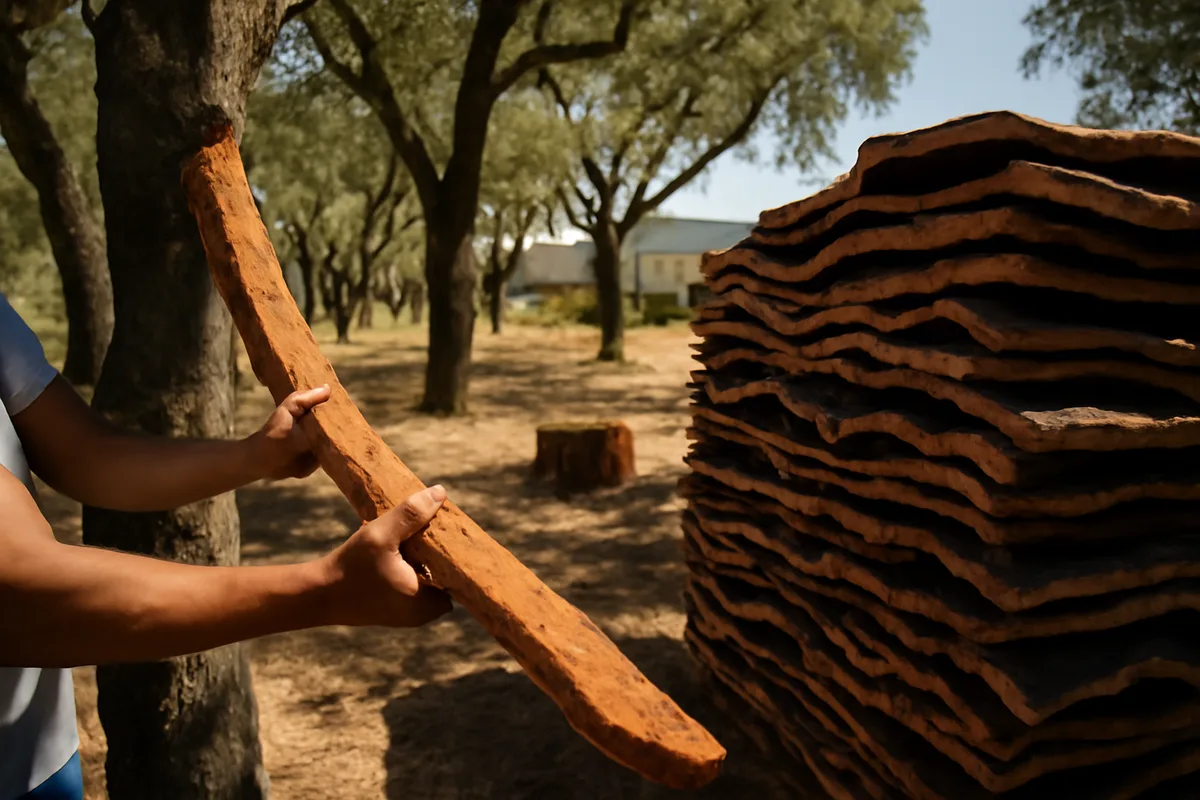
Cork comes from the outer bark of the cork oak, a species well adapted to hot, dry Mediterranean climates. These trees are unusual: the bark regenerates after harvesting, allowing a single tree to be stripped multiple times across its lifespan. At large estates like Herdade Rio Frio — one of the most extensive planted cork oak areas — these “cork forests” produce the raw material used by modern manufacturers.
The Growing Demand for Data-Driven Decision Making in Silicon Valley
He quit, ran out of money, and begged to come back — here’s how his boss reacted
Longevity and harvest cycles
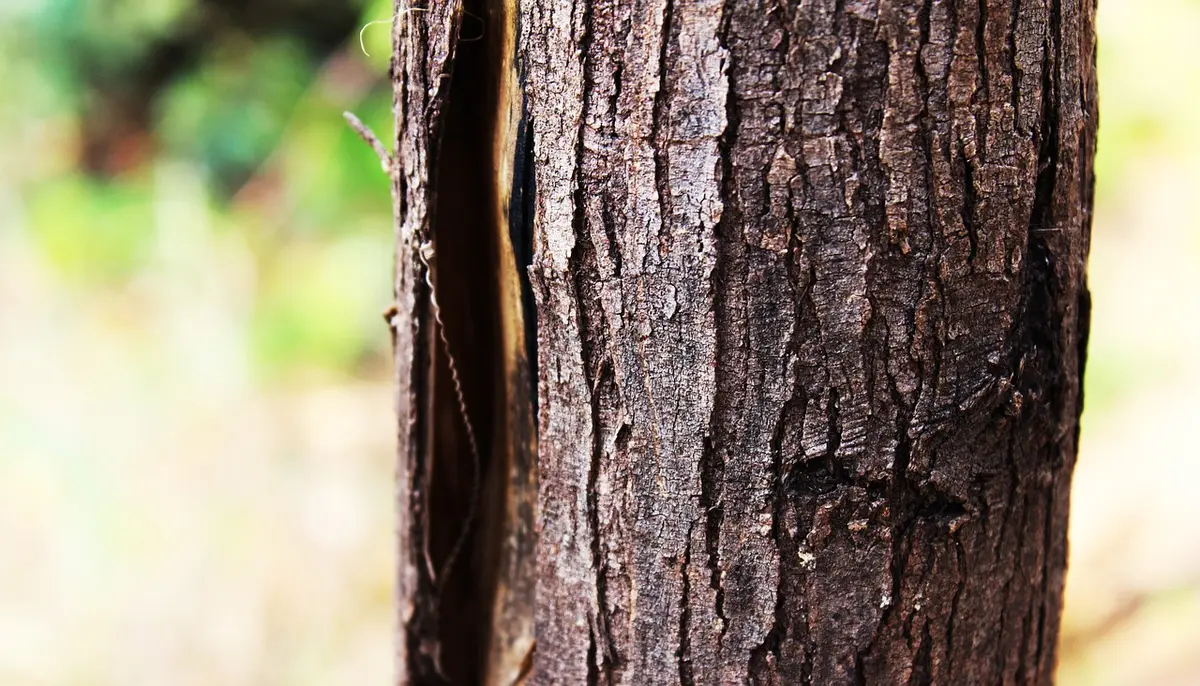
- Cork oaks generally reach maturity around 25 years of age.
- After that, each tree can be harvested repeatedly — typically up to nine times — over many decades.
- Well-managed stands can yield usable bark for close to two centuries, making cork a long-term, renewable resource.
This slow, patient cycle means companies working with cork must plan generations ahead — a mindset that has shaped Corticeira Amorim’s business strategy and its commitment to preserving both forest health and local livelihoods.
From playground turf to space missions: cork’s expanding applications
Corticeira Amorim has broadened how the world thinks about cork by engineering it into dozens of product types. The company employs roughly 4,000 people and generates about €1 billion in annual revenue, turning the humble bark into industrial solutions that few would associate with wine stoppers.
- Marine and architectural uses: Cork composites are used for non-slip, resilient decking on river cruise ships and have been integrated into concrete systems at places like the Lisbon Cruise Terminal.
- Sports surfaces: Granulated cork byproducts serve as an eco-friendly infill for artificial turf, providing natural shock absorption and friction resistance. Clubs with elite training operations have adopted these surfaces for injury reduction and sustainability benefits.
- Oil spill response: Cork’s natural buoyancy and absorption ability led to products such as CorkSorb, designed to capture hydrocarbons on water. The absorbed oil can then be reclaimed for later use.
- Aerospace insulation: In a striking cross-over, cork composites were selected as the thermal shield material for the European Space Agency’s Intermediate eXperimental Vehicle (IXV) during atmospheric re-entry tests. That success opened doors for further aerospace applications with organizations including NASA, Boeing, and SpaceX.
- Advanced materials and manufacturing: The company has even developed cork-based feedstocks compatible with 3D printing, expanding its footprint in rapid prototyping and additive manufacturing.

Why designers and engineers choose cork
Cork’s material profile makes it attractive where weight, insulation, and environmental credentials matter. Its cellular structure offers natural thermal and acoustic insulation while remaining lightweight. Combined with low density and inherent compressibility, these properties make cork useful in situations that range from everyday construction to extreme thermal loads experienced during spacecraft re-entry.
Because cork is harvested without killing the tree, it packs a sustainability story that resonates in an era of circular materials and low-carbon construction.
Innovation woven into tradition: factories, people, and places
The evolution of cork products doesn’t erase the human and regional traditions that underpin them. Workers in the cork fields near Rio Frio and the processing facilities around Mozelos — near the northern city of Porto — still practice many hands-on techniques passed down over generations. Meanwhile, research and development teams are blending those practices with modern engineering to scale new applications.
Journalists and industry observers have documented the contrast between field-level labor and global product deployment. Reporters such as Monica Pinna have visited Amorim’s factories to show how centuries-old forestry meets contemporary material science.
Local economies and global markets
- The cork industry supports regional employment and maintains landscapes that are biodiverse and fire-resistant.
- Manufactured cork products export Portugal’s forestry heritage worldwide, from stadiums and yachts to spacecraft heat shields.
- By valorizing byproducts — for example turning small cork pellets into turf infill — companies reduce waste and create additional revenue streams.
Environmental benefits and circular uses of cork
Cork forests act as carbon sinks and provide habitat, while the material itself is biodegradable and recyclable in many applications. When cork is repurposed — whether as insulation, composite filler, or oil-absorbing pads — it extends the value chain of a renewable resource. Innovations that make cork compatible with digital fabrication and industrial composites also help reduce reliance on fossil-fuel–derived alternatives.
Cork’s rebranding from a single-use stopper to a versatile, sustainable engineering material demonstrates how traditional industries can lead in the transition to greener manufacturing.
You might also like:
- Old mattresses recycled by scientists to save lives
- Graphene production begins for faster chips and longer-lasting batteries
- Wood foam made from logging waste: startup produces 400 pounds daily as plastic substitute
- 2025 tree of the year: Scottish ash in central Glasgow
- Lightweight concrete made from hard-to-recycle waste paves roads in Hungary

Michael Thompson is an experienced journalist covering U.S. and global news. With ten years on the front lines, he breaks down political and economic stories that matter. His precise writing and keen attention to detail help you grasp the real‑world impact of every event.


Man, corks like the unsung hero of materials, right? I mean, going from wine stoppers to spacecraft insulation? Talk about a glow-up! Its like seeing your buddy from the block become a Hollywood star. Who knew cork had such range?
Man, corks like a chameleon, aint it? From playgrounds to space gear! This Portuguese cork magicians are doing it all, turning bark into rocket science. Who knew cork could be so darn versatile, huh?
Man, cork is like that underdog in a sports movie, you know? Nobody pays attention until it saves the day! From playgrounds to spacecraft, corks out there flexing its versatility. Who knew bark could be so cool?
Man, cork is like natures Swiss Army knife, huh? From wine stoppers to spacecraft insulation, that stuffs everywhere. Bet those extraterrestrials are gonna land on Earth and be like, Whys everything in this planet made of cork?
You ever stop to think that cork isnt just for sealing wine bottles anymore? I mean, its going interstellar! Spacecraft with cork insulation, who wouldve thought? Talk about thinking outside the atmosphere!
Man, thinking of cork in space got me daydreaming. Like, what if aliens find it up there and start using cork for their spaceships too? Imagine a cosmic cork alliance, keeping the universe eco-friendly!