
Show summary Hide summary
- From wreck to road-ready: how the donated Elantra was rebuilt
- Who received the car and why it matters
- Student learning and community partnership: hands-on training with impact
- Program model: how Recycled Rides connects donors, schools, and recipients
- Coverage and reaction: the handover captured on camera
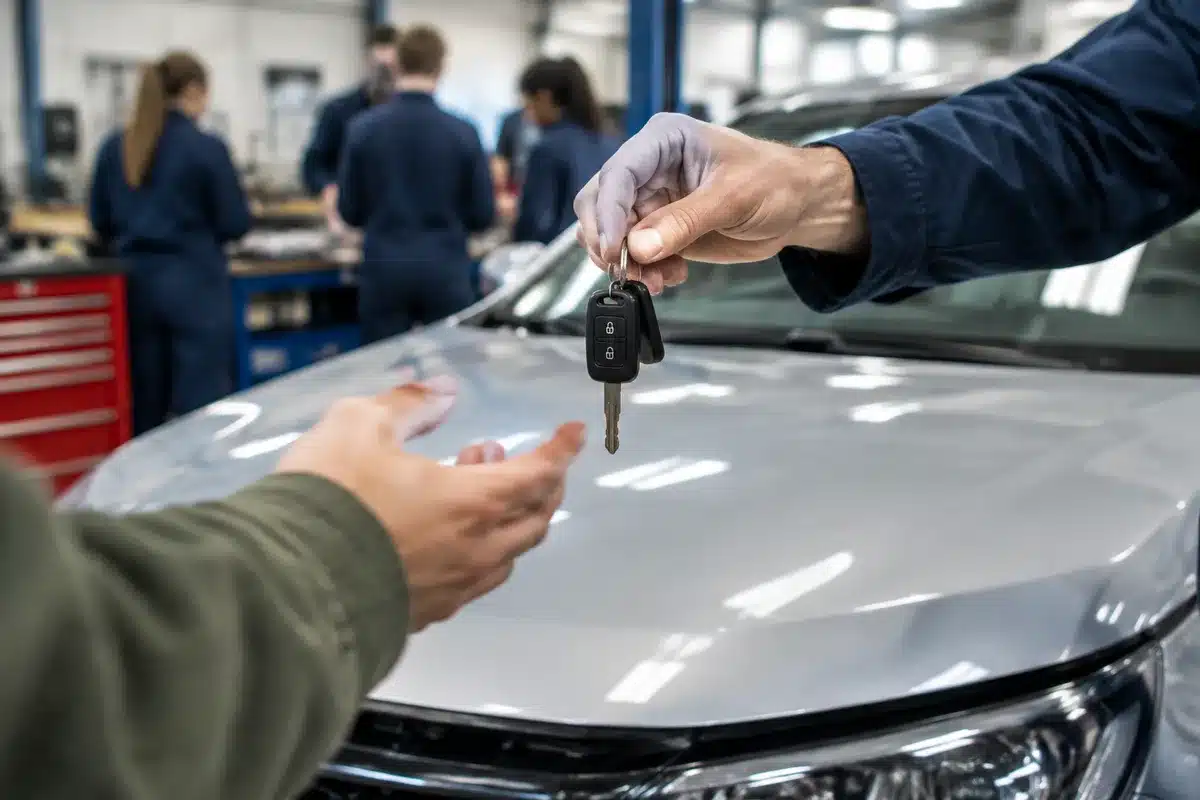
A Minneapolis Navy veteran who has been without personal transportation for more than two years was recently handed the keys to a fully refurbished vehicle — a gift that promises to change his day-to-day life. The restoration was completed by students in an auto collision and refinishing program, who transformed a heavily damaged 2020 Hyundai Elantra into reliable transportation through a nonprofit partnership.
The project was part of the National Auto Body Council’s Recycled Rides for Schools initiative, which pairs donated vehicles with vocational programs so students can gain hands-on experience while returning cars to people in need.
From wreck to road-ready: how the donated Elantra was rebuilt
The Growing Demand for Data-Driven Decision Making in Silicon Valley
He quit, ran out of money, and begged to come back — here’s how his boss reacted
The Elantra that became a lifeline for the veteran arrived via an insurance partner after suffering significant front-end damage. Instead of being scrapped, the vehicle was funneled into a school program where future technicians took over the repair and refinishing work.
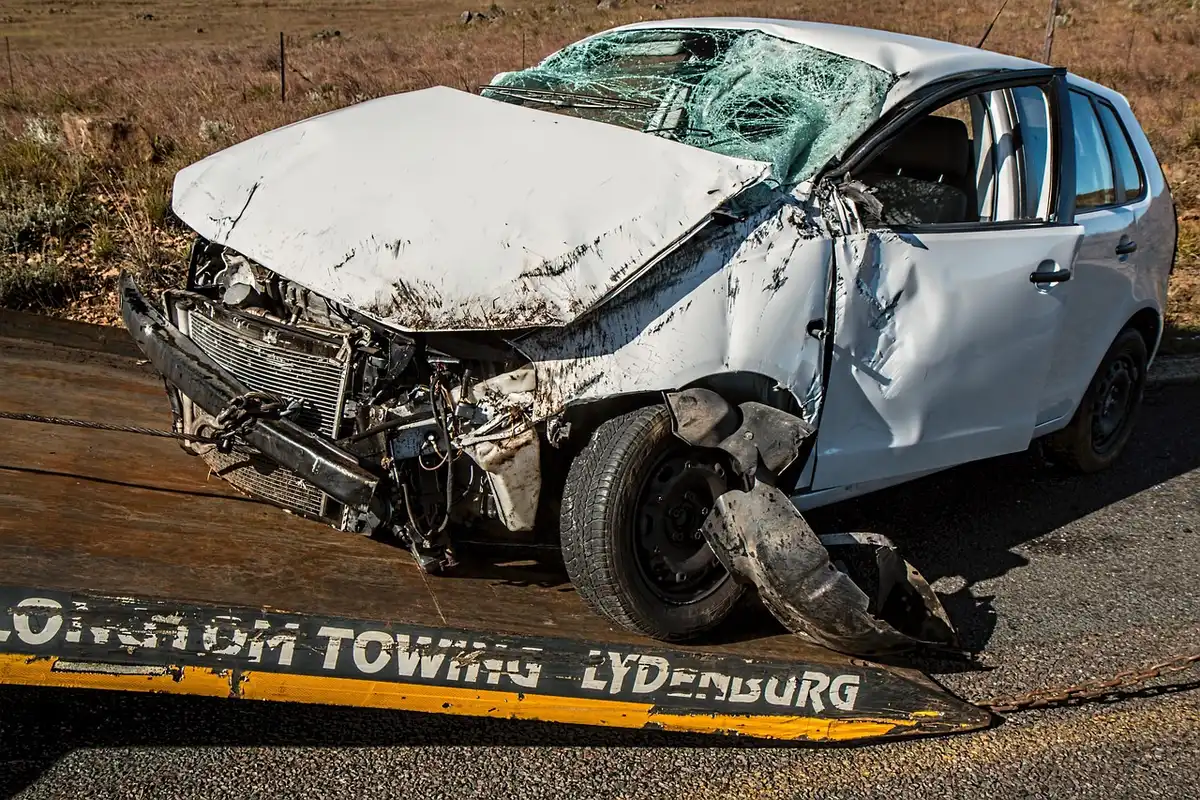
- Donation and intake: The vehicle was provided by an industry partner and entered the Recycled Rides pipeline.
- Assessment and planning: Students and instructors inspected the chassis, mechanical systems, and body to create a repair plan.
- Collision repair: Front-end structural and cosmetic repairs restored alignment and safety components.
- Refinishing: Body panels were prepped and painted to match factory finishes, returning the car’s appearance to near-new condition.
- Final checks: Mechanical, electrical, and safety inspections ensured the vehicle met roadworthy standards before handover.
Allstate supplied the damaged Elantra to the program after recovering it following the collision, allowing students to work on a real-world repair rather than a classroom simulation.
Who received the car and why it matters
The vehicle was given to Robert Hanson, a U.S. Navy veteran who served in the 1990s. Since separating from the service he’s faced serious health challenges — including severe asthma and fibromyalgia — that make public transit and long walks difficult and painful. Referred to the Recycled Rides program through Hennepin County services, Hanson now has reliable transportation for daily needs.
For Hanson, the car means much more than convenience: it restores independence, opens access to larger grocery stores, and makes medical appointments and social activities far easier to reach. He expressed deep gratitude for the community effort that turned a damaged vehicle into a practical solution for his mobility needs.
Student learning and community partnership: hands-on training with impact
The restoration gave students at the Minneapolis college a rare chance to complete a full, meaningful project and see the direct results of their labor. Working on a donated vehicle for a real recipient provided technical challenges and emotional reward.
What students gained
- Practical experience in collision repair and paint refinishing
- Project management skills, from diagnosis through final inspection
- Emotional fulfillment from contributing to a community member’s improved quality of life
One collision student described being moved by watching the recipient’s reaction when he saw the car — a reminder that vocational training can produce both skilled graduates and tangible social benefits.
Program model: how Recycled Rides connects donors, schools, and recipients
The National Auto Body Council’s Recycled Rides for Schools program links insurance partners, vocational programs, and social services to recycle vehicles back into the community. Key elements of the model include:
- Donation sourcing from insurers or fleet partners
- Selection of vocational schools with collision and refinishing programs
- Referral of eligible recipients through local agencies
- Student-led restorations under professional supervision
- Community handovers that highlight both training outcomes and social impact
The result: students gain authentic experience while community members receive reliable transportation that can significantly improve daily life.
Coverage and reaction: the handover captured on camera
The vehicle delivery and the recipient’s response were recorded by local media, capturing the moment students and staff handed over the keys. The footage illustrates the tangible payoff of the program — not only a repaired car, but renewed mobility and dignity for a veteran who had been navigating life without wheels.

You might also like:
- Teen triathlete raises $30,000 to donate bikes and riding lessons to low-income families
- Hurricane preparedness: Florida teen’s Storm Smart program teaches students after schools failed
- School uniform donations by teens save 1,400 families $140K
- 5 students save unconscious school bus driver
- Book Fairies: 25,000 books for New York children after major donation

Michael Thompson is an experienced journalist covering U.S. and global news. With ten years on the front lines, he breaks down political and economic stories that matter. His precise writing and keen attention to detail help you grasp the real‑world impact of every event.

