
Show summary Hide summary
- How Jersey’s marine protections changed and what they cover
- Why these areas were chosen: habitat value and biodiversity
- Working with fishers: balancing conservation and livelihoods
- Governance and cross-border coordination in the English Channel
- Scientific backing: how protected zones can boost fisheries
- Related conservation moves and comparable success stories
- Practical measures ahead and monitoring plans
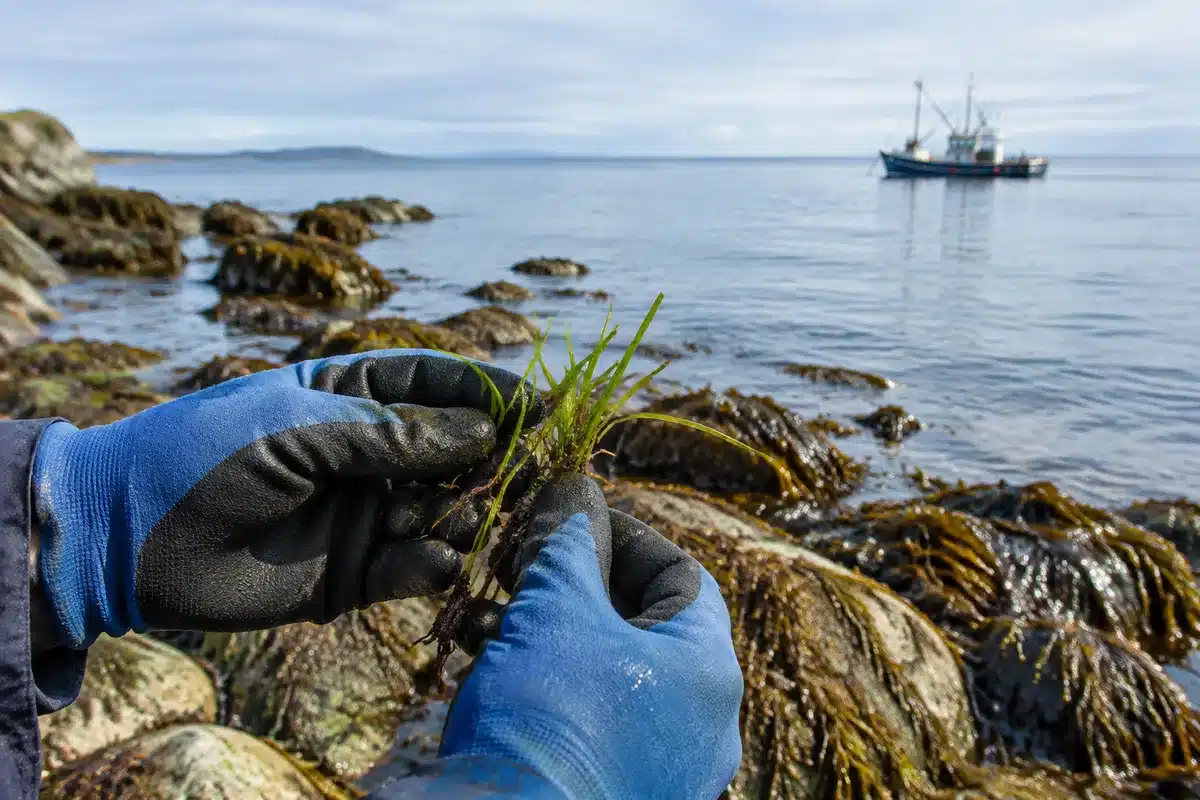
The tiny Channel Island of Jersey has quietly taken a big step for ocean conservation. As of September 1, the island’s government expanded protected marine zones so that more than one-fifth of its territorial waters are now off-limits to destructive fishing methods like bottom trawling, a move aimed at safeguarding fragile habitats and supporting long-term fishing yields.
This decision reflects a balancing act between preserving biodiversity and sustaining a local fishing economy. Jersey’s leaders say the new rules focus on key underwater habitats—feeding grounds and nurseries—that support both commercial species and broader ecological health. The updated protections are part of a larger marine management plan shaped with input from neighboring French authorities and the island’s own fishing community.
How Jersey’s marine protections changed and what they cover
The Growing Demand for Data-Driven Decision Making in Silicon Valley
He quit, ran out of money, and begged to come back — here’s how his boss reacted
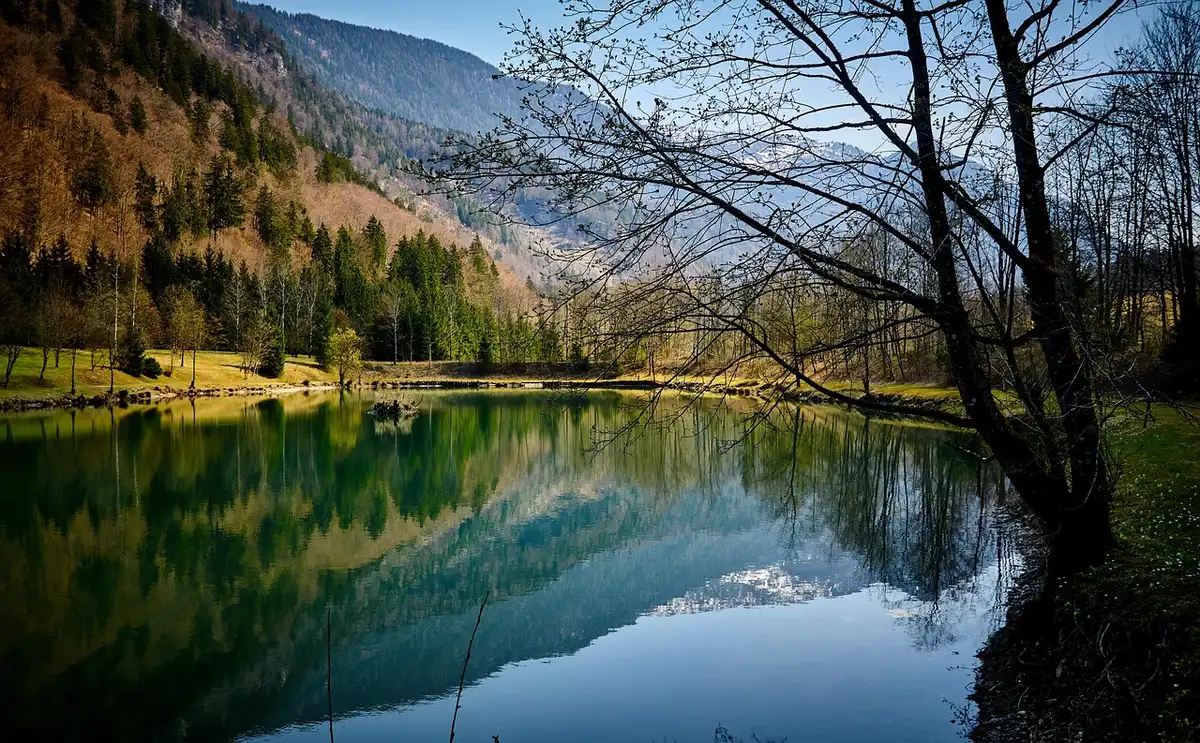
Jersey increased its protected waters by roughly 15 percentage points, bringing total coverage to about 21.7% of its territorial seas. The restrictions—enforced beginning September 1—target the most sensitive seabed zones around the island to prohibit trawling and other activities that damage benthic habitats.
- New protection percentage: approximately 21.7% of Jersey’s waters.
- Primary restrictions: bans on bottom trawling and harmful gear in designated areas.
- Effective date: regulations in force from September 1.
Why these areas were chosen: habitat value and biodiversity
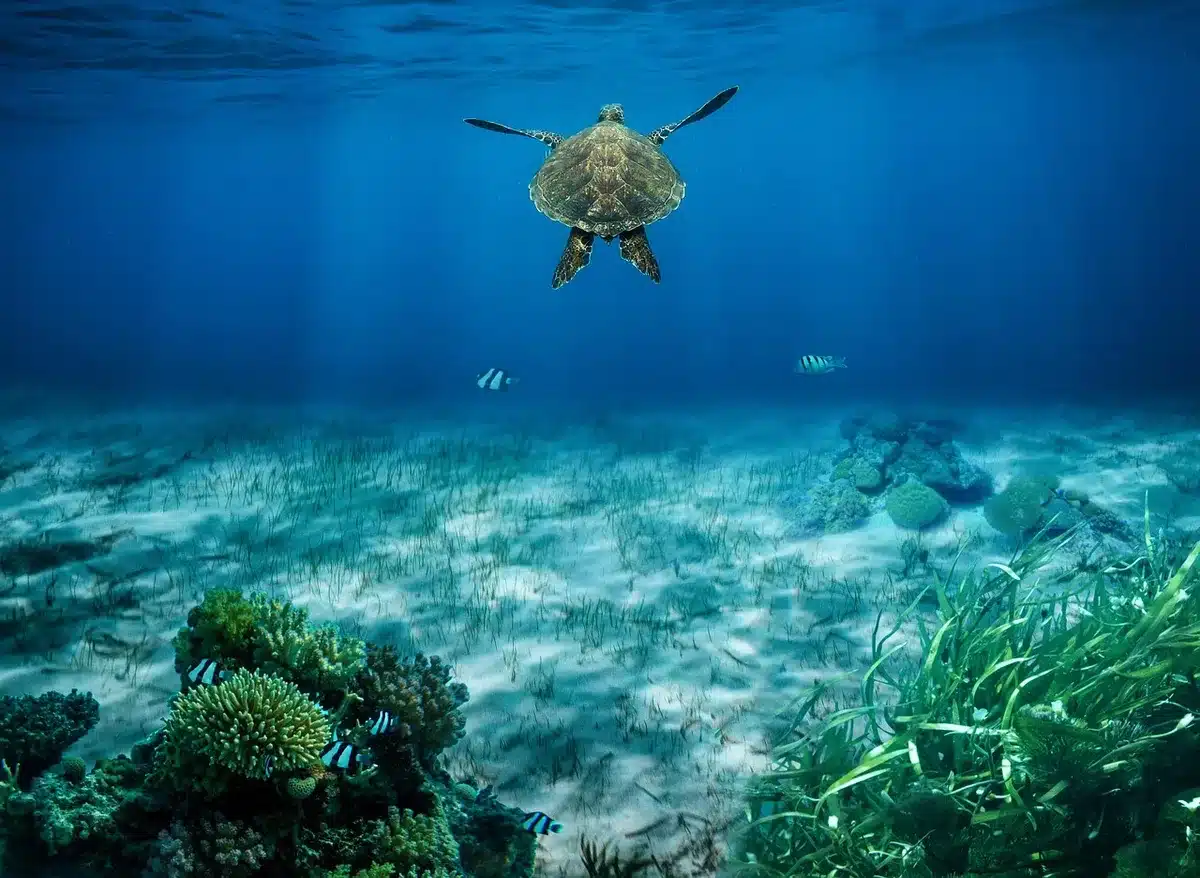
Officials identified sites with complex underwater structures—rocky reefs, kelp stands, and soft-sediment areas—that act as essential feeding grounds and nurseries for fish, crustaceans, and other marine life. These habitats are not only ecologically important but also influence the productivity of nearby fishing grounds through a process known as spillover.
Jersey’s environment minister emphasized the intrinsic importance of these marine landscapes, while marine resource managers highlighted their role in replenishing stocks and preserving biodiversity. Protecting habitat hotspots is intended to keep local waters biologically rich for generations to come, according to government statements.
Working with fishers: balancing conservation and livelihoods
Rather than imposing blanket bans, Jersey’s approach includes collaboration with the fishing industry to identify alternative zones where fishing can continue with less ecological impact. The government says it will support the transition by:
- opening or designating less-sensitive fishing grounds;
- engaging fishers in spatial planning and monitoring;
- developing measures to keep the local fishing sector economically viable.
The island’s marine resources lead stressed the policy is not intended to pit conservation against commercial fishing but to create both healthy seas and a sustainable industry. Officials have signaled a commitment to working closely with fishers to build resilience and economic stability as protections roll out.
Governance and cross-border coordination in the English Channel
Jersey administers its own environmental laws as a self-governing Crown dependency—officially called a Bailiwick—so it sets rules for its territorial waters independently of the U.K. and France. Still, the island’s marine spatial planning process has involved consultation with French authorities because of the close proximity and shared marine ecosystems in the Channel.
The protected-area network will be managed through Jersey’s Marine Spatial Plan, a governance tool designed to balance conservation goals with economic activities like fishing and maritime transport.
Scientific backing: how protected zones can boost fisheries
Global studies of marine protected areas (MPAs) show that safeguarding productive habitats often increases biomass and biodiversity inside reserves, and can enhance adjacent fisheries through spillover and larval export. These ecological benefits can translate into higher catch per unit effort in surrounding waters over time—an outcome that can outweigh short-term restrictions on fishing access.
- Spillover effect: adults and juveniles move out of reserves into fished areas.
- Habitat recovery: benthic communities rebuild, improving nursery and feeding functions.
- Long-term yields: more stable and potentially larger fishing returns for coastal fleets.
Related conservation moves and comparable success stories
- Norway’s recent MPA designations protecting whales, seabirds, and rich benthic habitats.
- Community-driven rewilding projects that have successfully boosted local species recovery.
- Evidence of bluefin tuna returning to historic ranges after broader ecosystem recoveries.
Practical measures ahead and monitoring plans
Jersey plans to monitor the newly protected areas and adjust management as data comes in. Expected actions include patrols to enforce gear restrictions, scientific surveys to measure habitat recovery and fish stock responses, and ongoing stakeholder meetings with fishers and neighboring authorities.
- Enforcement: patrols and compliance checks to deter illegal trawling.
- Monitoring: periodic surveys to track biodiversity and fish population trends.
- Adaptive management: adjusting spatial boundaries or rules based on scientific findings.
You might also like:
- French Polynesia protects a biodiverse marine reserve twice the size of Arizona teeming with life
- New Zealand marine reserves: 5 new sites to protect dolphins and kelp forests off South Island
- Macronesia marine sanctuary protects waters around 4 Atlantic islands and critical whale habitat
- Endangered monk seals’ island home gets new marine protections from Greece
- North Atlantic right whale population slowly increasing, scientists say

Michael Thompson is an experienced journalist covering U.S. and global news. With ten years on the front lines, he breaks down political and economic stories that matter. His precise writing and keen attention to detail help you grasp the real‑world impact of every event.

