Show summary Hide summary
- How Christmas markets turned into secure perimeters
- Who is seen as the likely threat — and what authorities say
- Legal obligations and the price tag of protection
- Urban life reshaped: bollards, checkpoints and everyday inconvenience
- Public guidance and the burden of vigilance
- What organizers and councils are weighing
- Debate over visibility and narrative in media coverage
Town squares that once hummed with carolers and mulled wine now look like military checkpoints. Steel bollards, concrete blocks and armed officers have become as much a part of the holiday scenery as twinkling lights and wooden stalls, turning seasonal gatherings into guarded zones that people are asked to enjoy with a cautious eye.
Across Britain, authorities insist these measures are necessary because the national threat level has been raised. Yet the heavy security presence and sobering reminders — from police drills to warnings to report anyone acting oddly — have also stripped much of the festive atmosphere away.
The Growing Demand for Data-Driven Decision Making in Silicon Valley
He quit, ran out of money, and begged to come back — here’s how his boss reacted
How Christmas markets turned into secure perimeters
Recent news footage from a central Nottingham market illustrated how extreme the changes have become: temporary stalls and fairground rides ringed by rows of barriers, with officers conducting active-shooter response exercises nearby. The message was clear — celebrations continue, but so does the risk.
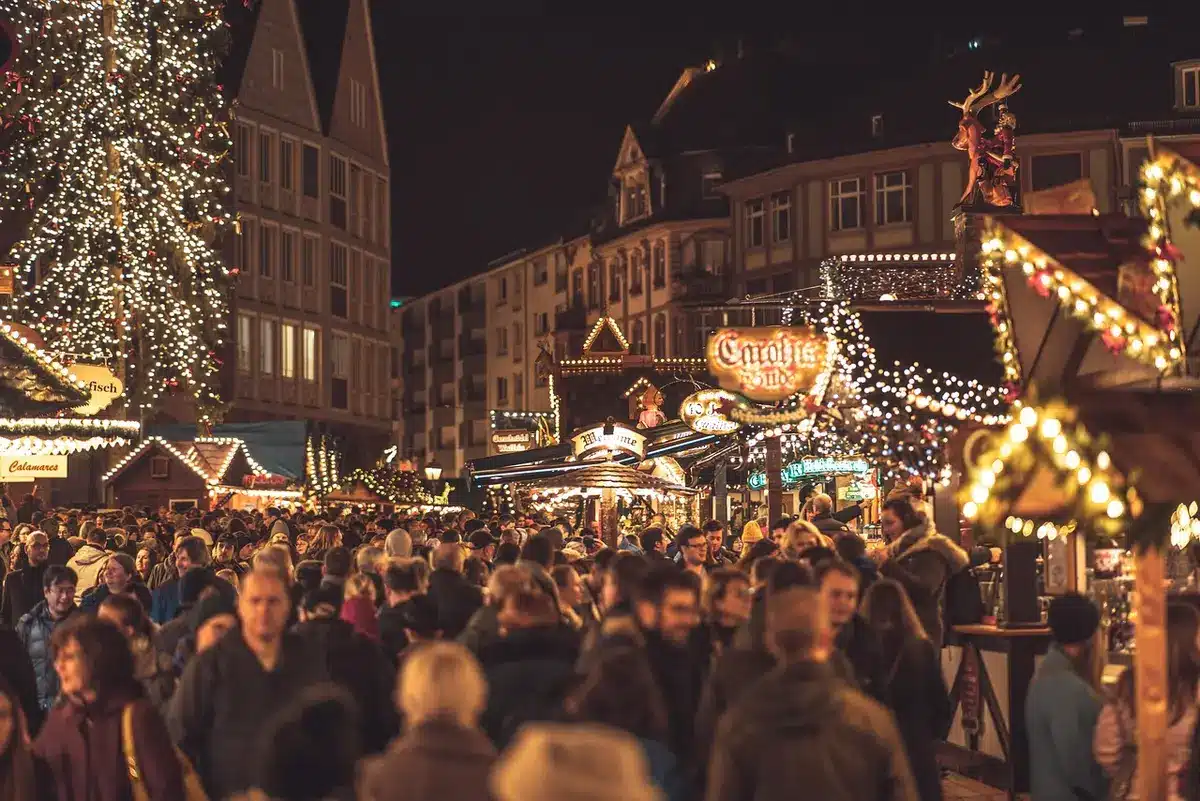
Security measures now commonly seen at markets and public events include:
- Physical barriers at market entrances and along high streets to stop vehicle attacks;
- Visible patrols of armed police and counterterror teams;
- Surveillance cameras, controlled access points, and bag checks at larger venues;
- Public-awareness appeals asking attendees to report anyone who seems detached from the festivities.
Officials frame these steps as routine precautions in response to an elevated terror alert. For many shoppers and stallholders, however, the experience feels less like protection and more like living inside a guarded compound — a far cry from the carefree markets of years past.
Who is seen as the likely threat — and what authorities say
Authorities have been careful about how they describe the source of the danger. While official briefings underline that the risk is significant, specific attribution is often left unstated in public broadcasts. That reticence contrasts sharply with recent history: European Christmas markets have been targeted by jihadist attackers in cities such as Berlin and Strasbourg, and foiled plots were linked to the same extremist networks in places like Vienna and parts of Bavaria.
In the U.K., the memory of the 2017 Manchester Arena bombing — an attack carried out by an Islamist extremist that killed 22 people at a music concert — remains a pivotal reference point for policy and public concern. That atrocity prompted tougher rules and a heightened sensitivity to mass-gathering security across the country.
Legal obligations and the price tag of protection
One reason security at public events has become so robust is a law that compels organizers to meet strict safety standards. Passed after the Manchester attack, this legislation requires events drawing large crowds to implement physical and operational controls designed to reduce vulnerability to attacks.
What the rules typically demand
- Permanent or temporary bollards and barriers to mitigate vehicle attacks;
- Closed-circuit television and event-specific surveillance;
- On-site security personnel, turnstiles or ticketed access points, and first-aid staffing;
- Planning and coordination with local police and emergency services.
For many cash-strapped local councils and independent market organizers, meeting these requirements can be prohibitively expensive. The result has been a wave of cancellations or scaled-back events in towns and cities unable or unwilling to absorb the added costs.
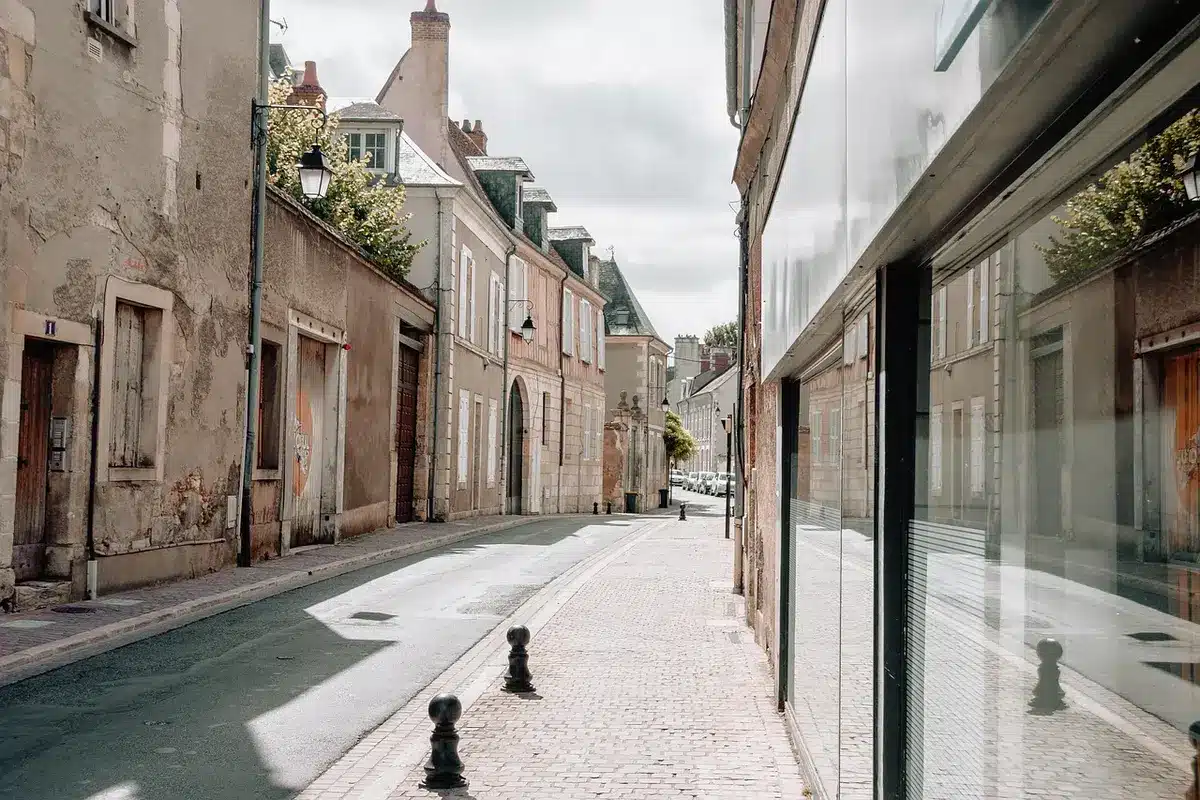
Examples of markets curtailed or called off this season include:
- Smaller regional markets that could not fund perimeter defenses;
- Events in towns where volunteer-run committees could not meet staffing or equipment mandates;
- Some larger city markets that opted to limit capacity or reconfigure layouts rather than risk noncompliance.
Urban life reshaped: bollards, checkpoints and everyday inconvenience
Long before the Christmas lights go up, the security logic has already altered how people move through urban spaces. Pedestrianized shopping streets now have sturdy posts at their ends, while major squares are hemmed in with blocks and gates — changes locals sometimes call “diversity bollards” in a mix of sarcasm and resignation. Entry to museums, galleries and cultural venues increasingly involves bag checks and metal-detector screening, turning simple visits into procedural stops.
The cumulative effect is subtle but pervasive: every outing includes an implicit assessment of safety and a reminder that public life must now be negotiated through a security lens.
Public guidance and the burden of vigilance
Police and counterterror officials have emphasized the role of public awareness, urging people to report suspicious behavior and to trust their instincts if something seems off. That guidance aims to supplement the physical defenses by enlisting the public as an additional layer of detection.
At the same time, critics argue that placing too much responsibility on civilians risks normalizing fear and shifting the focus away from targeted counterterror strategies that address the root causes and networks behind attacks.
What organizers and councils are weighing
Event planners face several difficult trade-offs when deciding whether to stage a market or scale it down. Key considerations include:
- The cost of physical infrastructure versus expected revenue from stall fees and tourism;
- Availability of trained security personnel and coordination with police;
- Public appetite for attending heavily secured events;
- Liability concerns and compliance with statutory safety obligations.
Some towns have chosen to reinvent their seasonal programming with smaller, decentralized gatherings that reduce density and liability, while others have postponed or canceled signature fairs rather than risk noncompliance or public unease.
Debate over visibility and narrative in media coverage
Media reporting that foregrounds barrier-lined scenes and police rehearsals can heighten public anxiety — and questions have been raised about how much context should accompany those visuals. Should broadcasters and authorities name likely perpetrators when discussing elevated threat levels, or does explicit attribution risk inflaming tensions and stigmatizing communities?
Those asking for greater transparency say the public deserves clarity about the nature of threats so people can make informed choices. Those urging caution point to the need for measured language to avoid amplifying fear or fueling scapegoating.
You might also like:
- Germany hit by wave of terror attacks and threats
- Ontario man steals bus, completes route anyway
- Attacks on Jewish communities: two-year wave of violence
- Halloween decorations spark repeated fire department calls to one home
- Maccabi Tel Aviv ban justified by police fake claims

Robert Johnson is a dedicated columnist focusing on political and social debates. With twelve years in editorial writing, he provides nuanced, well‑argued perspectives. His commentaries invite you to form your own views and engage in critical issues.