Show summary Hide summary
- How a school strike became a global movement — and what changed
- Spotlight moments: from COP conferences to protest boats
- Why this migration from climate to geopolitics happened
- The tactics and rhetoric that traveled with activists
- Trust, responsibility, and the fallout for affected communities
- What this means for the future of public movements
- About the writer
Greta Thunberg’s recent reaction to a mention of school climate strikes — a surprised laugh caught on camera — has reignited debate about where millennial and Gen Z activism has migrated. Once the global face of Fridays for Future, she now appears more often in headlines for vocal criticism of Israel than for leading climate walkouts, a shift that has puzzled and angered supporters and detractors alike.
The change in focus among prominent eco-activists raises questions about activism’s shape in the 2020s: is this a genuine reorientation of moral priorities, a tactical move to stay culturally relevant, or a symptom of an activism industry chasing the latest crisis? The answers matter because they affect public trust, the causes young protesters champion, and the communities caught in the crossfire of performative outrage.
The Growing Demand for Data-Driven Decision Making in Silicon Valley
He quit, ran out of money, and begged to come back — here’s how his boss reacted
How a school strike became a global movement — and what changed
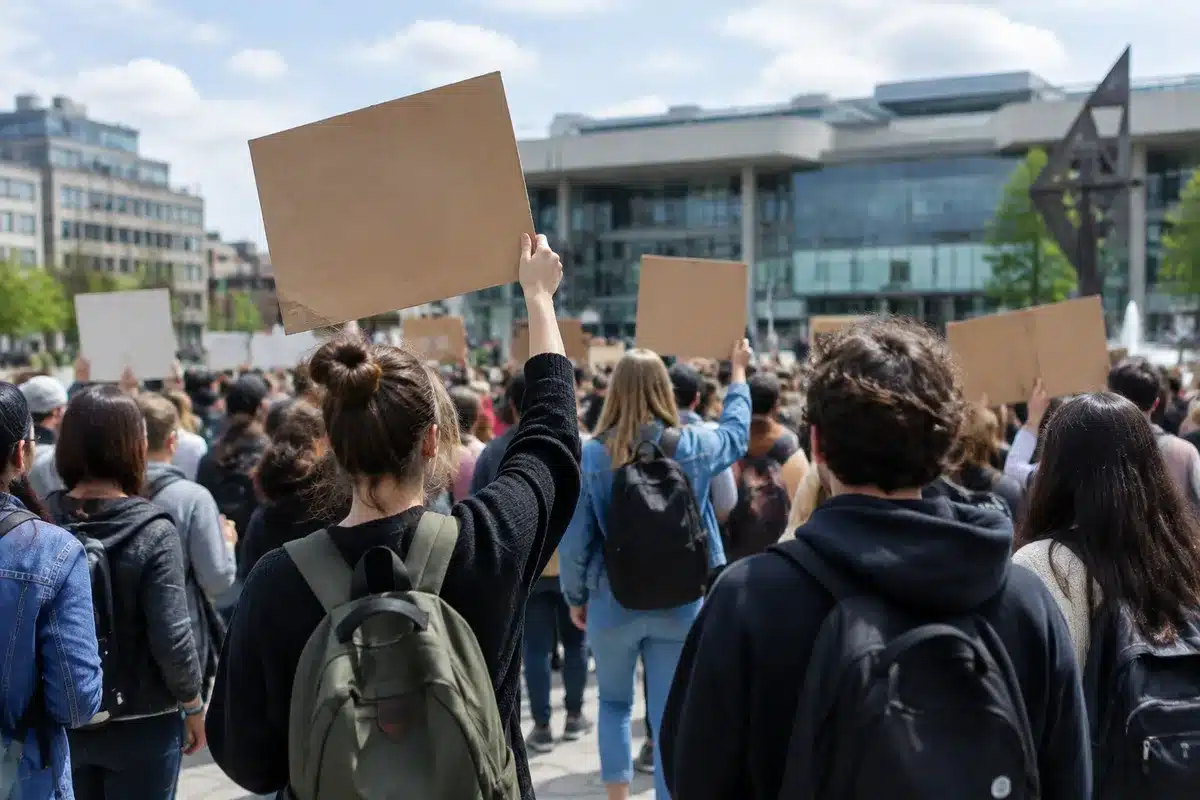
Greta Thunberg’s rise began in 2018 when a lone teenage protester sat outside Sweden’s parliament on a school day and sparked an international movement. That visible, youthful discontent gave climate activism a fresh, moral urgency. Yet the spectacle that once compelled global leaders to listen now looks different: the climate movement’s media magnetism has been repurposed by many of its former standard-bearers toward new political flashpoints.

The key shift to understand: activism that was once defined by fossil-fuel targets and climate policy demands has, in many circles, become centered on geopolitical conflict — notably the Israeli-Palestinian struggle.
Spotlight moments: from COP conferences to protest boats
High-profile appearances reveal the realignment. At COP31 in Turkey, Thunberg reiterated climate warnings but also signaled political stances that extend beyond environmental policy. She has publicly declined to engage with Israel, while participating in international events hosted by states with their own complex human-rights records.
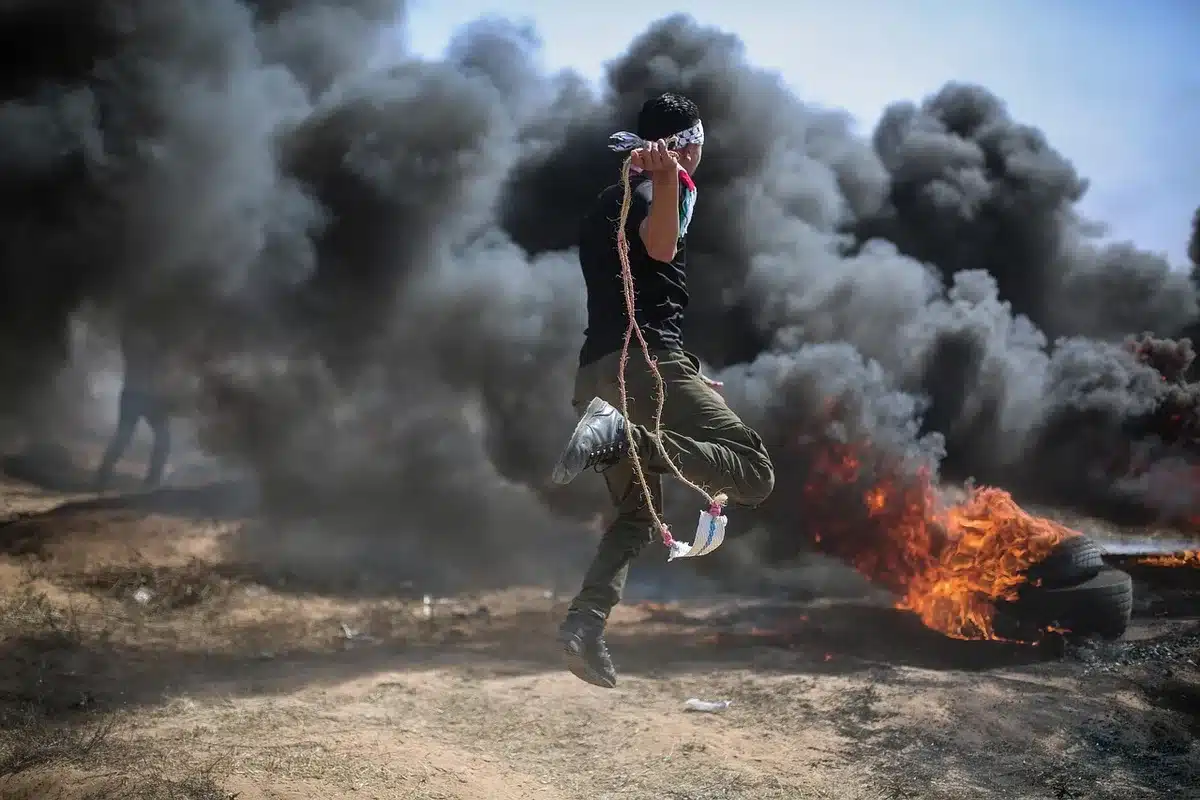
- Some activists who once coordinated disruptive campaigns against oil companies or infrastructure are now visible at demonstrations about Gaza.
- Groups that once targeted fossil-fuel supply chains have shifted tactics and rhetoric toward businesses, institutions, and symbolic actions tied to Israel and Zionism.
- High-profile voyages and solidarity flotillas to Gaza have replaced certain climate stunts as attention-grabbing acts for the social-media era.
Why this migration from climate to geopolitics happened
Several dynamics help explain why the focus of a number of prominent activists and organizations migrated from climate to Israel.
- Media attention cycles: Activism often follows what gains traction in headlines and social feeds. New crises become the new rallying points.
- Apocalypse as a brand: For some activists, the appeal lies less in a specific policy agenda than in the drama of opposing a perceived existential threat — whether it’s runaway warming or an embattled nation-state.
- Performative solidarity: Solidarity gestures that travel well on social platforms can encourage symbolic acts that emphasize visibility over sustained policy work.
- Organizational opportunity: Established activist networks and well-funded campaign apparatuses can pivot quickly to new issues where their tactics still apply.
Not just a single leader — a broader movement trend
Thunberg’s visibility makes her a convenient symbol for the shift, but she is not alone. Several groups and figures who once prioritized climate disruption — from high-profile street actions to roadside blockades — have redirected their energies toward protesting Israel’s policies. That transition is visible in the decline of disruptions aimed at drivers and energy infrastructure and the rise of demonstrations, direct actions, and campaigns explicitly tied to Palestine and Zionism.
The tactics and rhetoric that traveled with activists
When movements pivot, they often bring the same rhetorical tools and protest techniques with them. Those who mastered dramatic civil disobedience in climate campaigns have reused similar playbooks for new causes:
- Blockades and property-targeting actions moved from pipelines and power stations to supply chains and businesses linked, directly or indirectly, to Israel.
- Symbolic gestures — from clothing to flags and staged voyages — are repurposed to generate viral moments.
- Language once devoted to planetary catastrophe has been adapted to frame geopolitical opponents as moral monsters.
That continuity raises questions about whether the same impulse that drove theatrical climate protests is now amplifying polarization in other arenas, sometimes with real-world consequences for vulnerable communities.
Trust, responsibility, and the fallout for affected communities
There’s a growing argument that rapid shifts in activist focus can erode credibility. The intense climate messaging of recent years helped spark widespread youth anxiety and even clinical-level distress in some cases. When high-profile activists then redirect that moral urgency toward different targets, critics ask whether the original claims were overstated or whether the movement’s leaders pursued headlines over honest, sustained organizing.
At the same time, the new focus has tangible impacts: Jewish communities and others report increased fear and disruption tied to amplified anti-Israel campaigns. Observers worry that a protest culture built for climate confrontation may not translate well to complex, centuries-old geopolitical issues without risking oversimplification and collateral harm.
Questions activists should confront
- Are tactic transfers appropriate when the political contexts are so different?
- Do public figures have an obligation to anticipate the social consequences of rhetorical escalation?
- How can movements avoid reducing complex conflicts to easily digestible but misleading narratives?
What this means for the future of public movements
Activism’s evolution will likely continue to follow media attention and moral urgency cycles. Whether that results in more effective advocacy or simply a succession of headline-grabbing campaigns depends on whether organizers commit to long-term strategy rather than short-term spectacle. For observers and the public, distinguishing principled consistency from opportunistic posture will be essential to deciding which movements merit support.
One clear takeaway: the public’s willingness to trust and follow social movements hinges on perceived sincerity, consistency, and a demonstrated capacity to engage responsibly with the issues they champion — whether those issues are environmental, humanitarian, or geopolitical.
About the writer
Brendan O’Neill is the chief political writer at spiked and host of The Brendan O’Neill Show podcast. His book, After the Pogrom: 7 October, Israel and the Crisis of Civilisation, is available in the UK and US. Find him on Instagram: @burntoakboy.
You might also like:
- Israel’s war for survival is just beginning
- Anti-Zionism’s staggering joylessness alienates supporters
- Antisemitism and anti-Israel sentiment are spreading in classrooms
- NEU antisemitism allegations: what the claims mean for Jewish members
- Anti-Zionism increasingly seen as an ideology of hatred

Robert Johnson is a dedicated columnist focusing on political and social debates. With twelve years in editorial writing, he provides nuanced, well‑argued perspectives. His commentaries invite you to form your own views and engage in critical issues.