
Show summary Hide summary
- When climate alarm becomes moral drama
- Heat aesthetics on social media and the politics of shame
- Weather systems, history and the limits of attribution
- Most so-called “wildfires” start with people — and policy choices matter
- Global fire trends: less burning overall, but more intense local episodes
- Cold still kills far more people than heat
- Air conditioning: a straightforward, contested fix
- Practical steps that would make more sense than moralizing
- Who’s responsible, and what can be done now
- Author note
People talk about this summer as if the weather itself is a sermon. Between shrill political warnings and breathless social posts, the heat has become more than a hazard — it’s a tool for moralizing, finger-pointing and performative guilt. That framing does a disservice to anyone trying to cope with the immediate challenges: keeping vulnerable people safe, managing fire risk, and planning practical responses for hotter years ahead.
This piece breaks down the politics around heat, separates weather from policy, and argues for pragmatic solutions that actually reduce harm. The headlines may demand converts; communities need action.
When climate alarm becomes moral drama
Public officials and commentators have reacted to recent swelters with moral certainty, treating hot days as evidence of a cosmic rebuke. Some leaders have framed heatwaves as proof that climate skeptics are not only wrong but morally culpable. Others have described the season as nature’s rebuke to modern society. That kind of rhetoric converts complex atmospheric dynamics into a morality play in which dissent equals sin.
The Growing Demand for Data-Driven Decision Making in Silicon Valley
He quit, ran out of money, and begged to come back — here’s how his boss reacted
The danger of this approach is twofold:
- It simplifies science into a binary of sinners and saints, obscuring uncertainty and nuance.
- It elevates public shaming over practical preparedness, diverting attention from measures that could mitigate harm now.
Heat aesthetics on social media and the politics of shame
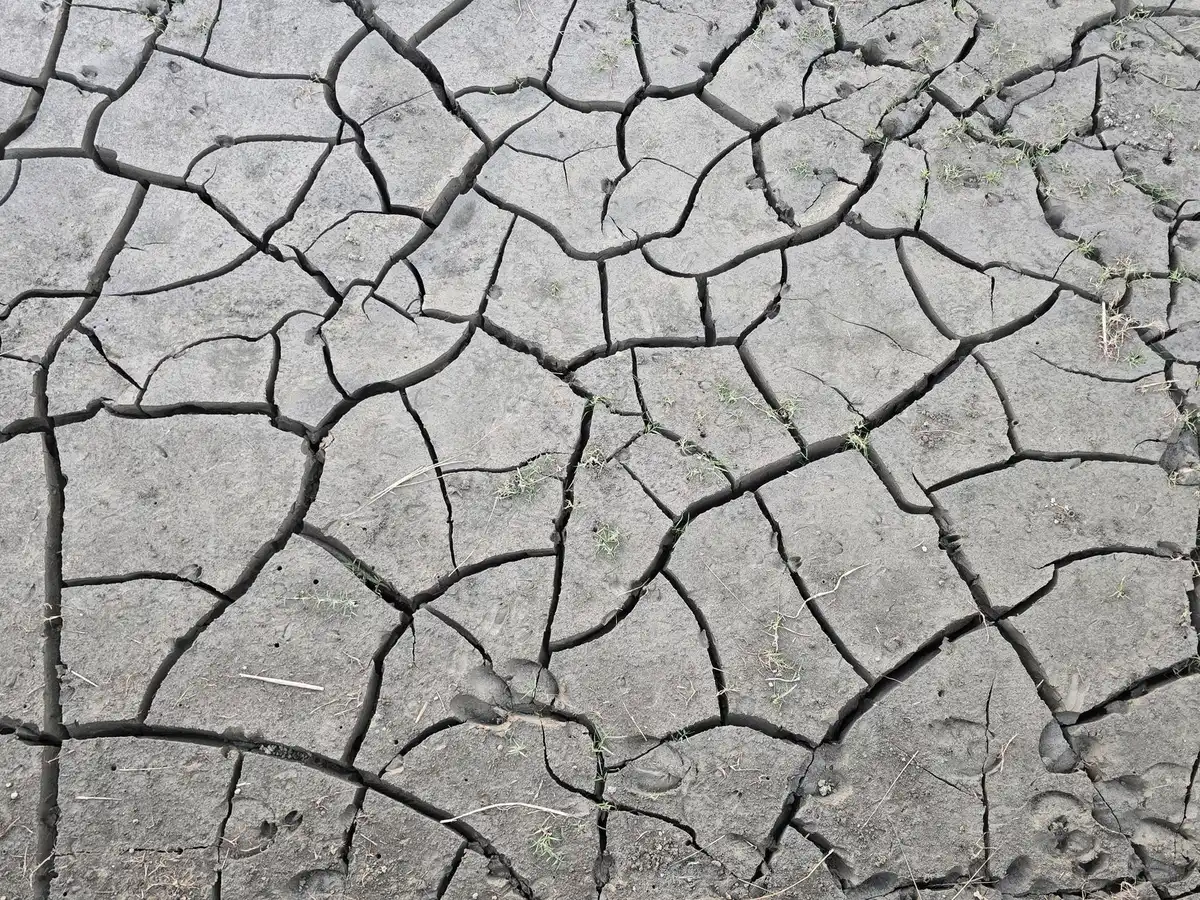
Scroll through social feeds and you’ll find endless images of browned lawns and cracked soil, many framed with dramatic captions about apocalypse or penance. Influencers and journalists often use these visuals to ridicule those labeled as “climate deniers,” treating weather snapshots like moral evidence rather than environmental data.
This trend encourages performative outrage: pointing fingers offers emotional satisfaction but rarely leads to concrete policies that help vulnerable people or communities at risk from heat or fire.

Weather systems, history and the limits of attribution
Yes, it’s unusually hot in many places this year. But attributing every heat spike directly and exclusively to long-term global warming oversimplifies meteorology. Scientists point to persistent high-pressure patterns — atmospheric setups that trap warm air — as drivers of many recent heat events. Those systems can occur independently of human-driven warming, even though climate change can influence their intensity and frequency.
Climate attribution studies can show how global warming raises baseline temperatures and makes extreme heat more likely, but saying a specific run of hot days is “definitely” caused by human emissions is often scientifically premature. Responsible reporting should separate immediate weather mechanics from the broader signal of climate change.
Most so-called “wildfires” start with people — and policy choices matter
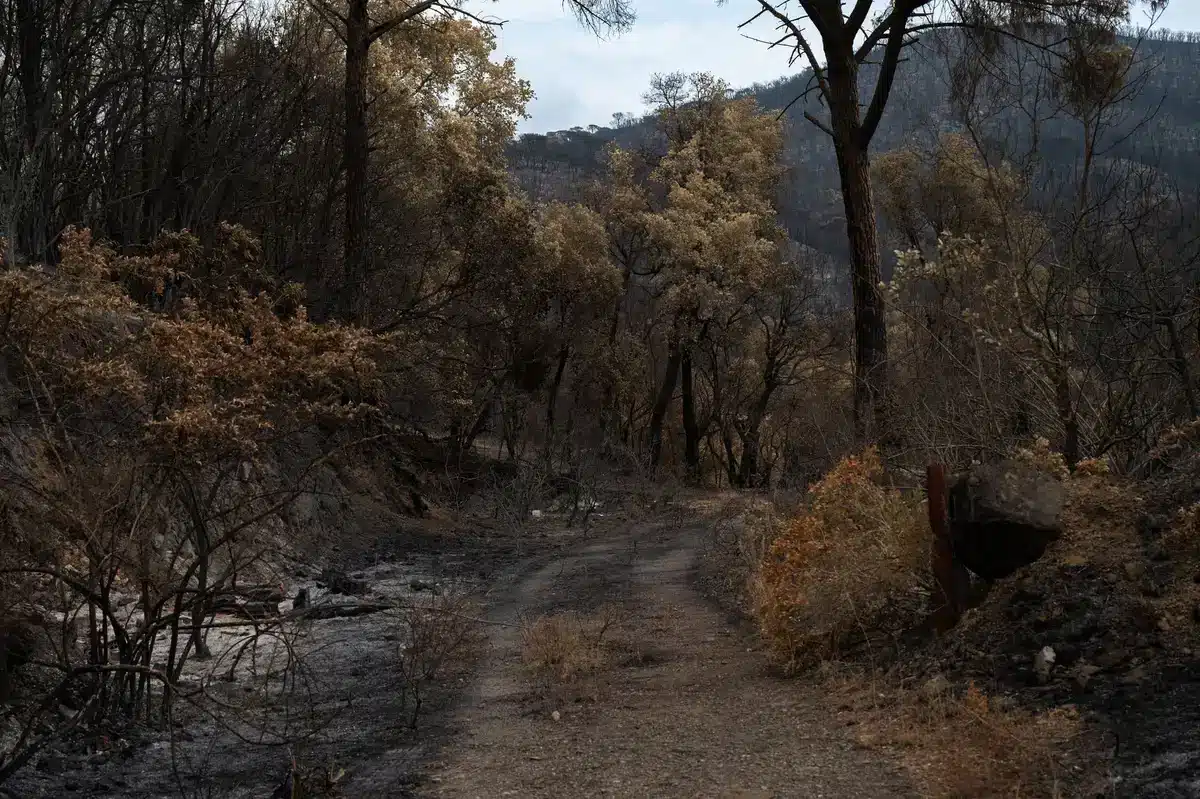
The word “wildfire” suggests a spontaneous, natural inferno. In reality, a large share of recent blazes in Europe and the UK begin with human actions. Research indicates the vast majority of fires there are started by people — carelessness, discarded cigarettes, uncontrolled burns, or deliberate ignition.
Policy choices have also changed landscapes in ways that increase fire risk. For example, some land-management strategies have allowed denser, more flammable vegetation to grow in places where controlled burning or other fuel-reduction tactics were once used less restrictively. That combination — human ignition plus more combustible ground cover — raises the odds of rapid fire spread.
Global fire trends: less burning overall, but more intense local episodes
Contrary to an intuition that wildfires are skyrocketing everywhere, satellite data and expert assessments show a more complicated picture: in many regions global emissions from burning are trending down as agricultural practices and fire management improve, particularly in parts of Asia and Africa. Meanwhile Europe and North America have seen felt increases in high-profile fires.
Key takeaways:
- Global totals of fire-related emissions have declined in recent years.
- Improvements in agricultural burning practices and fire control in some regions have reduced large-scale burning.
- Where fires seem “worse,” local landscape and policy factors — not a universal rise in wildfire incidence — often explain the change.
If policy-makers concentrated more resources on fuel management, controlled burns, and rapid-response firefighting, many outbreaks could be prevented or contained more quickly.
Cold still kills far more people than heat
Public emergencies often focus on dramatic, immediate risks. Heat grabs attention because it’s sudden and sensational. But epidemiological studies show that cold-related mortality remains substantially higher than deaths attributable to heat in most parts of the world. One major review found that cold-season mortality outnumbers heat-related deaths by a wide margin.
That disparity matters for priorities: warmth, effective heating, and winter preparedness save a huge number of lives each year. Yet political and media cycles rarely treat slow-moving winter risk with the same moral fervor reserved for heat-driven alarmism.
Air conditioning: a straightforward, contested fix
If the goal is to prevent heat-related illness and death, one clear answer is wider access to cooling. Many cities and countries that regularly face high temperatures have invested in ubiquitous air conditioning — in homes, hospitals, schools, transit and public buildings — and for good reason. Cooling infrastructure is a proven, immediate way to reduce heat-related harm.
Why doesn’t everyone embrace that solution?
- Concerns about energy use and greenhouse gas emissions make air conditioning politically and ethically fraught for some advocates.
- There’s a worry that adoption increases electricity demand and could worsen emissions if powered by fossil fuels.
- Some environmentalists argue that rolling out AC is a symptom of, rather than a solution to, a warming planet.
Those are legitimate debates, but they shouldn’t prevent pragmatic action. Deploying efficient, low-carbon cooling technologies, upgrading building insulation, and expanding access in public facilities are ways to save lives without abandoning climate goals.
Practical steps that would make more sense than moralizing
Rather than turning each hot week into a lecture on sin and culpability, governments and communities can pursue concrete measures that reduce risk now:
- Invest in targeted fire management: controlled burns, vegetation thinning and better land stewardship.
- Expand cooling access where it will protect vulnerable populations: clinics, care homes, schools and transit corridors.
- Promote energy-efficient cooling technologies and grid upgrades tied to clean energy expansion.
- Improve public messaging and early-warning systems for heat- and fire-related risks.
These steps acknowledge that modern life — including the technologies and economic structures that many enjoy — can’t simply be reversed overnight. They also leverage human ingenuity to reduce immediate harm.
Who’s responsible, and what can be done now
Blame is a tempting narrative device, but it rarely helps people stay safe. If the goal is to protect health and property, the conversation must move from moral condemnation to management. That means prioritizing preparedness, investing in resilient infrastructure, and adopting low-carbon solutions that address both short-term human needs and long-term climate objectives.
Practical policy can coexist with climate mitigation — the two are not mutually exclusive. A better response mixes accountability for emissions with realistic, humane measures that prevent avoidable deaths and damage.
Author note
This piece is written from a perspective that pushes back on performative alarmism while urging practical responses to extreme heat and fire risk. The author is a political commentator and podcaster who writes about the intersection of public policy, culture and current events.
You might also like:
- UK air conditioning needs a revolution to cut emissions and beat summer heat
- Seine in Paris cools 800 buildings in summer: river cooling draws public pride
- Al Gore Criticizes Washington’s “Schizophrenic” Climate Policy: Calls for Consistency
- No electricity, no complex tech: this new cooling system drops 25°C to 3.6°C in 20 minutes
- Great Barrier Reef recovery from bleaching aided by monsoon rains

Robert Johnson is a dedicated columnist focusing on political and social debates. With twelve years in editorial writing, he provides nuanced, well‑argued perspectives. His commentaries invite you to form your own views and engage in critical issues.


Mate, we gotta take this eco stuff seriously, innit? Cant keep ignoring the signs. Gretas been shouting for ages, and now the experts are chiming in. Lets not wait for Mother Nature to give us a proper slap, eh?
Here we go again with the eco-lunacy buzz. Always a mix of alarm and drama. Cant deny the issue, but do we really need the guilt trip every time we turn on the AC? Lets find balance, folks.
Man, its like were in a sci-fi flick, but its real life. Eco-lunacy? More like humanitys wake-up call. Cant keep ignoring Mother Natures red flags. Time to step up, folks.
Man, you ever stop and think were living in some wild sci-fi movie without the cool special effects? But, like, for real, bro. Its like Mother Natures hitting us with a reality check, and we cant keep hitting snooze on this wakeup call. Time to get our act together, right?
Im no expert, but aint it bonkers how were messin with Mother Earth? We gotta chill with all this eco-lunacy before were all floatin on rafts. Lets save the drama for Netflix, not the climate!
Man, its like were living in a sci-fi flick now. But seriously, the planet aint gonna save itself. Time to ditch the eco-lunacy and get real about the mess were in. Lets make some changes, folks!
Man, I get it, we gotta save the planet and all. But sometimes this eco-stuff gets too much, yknow? Like, can we chill a bit without the guilt trip? Balance, people, balance.
Man, its like were living in a sci-fi flick now, with all this talk about eco-lunacy messing up the planet. Cant we all just, like, recycle and chill? Lets not wait for the sequel, folks.
Man, its like were living in a sci-fi movie, but without the cool gadgets or spaceships. Climate change is real, and we gotta do something about it before Earth turns into a giant sauna. Lets get our act together, folks!
Man, its like were stuck in a giant game of Jenga, pulling out crucial pieces with this eco-lunacy madness. Gotta wake up before the whole tower comes crashing down on us. Time to rethink our moves, folks.
Man, its like everyones shouting about climate change these days. But like, are we really gonna do something or just keep talking? Like, whats the plan, folks? We gotta get real action going, not just guilt-tripping.
Yo, I feel ya! Its like the whole worlds turned into a broken record on climate change, right? All talk, no walk. But seriously, whats the deal? Are we just gonna keep yapping or actually roll up our sleeves and get stuff done? Im all for action over empty words, man. Lets stop the guilt trip and start making moves!
I remember when folks laughed at recycling bins. Now its all about eco-this, eco-that. We need balance, not extremes. Cant save the planet if were at each others throats.
Yo, ever notice how folks go all drama-queen when it comes to climate stuff? Its like a moral battleground out there. But hey, maybe we need a bit of eco-lunacy to shake things up, who knows?
You know, man, its like were living in some twisted sci-fi flick. The way were messing up the planet, its like were begging for trouble. Maybe its time to hit the reset button before its too late, you feel me?
Dude, I totally get where youre coming from. Its like were stuck in some messed-up movie plot, right? The planets taking a beating, and were just sitting here twiddling our thumbs. Hittin that reset button sounds tempting, but man, will we learn from our mistakes this time or just hit replay on this disaster flick?
Yall ever noticed how climate talks go from save the turtles to humanitys doomed? Its like a rollercoaster of guilt and fear. But hey, maybe we need that wake-up call. Lets hope we start making some real changes, pronto.
Yeah, man, its like were living in that sci-fi movie nobody wanted to star in. Eco-lunacy, moral drama… Cant we just chill and plant some trees without all the guilt trippin?
Man, the way people talk bout climate change these days, its like a whole soap opera. I get its serious, but can we dial down the drama a bit? Cant we just focus on practical solutions instead of all this eco-lunacy?
Man, its like were stuck in a loop of eco-doomsday scenarios. Cant tell if its a Hollywood script or real life anymore. Guess we gotta start separating the facts from the fear-mongering.
Man, the climate debates like a soap opera, but were the ones dealing with the drama. Cant ignore the signs anymore. Time to act, or well end up with more than just a cliffhanger.
Man, the eco-talks reaching new levels of intensity. Feels like a showdown between Captain Planet and the world. Wonder if well see people dressing up as climate superheroes next. *Cue dramatic music*
Its like were in a sci-fi movie, but no fun aliens in sight. This eco-meltdown drama is real life, folks! Time to recycle guilt into action before we end up living on Mars.
Yo, have yall noticed how eco-stuffs everywhere now? Its like a trend, but with, like, real consequences. Cant tell if were saving the planet or just flexing for the gram. Thoughts?
Yo, its wild, right? Its like suddenly everyones all about eco-friendly this and sustainable that. But, like, are we really making a difference or just showing off for the gram? Feels like were caught in this eco-trend whirlwind without knowing if its all legit or just for the clout. Whats your take on this never-ending green wave?
Man, its like were living in a sci-fi movie, right? With all this talk about eco-lunacy and global stability on the line. Cant deny the drama, but I hope we figure out a way to keep this planet spinning.
Totally, dude! Its like were stuck in some wild sci-fi flick, but without the cool spaceships. The eco stuffs heavy, but keeping this rock spinning is top priority. Lets hope we dont end up living out a dystopian sequel, right?