
Show summary Hide summary
- Why yields climbed during a persistent drought: key data and trends
- Regenerative practices restoring soil and stabilizing production
- Technology on the ground: precision gear and drainage systems
- How soil biology and less tillage reduce chemical dependency
- Economic trade-offs: up-front costs versus long-term returns
- Lessons for similar dryland farming regions worldwide
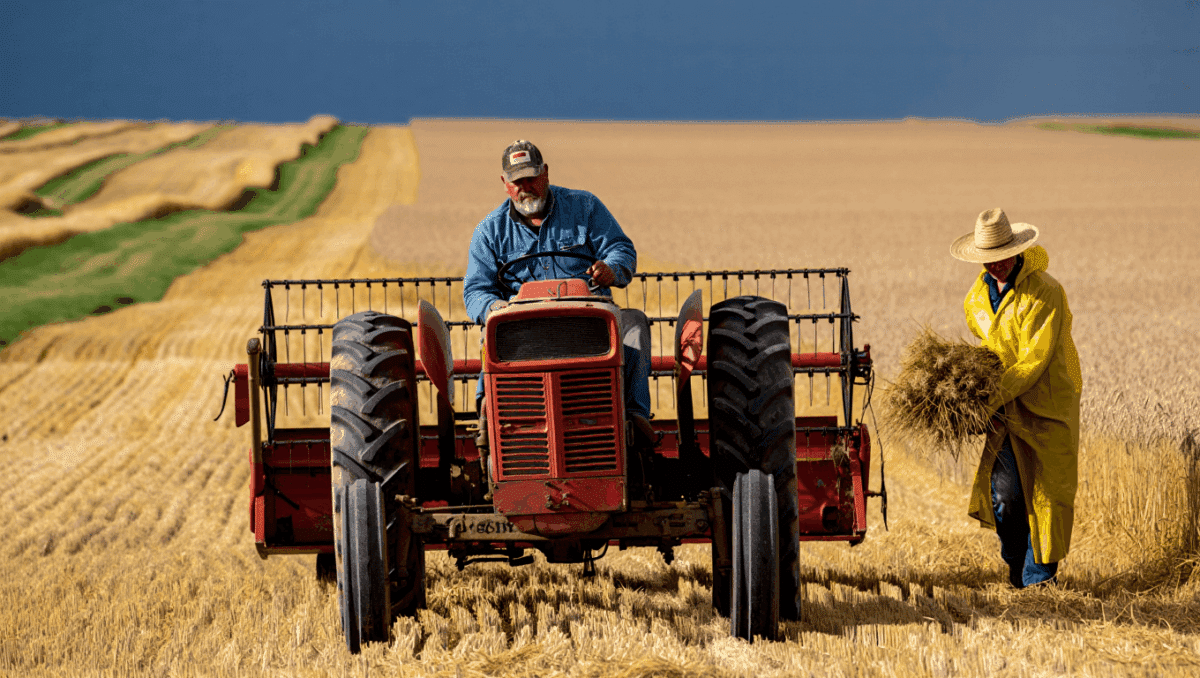
Canadian farmers are harvesting record spring yields even as a five-year drought drags on, a surprising turn that’s drawing attention across the agricultural world. A mix of long-tested soil stewardship and cutting-edge machinery is helping growers coax high-quality grain from land that would once have failed under extreme weather swings.
In southern Manitoba, a fourth-generation farmer watching his combines fill with plump wheat told reporters the result is the product of continual adjustments — small changes across seasons that add up to resilience. Much of this extra grain will be exported to feed communities abroad, underscoring how farm-level innovation is reshaping global food supplies.
Why yields climbed during a persistent drought: key data and trends
The Growing Demand for Data-Driven Decision Making in Silicon Valley
He quit, ran out of money, and begged to come back — here’s how his boss reacted
Government figures show spring wheat yields hit about 58.8 bushels per acre this year, a substantial rise compared with past decades. Analysts note that yields have improved roughly 77% versus 30 years ago when measured on a three-year average, reflecting steady productivity gains even as rainfall patterns have become less reliable since 2020.
Farmers and agronomists point to two broad drivers: improved soil health practices that conserve moisture and biological fertility, and precision technologies that optimize planting, fertilizing, and water management.
Regenerative practices restoring soil and stabilizing production
Across the Canadian Prairies, many producers have shifted away from conventional tillage to approaches that protect the living layer of the soil. The move has been dramatic: roughly three-quarters of growers in Saskatchewan, Manitoba and Alberta now seed without tilling, leaving crop residues intact year-round.
- Zero-till: By avoiding deep plowing, farmers keep the soil microbiome — bacteria, fungi and other organisms — sheltered from sunlight and disruption. That web of life improves nutrient cycling, retains moisture, and helps plants resist stress.
- Cover crops: Planting clover or other low-impact species between main crops shields the ground from erosion and sun exposure, while adding organic matter that feeds microbes.
- Intercropping: Growing compatible crops together can suppress weeds, reduce pest pressure, and make better use of available soil moisture and nutrients.
- Livestock integration: Managed grazing over stubble returns nutrients and compacts soil in ways that can increase water infiltration and fertility ahead of the next planting.
Farmers say these techniques make fields more buffered against the extremes of heavy rain followed by sharp drying — conditions that once would have ruined a crop.
Technology on the ground: precision gear and drainage systems
Alongside biological strategies, high-tech equipment is changing what’s possible on the farm. Modern combines, GPS-guided tractors, and data-driven seeders let operators target inputs with far greater accuracy than older machines allowed.
- Autonomous and GPS-guided machinery reduce overlap, save fuel and allow precise seeding depths and patterns that improve germination.
- Variable-rate fertilizer and slow-release formulations cut nutrient waste and sustain crops when water is limited.
- Tile drainage — networks of buried pipes that move excess water away from the surface — protect soil structure during intense rains and prevent waterlogging that can follow by preserving root health.
- Precision herbicide application lowers chemical use by targeting only where weeds are present, helping maintain beneficial ground cover.
These systems can carry high upfront price tags — smart combines and advanced drills may top into six figures — but farmers report meaningful annual savings in fuel, inputs and labor that offset investment over time.
How soil biology and less tillage reduce chemical dependency
Leaving crop residues and living roots in the soil fosters a more balanced ecosystem belowground. When the microbial community is intact, plants gain stronger natural defenses and nutrient exchange becomes more efficient. That reduces reliance on herbicides and pesticides, because weed and pest pressures are less severe in well-structured, biologically active soils.
Producers describe the effect as a slow compounding benefit: each season of minimal disturbance and cover cropping builds more resilience into the field, making yields more consistent even under erratic weather.
Economic trade-offs: up-front costs versus long-term returns
Adopting both regenerative practices and precision equipment is often capital-intensive. Farmers must weigh the cost of tile drainage installation, high-tech tractors, and new seeding systems against uncertain short-term budgets. Still, many report:
- Lower annual spending on fuel, water, fertilizers and pesticides;
- Reduced soil erosion and improved moisture retention that stabilizes yields;
- Better marketable grain quality that can fetch higher prices for export.
For those who can afford the transition, the combination of ecological and technological changes has turned marginal acres into productive, exportable grain sources that help meet international demand.
Lessons for similar dryland farming regions worldwide
Observers in other grain-growing nations, including parts of Australia facing comparable dryness, are watching Canadian results closely. The success story emerging on the Prairies suggests a model: blend regenerative soil practices with targeted technology to protect production from climate volatility.
That model doesn’t eliminate risk, but it does shift the balance toward systems that rebuild soil, cut inputs and make each acre more resilient to the extremes of modern weather patterns — a shift that may be essential as droughts become more frequent.
You might also like:
- Ethiopian farmers save thousands with solar irrigation and cut emissions
- Rice prices hit 18-year low as yields per acre double
- French farmers grow tropical fruit as warming climate makes new crops possible
- Grain bank accounts help Indian farmers bypass middlemen via online marketplace
- Michigan apple growers hit with big losses despite bumper harvest

Michael Thompson is an experienced journalist covering U.S. and global news. With ten years on the front lines, he breaks down political and economic stories that matter. His precise writing and keen attention to detail help you grasp the real‑world impact of every event.


Man, seeing farmers workin so hard despite the drought is inspiring. Theyre like natures magicians, pullin harvests outta thin air! Gotta respect the hustle, mix of new tricks and old-school wisdom. Mother Earths got some real warriors!
Man, these farmers are like magicians pulling off a show despite the drought! Its wild how they blend old-school methods with cutting-edge tech. Nature and innovation teaming up for the win!
Man, these farmers are like natures magicians, pulling off a bountiful harvest despite the drought. Its like watching a master at work, blending new tech with old-school wisdom. Respect.
Man, those farmers are like natures magicians, pulling off a harvest stunt during a drought! Hats off to their hustle, blending new tech with old-school wisdom. Mother Earths MVPs, for real.
Man, back in the day, my grandpa swore by those old-school farming tricks. Nice to see farmers blending tradition with new tech to tackle the drought. Innovation meets heritage, huh? Gotta respect that hustle!
Man, these farmers are like magicians pulling off a show during a drought. Respect for blending new tech with old-school methods to keep those harvests coming. Mother Nature aint got nothing on them!
Man, those farmers are like the OG problem solvers, rocking new and old school methods to keep those yields poppin. Drought aint got nothin on em! Respect for that hustle!
Man, these farmers are like superheroes, beating drought with new and old tricks. Its like watching a masterclass in resilience and innovation. Mother Nature, you aint got nothing on these folks!
Dude, these farmers? Absolute legends! Theyre out here hustling like its nobodys business, showing Mother Nature whos boss. Its like they got a secret stash of superhero capes hidden in those fields. Makes you wonder…maybe we should all start growing our own capes, huh?
Man, back in my grandpas day, they had no fancy tech. Just hard work and old-school methods. Respect to these farmers nailing their harvests even with the drought. Real grit right there.
Man, back in my day, we didnt have all these fancy gadgets. Good to see farmers adapting, using tech and old-school tricks to beat that stubborn drought. Innovation meets tradition, huh?
Oh, I feel ya! Back in the day, it was all about elbow grease and a bit of luck, right? Seeing farmers now with their tech-savvy moves mixed with old-school charm against that stubborn drought? Its like watching a classic movie with a futuristic twist. Gotta hand it to em for blending innovation with tradition like a boss.
Man, I remember the days when my grandpa talked about farming like it was magic. Now, seeing farmers using both new techniques and old wisdom to beat droughts? Thats some real-life wizardry at work!
Man, those farmers sure are resilient! Despite the stubborn drought, theyre pulling off some impressive harvests with new tricks and old-school know-how. Mother Nature may throw punches, but theyre fighting back with all theyve got. Respect!
Man, seeing those farmers crush it despite the drought hits home. My grandpa used to say, In tough times, the land whispers the secrets of survival. Guess he was onto something. Old school wisdom meets new school tech – love it.
Dang, these farmers are like real-life magicians, pulling harvests outta thin air during a drought. Old school meets new school, I dig it. Mother Nature aint got nothin on their hustle!
Yo, I feel ya! Those farmers are straight-up wizards, man. Its like theyre out there playing a real-life game of Harvest Moon or something. Natures like, Imma dry up everything, and theyre just like, Hold my tractor. Mad respect for those old-school meets new-school hustlers!