
Show summary Hide summary
- Golden Globes 2026: gestures, gags and missed opportunities
- Where the political context met the red carpet
- Who used their platform — and how
- When celebrity neutrality meets measurable influence
- Industry dynamics: why many stars stay cautious
- Symbolic fashion versus targeted action: what advocates want to see
- Voices pushing for collective responsibility inside Hollywood
- What to watch during the rest of awards season
The 83rd Golden Globe Awards landed on the calendar with all the glitter the industry can summon — but for many viewers it felt oddly disconnected from the moment. The show opened with host Nikki Glaser wryly calling the night “the most important thing happening in the world right now,” a joke that landed like a shrug rather than a challenge, and the rest of the evening mostly followed suit.
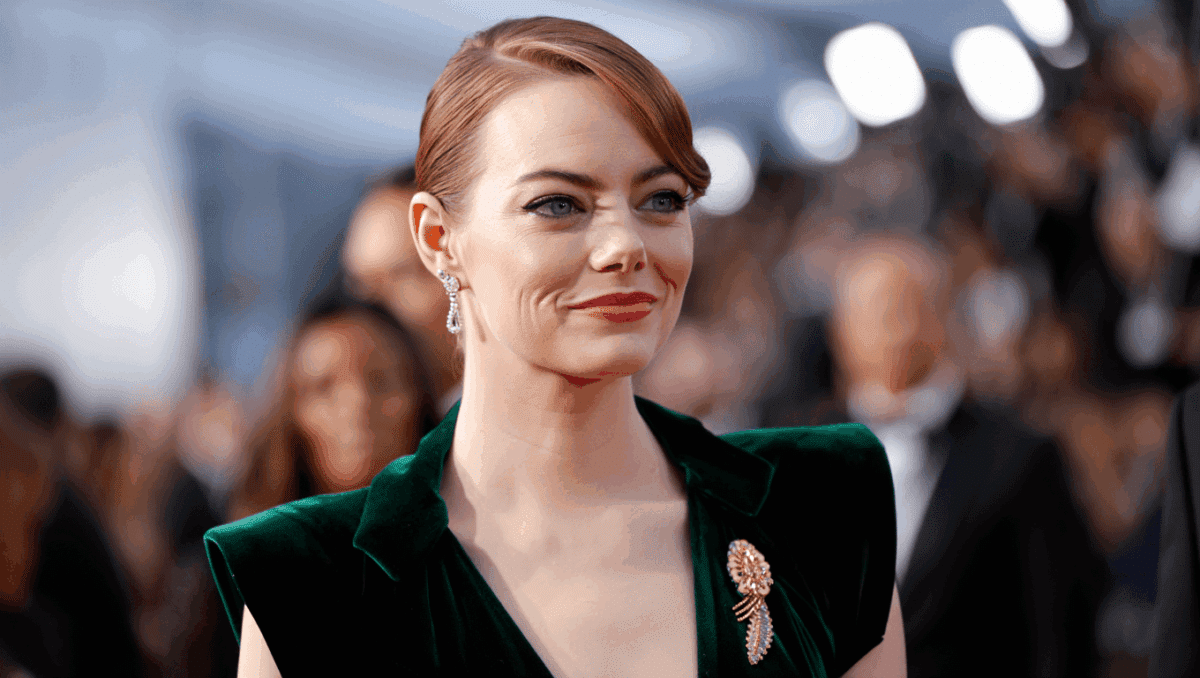
Between red-carpet pins and brief, cautious remarks, the ceremony offered flashes of protest but stopped short of sustained political engagement. Against a backdrop of intense national debate over immigration, reproductive rights, and transgender health care, the Globes mostly maintained the usual awards-season choreography: thanks, tears, and fashion statements — but little sustained civic pressure.
Golden Globes 2026: gestures, gags and missed opportunities
The Growing Demand for Data-Driven Decision Making in Silicon Valley
He quit, ran out of money, and begged to come back — here’s how his boss reacted
On paper, the Globes seemed to tiptoe toward politics. Several stars sported small lapel pins and made short comments about urgent issues, while presenters sprinkled ironic jabs and scripted humor into their banter. Yet the event rarely pushed beyond symbolic gestures into direct calls for action or accountability.
Examples from the broadcast underlined the disconnect between performative solidarity and concrete engagement:
- Presenters Kathryn Hahn and Melissa McCarthy offered a sarcastic riff about men finally getting credit for their range — a comedic attempt at critique that landed as lightweight rather than incisive.
- Noah Wyle, honored for his role in a healthcare drama, thanked medical workers broadly but didn’t use the moment to spotlight concrete problems facing the health system today.
- Films and series that dramatize political struggles — including a satire targeting anti-immigrant extremism — won awards without their makers or stars directly confronting the real-world issues the projects engage.
Moments of irony and irony-lite dominated — and for critics who wanted to see the stage used as a platform for clear demands, that wasn’t enough.
Where the political context met the red carpet
The larger political landscape heading into the awards season made the soft-pedaled response stand out. Over the past year, the federal government enacted a series of measures and policy proposals that have triggered widespread concern among civil-rights groups and affected communities:
- Changes to workplace DEI programs and public-sector diversity efforts.
- Executive actions aimed at narrowing birthright citizenship and restricting refugee admissions.
- Administrative moves that reframe legal definitions of sex and propose pauses on gender-affirming medical care for transgender people.
- Increased enforcement resources for Immigration and Customs Enforcement (ICE), including reported deployments of federal forces and a controversial recruitment push.
These developments have coincided with high-profile tragedies and confrontations involving immigrants and enforcement actions, which some attendees referenced on the carpet. Yet the ceremony itself largely avoided sustained, on-stage reckonings with those realities.
Who used their platform — and how
Not everyone stayed silent. A handful of actors used the red carpet and televised moments to name victims and call attention to specific harms.
- Natasha Lyonne publicly wore an “ICE OUT” pin and urged people not to normalize what’s happening, explicitly naming Renee Good, who was killed in an encounter with enforcement agents.
- Several performers, including Tessa Thompson, Wanda Sykes, and Mark Ruffalo, adopted pins and small visual protests tied to anti-ICE advocacy or humanitarian campaigns like Artists4Ceasefire.
- Jean Smart, accepting an award, said she had already voiced her concerns on the carpet and encouraged people to “do the right thing,” signaling an attempt to balance on-stage restraint with red-carpet candor.
Those moments mattered to advocates — but many viewers and activists want more than pins and platitudes; they want celebrities to translate visibility into sustained pressure.
On-the-record remarks and blunt red-carpet talk
Some attendees were blunt. Actress Yvette Nicole Brown told reporters that the current administration was a source of deep alarm and warned audiences to brace for intensifying consequences. Jameela Jamil, speaking at a separate nominees event, questioned why so few of her peers speak up and suggested that reliance on isolated outspoken figures lets the rest of the industry off the hook.
When celebrity neutrality meets measurable influence
There’s a long-running debate about whether stars should wield their fame to sway public opinion or politics — and whether such efforts actually work. Some high-profile examples suggest celebrity voices can move people and resources in measurable ways.
- Taylor Swift’s public endorsement in the 2024 election reportedly sent hundreds of thousands of visitors to voter-registration resources within a day.
- Nicola Coughlan’s sustained social-media advocacy for Palestinian relief organizations has helped drive millions in donations.
These instances complicate arguments that celebrities have no real impact. The counterargument comes from performers like Jennifer Lawrence, who told interviewers she felt celebrity political statements don’t change voting behavior and that airing personal views risks further polarizing an already divided public. Her stance reflects a broader reticence among industry figures who worry about alienating audiences and jeopardizing box-office returns or distribution deals.
Industry dynamics: why many stars stay cautious
The entertainment business is structured around commercial partnerships, studio relationships, and audience appeal — incentives that can discourage blunt political engagement. A few key dynamics help explain the restraint observed at awards shows:
- Studios and brands often prefer neutrality to avoid controversy that could affect marketing and release plans.
- Actors and filmmakers with global audiences may fear statements that could hamper international distribution.
- Some performers worry a public political stance will overshadow their work or reduce ticket sales for projects designed to spark social reflection.
At the same time, critics argue that hedging political statements is a form of complicity: by prioritizing profit and access, cultural figures may abandon their capacity to influence public debate when stakes are high.
Symbolic fashion versus targeted action: what advocates want to see
Fashion has always been a political tool on the red carpet — from AIDS-awareness ribbons to shirts calling for reform. But advocacy groups say visual cues are only a starting point. Organizers and activists want celebrities and studios to follow up with concrete steps:
- Using press cycles to promote verified relief funds, voter-registration tools, or legal-aid resources.
- Refusing red-carpet appearances or award-platforms until institutions address ethical concerns tied to enforcement policies or discriminatory laws.
- Leveraging production budgets and hiring practices to support affected communities and create long-term visibility for underrepresented voices.
Advocates stress that visibility without action risks becoming performative. Small lapel pins and guarded acceptance speeches can draw attention, but they rarely shift policy without follow-through.
Voices pushing for collective responsibility inside Hollywood
Some figures inside the industry have been explicit about shifting expectations. Activists and outspoken artists argue that when a handful of stars carry the burden of speaking out, the moment becomes individual bravery rather than an industry-wide duty.
Jameela Jamil, among others, has criticized the tendency to frame activism as exceptional when it comes from celebrities, suggesting that the media and public too often single out individual “brave” actors instead of calling for collective action from those who benefit from massive platforms.
What to watch during the rest of awards season
As the next weeks of ceremonies approach, viewers and organizers will be paying attention to a few concrete markers of whether Hollywood is moving beyond symbolism:
- Will winners use acceptance speeches to name specific policies, organizations, or calls to action?
- Do red-carpet protests come with links, fundraisers, or partnerships that translate visibility into resources?
- Are studios and A-list stars willing to withhold attendance or publicity in solidarity with affected communities?
- Will the press hold celebrities accountable by following up on how public statements are turned into sustained efforts?
Those questions will shape how the public interprets the Globes and other ceremonies: as fleeting attention or as the start of longer-term engagement.
You might also like:
- Best Golden Globes looks since 1989: the most iconic red carpet moments
- 2026 MTV Video Music Awards red carpet celebrity moments everyone will be talking about
- Stunning 2025 MTV VMAs Fashion: See All the Red Carpet Looks!
- 2026 Critics Choice Awards red carpet looks: the best celebrity fashion from the ceremony
- K-pop Demon Hunters make Oscars history: why the show cut their celebration

David Miller is an entertainment expert with a passion for film, music, and series. With eight years in cultural criticism, he takes you behind the scenes of productions and studios. His energetic style guides you to the next big releases and trending sensations.


Man, those Golden Globes pins were bold! Some stars rockin em with style, others just slapped em on. Fashion statement or activism? Who cares, as long as they spark convo! ✨
Man, those Golden Globes political pins are like the accessories that make or break an outfit, yknow? Some folks wear em like a badge of honor, others just for show. Wonder if they actually spark change or its all for the cameras.
Oh, the Golden Globes and their political pin game. Some stars wear those pins like theyre running for office, while others keep it low-key. Makes you wonder if its about activism or just a trendy accessory. What do you think?
Man, those political pins on the Golden Globes red carpet, its like a silent protest meets a fashion show. Wonder if the stars feel pressured to wear em or if its genuine activism. Whats your take?
Oh man, I feel ya! Its like Hollywoods own mix of runway and rally, right? Wonder if theyre rocking those pins cause theyre truly on board or just playing along for the cameras. Its like, are they walking the talk or just talking the walk? Whats your gut telling ya?
I remember when celebs wore those political pins at the Golden Globes. Some say its just a fashion thing, but hey, if it sparks convo, why not? Better than those cringy speeches, right?
Man, those celebs and their political pins at the Golden Globes. Are they really making a difference or just trying to look woke? Fashion statement or genuine activism, who knows? Its like a red carpet debate every year.
Man, these celebs wearing political pins at the Golden Globes… Are they really making a difference or just doing it for show? Like, wheres the line between genuine activism and trendy fashion statements? Its a fine line, I tell ya.
Man, those political pins at the Golden Globes got me thinking. Are they just a fashion accessory or do they carry some real activism weight? Im all for using the red carpet to make a statement, but is it really making a difference?
Dude, I hear you! Those political pins at the Golden Globes got me like, Whats the deal, really? I mean, are they just bling or do they pack a punch? Its cool to rock the red carpet for a cause, but does it actually move the needle, ya know? Its like, are we sparking change or just a fashion trend? What do you think, man?
Man, these celebs wearing political pins at the Golden Globes, like, is it all for show or do they really care? Some make it look like a statement, others just a fashion accessory. Whats your take on these red carpet activists?
Man, those political pins at the Golden Globes, on point or just for show? Its like, are they really making a difference or just adding some sparkle to the red carpet? Wonder if anyones gonna spill the tea on that.
Yo, for real! Those political pins at the Golden Globes got me wondering too. Are they actually makin waves or just shiny distractions? Its like, spill the tea already! Lets see if anyones got the guts to spill some real talk on that red carpet bling. Lets stir up some drama, huh?
I mean, aint it a bit funny seeing all the fancy celebs rockin those political pins at the Golden Globes? Like, is it real activism or just a trendy accessory for em? Its like high-stakes fashion poker, but with a message, yknow?
Man, these celebs rockin political pins at the Golden Globes got me thinkin. Is it just for show or they walkin the talk? Hope they keep speakin up beyond the red carpet, yknow?