
Show summary Hide summary
- Tracing the arc: from breakthrough wins to recent plateaus
- What the 2026 voting season reveals about green parties
- Why voters are shifting — factors behind the slowing momentum
- Where greens still hold advantage: policy influence and urban strongholds
- Strategic crossroads: how green movements are adapting
- Media, perception, and the narrative battle
- What to watch next: signals that will determine future momentum
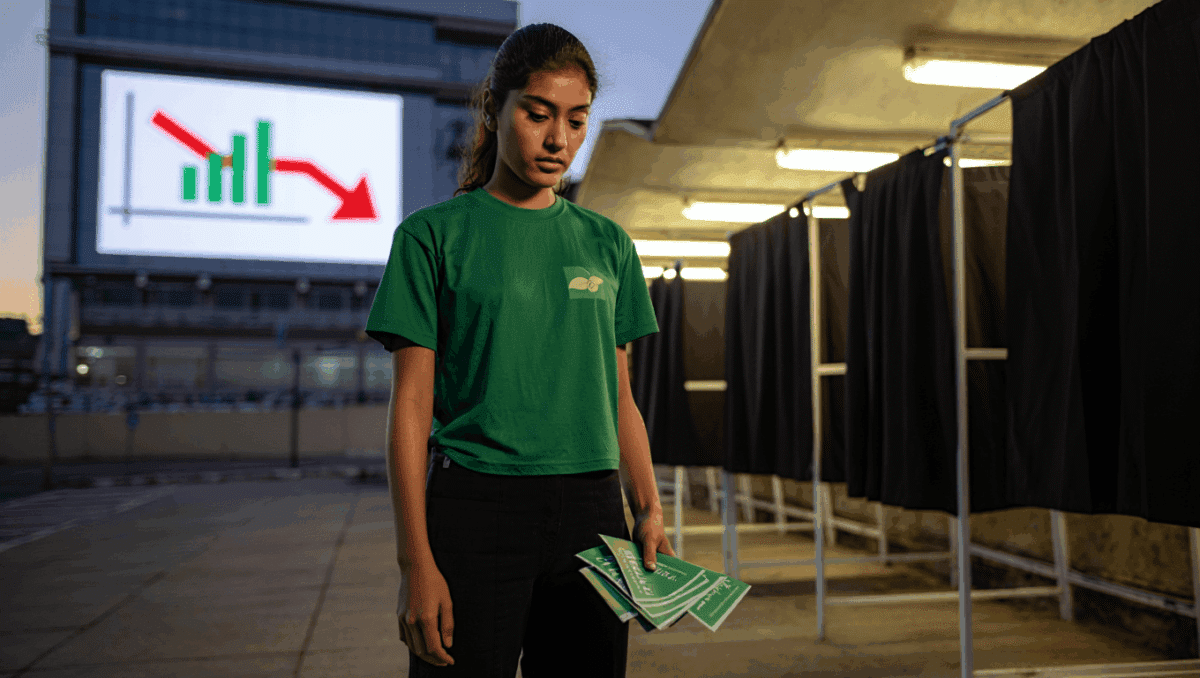
After a decade of steady gains and high-profile breakthroughs, the momentum behind green political movements looks less certain than it once did. What once felt like an unstoppable “green wave” — driven by rising concern over climate change, youth activism, and a coalition of progressive causes — has encountered a series of political headwinds this year that have left analysts asking whether that surge has slowed to a trickle.
Across cities and national contests in 2026, results have been mixed: moments of local triumph sit alongside surprising defeats, and policy wins in parliaments contrast with disappointing vote shares at the ballot box. The debate now centers on whether this is a temporary ebb, a recalibration, or evidence that green parties must evolve their strategies to remain competitive.
Tracing the arc: from breakthrough wins to recent plateaus
The rise of environmentally focused parties and candidates was propelled by several converging forces: persistent climate anxiety, mobilized young voters, and a media cycle more willing to spotlight ecological crises. For a period, greens translated activism into electoral power, influencing policy agendas and building visibility in parliaments, city halls, and coalition governments.
The Growing Demand for Data-Driven Decision Making in Silicon Valley
He quit, ran out of money, and begged to come back — here’s how his boss reacted
But political fortunes are cyclical, and the last year has exposed vulnerabilities. In many places, green groups benefited from being the clearest voice on climate; now they face tougher choices about how to broaden appeal without alienating core supporters. Electoral momentum depends as much on messaging and coalition-building as on issue salience.
What the 2026 voting season reveals about green parties
This spring’s ballots offered a nuanced picture rather than a single narrative. Some municipal campaigns showcased effective local organizing and concrete climate policies that resonated with voters. Elsewhere, greens underperformed expectations, losing ground where campaigns focused heavily on abstract climate rhetoric rather than bread-and-butter concerns.
Patterns in the results
- Strong urban performances where greens presented tangible plans for transport, housing, and jobs tied to green transitions.
- Weak showings in regions affected by economic anxiety or where opponents framed climate initiatives as a threat to livelihoods.
- Varying outcomes for green-aligned independents and candidates within broader progressive coalitions versus standalone Green parties.
Political scientists note that the label “green” now competes with a crowded progressive field. When environmental priorities are embedded within larger progressive platforms, traditional Green parties sometimes struggle to justify their separate branding.
Why voters are shifting — factors behind the slowing momentum
Several dynamics explain the cooling enthusiasm in certain electorates. None of them point to a single cause, but together they suggest a complex recalibration.
- Issue fatigue and competing priorities: Voters juggling inflation, housing shortages, and public services may deprioritize broader climate messaging that lacks immediate, local impact.
- Perceived trade-offs: Opponents often portray green policies as costly or disruptive, which can sway voters worried about short-term economic risks.
- Strategic fragmentation: Where multiple green and progressive organizations split the vote, electoral gains can be diluted.
- Implementation gaps: Parties that helped enact green policies while in coalition governments sometimes face voter backlash when promised benefits don’t materialize quickly.
Where greens still hold advantage: policy influence and urban strongholds
Even when vote totals dip, green movements exert outsized influence on political discourse and policy. Climate commitments have entered mainstream platforms, and many governing coalitions now include environmental benchmarks once considered fringe. City governments, in particular, remain fertile ground for green initiatives because municipal actions on transit, waste, and land use yield visible outcomes.
Examples of continuing strengths
- Policy wins in transportation electrification, bike infrastructure, and urban zoning reforms.
- Powerful presence in university towns and younger demographics where sustainable lifestyles align with political choices.
- Coalition leverage that can push larger parties to adopt stronger climate provisions.
Strategic crossroads: how green movements are adapting
Faced with uneven electoral returns, many green organizations are rethinking tactics. The emerging playbook emphasizes pragmatic governance, local credibility, and broader issue integration.
- Local-first organizing: Concentrating resources on municipalities where tangible green projects can be delivered and showcased.
- Broader economic messaging: Connecting climate policy to job creation, energy affordability, and public health to appeal across demographics.
- Flexible alliances: Entering tactical electoral pacts or cooperating with other progressive parties to avoid vote-splitting.
- Policy realism: Prioritizing achievable short-term wins alongside ambitious long-term goals to sustain voter trust.
Media, perception, and the narrative battle
Public perception remains a decisive battleground. The media spotlight that once cast greens as the vanguard of moral urgency now scrutinizes their pragmatism in power. Opponents amplify stories of policy costs and implementation delays, while proponents must demonstrate competence as governing partners.
Winning the narrative requires both bold framing and a record of delivery — a balance many greens are only beginning to master at scale.
What to watch next: signals that will determine future momentum
Observers will be tracking several indicators to see whether this period marks a temporary downturn or a lasting shift.
- Upcoming regional and national contests where greens either consolidate power or cede ground to mainstream parties.
- Local policy wins that produce measurable benefits for communities and translate into voter confidence.
- Organizational decisions about alliances and whether greens prioritize governing influence over ideological purity.
- Generational turnout trends, since youth engagement is a key predictor of long-term strength for eco-focused movements.
Political dynamics seldom move in straight lines. While the “green wave” that once seemed unstoppable may have slowed in some arenas, the underlying forces driving environmental politics — scientific urgency, economic shifts toward clean technology, and demographic change — remain potent. How green parties translate those forces into sustained electoral success will depend on strategy, messaging, and tangible results delivered where voters feel them most.
You might also like:
- Islamo-left alliance: are Gorton and Denton making one final push?
- Aberdeen South result: why it doesn’t signal a Conservative revival
- Caerphilly result: anti-Farageists claim pyrrhic victory over Farage
- Elsewheres: who they are after anywheres vs somewheres
- England protests spread nationwide as public revolt grows over government policy

Robert Johnson is a dedicated columnist focusing on political and social debates. With twelve years in editorial writing, he provides nuanced, well‑argued perspectives. His commentaries invite you to form your own views and engage in critical issues.


Man, I remember when the green wave was crashing hard, now its like a slow trickle. What gives, voters? Are we over the eco-hype or just looking for more substance? Time for the greens to step up their game!
Man, I remember when the Green wave was unstoppable. What happened in 2026? Gotta dig into those patterns and voter shifts. Green parties need to up their game, yo. Time for some serious introspection.
Man, I remember when the green wave was all the rage! Now it seems like its losing its momentum. Wonder whats up with that. Maybe folks are looking for a different shade of change.
Man, saw the green wave hype coming from a mile away. Always thought it was too good to be true. Wonder what went wrong this time. Maybe folks are getting tired of the same old promises without solid results.
Man, that green wave started strong, but now? Its like watching a balloon deflate slowly. Wonder whats up with the voters these days. Are they getting cold feet or just tired of the same ol promises? Time for some fresh ideas, maybe?
Man, that green wave seemed unstoppable, but hey, nothing lasts forever, right? Politics is like a rollercoaster – youre up one minute and down the next. Wonder whatll come next for those green parties.
Man, that green wave hit hard, didnt it? Like a tsunami of change crashing over the political landscape. But hey, youre right, nothings forever in this crazy rollercoaster of politics. Its like one day youre riding high, and the next, youre eating dust. Wonder what plot twist awaits those green parties next. Lifes full of surprises, aint it?
Man, the green wave seemed to hit a reef in the 2026 elections. Like, was it a one-hit wonder or can they ride back stronger? The vibes shifted, gotta wonder why the eco mojo hit the brakes.
Yo, bro, totally felt that green wave wipeout in 2026, right? Such a bummer. Wonder if they can make a comeback or if it was just a fluke. The eco vibes took a detour for sure. Whats your take on why the eco mojo tapped the brakes?
Man, I remember when the green wave was cresting high! Now its like a deflated balloon. Whats with the sudden fizzle? Maybe folks got tired of the same old promises. Time for a fresh eco-revolution, huh?
Man, the green wave was epic, but now, its like a deflated balloon. What happened? Voters ghosting on climate action or just a temporary setback? Time to shake things up and get back on track!
Man, the green wave was like a wildfire, but now its more like a flickering candle. Whats up with that sudden shift in the tides? Voters playing hard to get or the parties losing their sparkle? Intriguing, for sure.
Man, I remember when the green wave was surfin high, catchin all them gains. Now seems like its hittin a plateau. Wonder whats up with the voters these days. Trends are as unpredictable as my exs mood swings.
Man, I feel ya! The green wave used to be on fire, making those gains left and right. Now its like hitting a roadblock. Voters these days got me scratching my head too. Trends are as crazy as my exs mood swings, right? Wonder whats brewing in the air these days.
Dang, the green wave hit a sandbar, huh? Was hoping for a full-on tsunami, but its like the tide turned. Wonder what tripped em up this time. Back to the drawing board, eh?
Man, the Green wave seemed like it was gonna ride high forever, but reality check in 2026! Wonder whats up with the shifting tides, yknow? Trends are a wild rollercoaster these days.
Dang, aint that the truth! The Green wave was like the cool kid at the party, but reality came crashing in, huh? Its like trying to catch a wave in a storm sometimes, you never know whats coming next. Trends these days are like a box of chocolates – you never know what youre gonna get! Whats your take on the whole rollercoaster, dude?