
Show summary Hide summary
- How the Kebatu case revealed flaws in our camera-first approach
- Why boots on the ground still outperform cameras for public safety
- Who surveillance really watches: privacy and the law‑abiding
- Policy changes that could restore public safety and protect civil liberties
- A note on accountability and civic debate
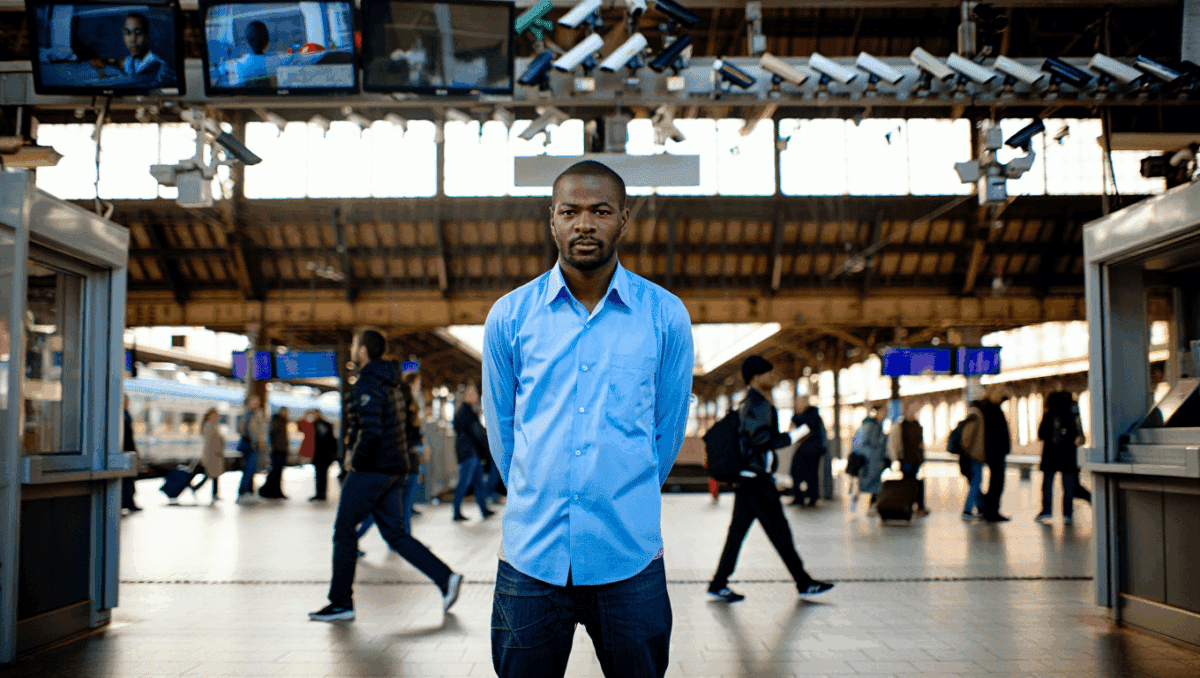
In a world where cameras line streets, train stations and storefronts, the promise has long been the same: more eyes mean more safety. That assumption faltered dramatically when Hadush Kebatu — the asylum-seeker convicted of sexually assaulting two people and mistakenly released from HMP Chelmsford — slipped out of custody and remained untraced by official surveillance for almost two days.
Instead of being immediately picked up by prison or transport CCTV, Kebatu was first recorded by a local resident in Chelmsford town center and later filmed at Stratford station in east London. That gap in the system exposes not just a single operational failure but broader questions about whether mass surveillance actually protects the public.
How the Kebatu case revealed flaws in our camera-first approach
The Growing Demand for Data-Driven Decision Making in Silicon Valley
He quit, ran out of money, and begged to come back — here’s how his boss reacted
The narrative that cameras automatically equate to security broke down during the hunt for Kebatu. Police logs show he was first seen on CCTV at Stratford at 1:12 p.m. last Friday after boarding a train, yet he remained at large until early Sunday morning. During that stretch, it wasn’t official monitoring that tracked him but a private citizen’s footage.
- Operational gaps: Cameras produce huge volumes of footage, but human review and automated alerts are often slow or fragmented across unconnected systems.
- Technology limits: Facial recognition and automated matching are imperfect — they struggle with low-quality images, occlusions, and database mismatches.
- Resource choices: Heavy investment in hardware doesn’t guarantee staffing to monitor feeds or to act quickly when an alert surfaces.
These weaknesses mean the visible deterrent effect of CCTV is often overstated. With the U.K. home to an estimated six million CCTV cameras — making it one of the most surveilled countries globally — the expected payoff in public safety isn’t matching reality. In London, violent crime has risen sharply over the past decade, and the city’s recent ranking among Europe’s more dangerous cities suggests cameras alone are not reversing criminal trends.
Why boots on the ground still outperform cameras for public safety
The fundamental trade-off is simple: a camera records, a human intervenes. Patrol officers and community policing provide visible, immediate presence and build relationships that can prevent incidents before they escalate. Studies and policing experts repeatedly show:
- Regular patrols deter opportunistic crime more effectively than passive observation.
- Officers embedded in neighborhoods gather local intelligence that cameras cannot.
- Contacts between police and residents foster trust, making witnesses more likely to come forward.
Investing in manpower and community policing is more costly up front, but it delivers benefits that ripple through neighborhoods — from improved perceptions of safety to quicker responses to crimes in progress. Cameras can help with evidence collection, but they rarely substitute for the human judgment and presence that stop many incidents from occurring at all.
Who surveillance really watches: privacy and the law‑abiding
Another uncomfortable truth is that mass surveillance systems disproportionately affect everyday, law‑abiding people. When governments expand networks of cameras and deploy facial recognition, they create a vast infrastructure that can be repurposed beyond its original intent.
- Chilling effects: Constant observation changes how people behave in public spaces and can deter legitimate activity.
- Misidentification risks: Automated systems have well-documented bias and error rates that can mislabel innocent people.
- Mission creep: Once surveillance capabilities exist, they often get used for functions far beyond crime prevention, such as tracking protesters or monitoring minorities.
When a high-profile miss like the Kebatu episode occurs, it underscores a disconnect: the apparatus meant to catch dangerous individuals can fail to do so while simultaneously expanding the state’s ability to scrutinize ordinary citizens.
Policy changes that could restore public safety and protect civil liberties
Recalibrating the balance between surveillance and policing requires concrete shifts in policy and spending priorities. Practical measures include:
- Redirecting funding toward increased street-level policing and community officers in crime hotspots.
- Restricting real-time facial recognition use with strict legal oversight, independent audits and transparent reporting.
- Improving data interoperability and rapid-response protocols so footage and alerts are actionable when they matter.
- Setting clear limits on retention, access and secondary use of surveillance footage to prevent mission creep.
- Investing in training for police to work with digital evidence while strengthening community partnerships.
These steps would shift the emphasis from passive observation to active prevention, while placing safeguards around citizens’ privacy. Public safety should not come at the cost of constant, unchecked monitoring of ordinary life.
A note on accountability and civic debate
Public debate matters when technologies that can observe billions of public movements are deployed. Citizens and lawmakers must demand transparency about how systems are used, who has access to data and what oversight mechanisms exist. Only through open discussion and clear rules can democratic societies prevent surveillance from becoming an instrument that targets the innocent more than the guilty.
About the author
Ted Newson is a political commentator with Young Voices, focusing on civil liberties and public-policy issues.
You might also like:
- Miami police unveil self-driving, drone-launching patrol car
- Digital ID threatens individual rights and personal privacy
- Police Transform into Controversial Enforcers for Trans Activists: A Deep Dive into the Shift
- Maccabi Tel Aviv scandal exposes police corruption in Israel
- Henry Nowak mistreatment: new details reveal merciless abuse

Robert Johnson is a dedicated columnist focusing on political and social debates. With twelve years in editorial writing, he provides nuanced, well‑argued perspectives. His commentaries invite you to form your own views and engage in critical issues.


Man, Kebatus reveal on surveillance got me thinkin. Cameras? Maybe not the all-seeing eye we thought. Privacy vs. safety – its a fine line. Are we really safer with Big Brother watchin?
Man, Kebatu really shook things up with that reveal, huh? Makes you wonder whos *really* watching, yknow? Boots on the ground might still have the upper hand, after all. Privacys a rare gem these days.
Man, Kebatu really shook things up, huh? Reminds me of that time I caught my neighbor spying through my window. Cameras aint foolproof, folks. Sometimes old-fashioned snooping does the trick too.
Man, Kebatus case really had me trippin. Like, whos watching the watchers, you know? Cameras are one thing, but when they start sniffin round our lives without cause, its a whole new ball game. Time to rethink this surveillance overdrive, folks.
Man, Kebatus case shines a light on how our obsession with surveillance aint all its cracked up to be. Whos really watching? Cameras cant replace good ol human intuition and interaction for public safety. Time for a reality check, folks.
Man, talk about a wake-up call! Kebatus really threw a curveball with that case, huh? Its like a reality check smack in the face. Trusting cameras over human judgment? Thats a recipe for disaster. Whos pulling the strings in this surveillance puppet show anyway? Time to rethink our priorities, folks.
Man, Kebatu really blew the lid off the surveillance mess, huh? Makes you wonder whos watching who these days. Maybe its time we rethink this camera craze and focus on real solutions.
Man, Kebatu really shook things up with that expose. Makes you wonder how much were being watched, yknow? Maybe we need more human touch in keeping the peace. Cameras aint everything.
Yo, I always knew those cameras were up to no good! Hadush Kebatus story just confirms it. Time to rethink this whole surveillance obsession and get back to relying on good ol human intuition.
Man, Hadush Kebatu really shook things up, huh? Makes you think twice about all those cameras, doesnt it? Sometimes old-school methods like boots on the ground still got the upper hand. Privacy matters, folks!
Man, this Kebatu case is like a wake-up call, yknow? Cameras everywhere, but still cant stop the real threats. Maybe we need more than just a fancy lens to keep us safe. Boots on the ground, anyone?
Man, Kebatu really shook things up with that expose! Cameras aint all-seeing saviors, huh? Better believe boots on the ground still got the edge. Privacys the price, but wheres the line, yknow?
Man, Kebatus case really got me thinking. Are we too caught up in surveillance tech, forgetting the good ol boots-on-the-ground approach? Privacy vs. safety – a real tug-of-war. Time for some policy soul-searching, folks.
Man, Kebatus case really cracked open the surveillance state can of worms, innit? Makes you wonder whos watching who, and if all this camera jazz is really keeping us safe or just snooping on regular folk.
Man, Hadush Kebatu really shook things up with that reveal. Got me thinkin, maybe old-school methods still got the edge on all these cameras. Privacy vs. safety, ya know? Whats your take on this whole debacle?
Man, Kebatu really flipped the script on this one. The whole surveillance state gig? Big brother watching over us and all. Makes you wonder whos the real threat out there. Time to rethink our priorities, I say.