
Show summary Hide summary
- Why immigration has become the defining political issue of this era
- Border management and legal immigration channels: finding a workable balance
- Economic effects: how migration shapes jobs, wages, and innovation
- Humanitarian dimensions: asylum systems, refugees, and climate migrants
- Policy options on the table: practical reforms being discussed
- Public opinion and local responses: what communities want
- Technology, data, and the future of migration management
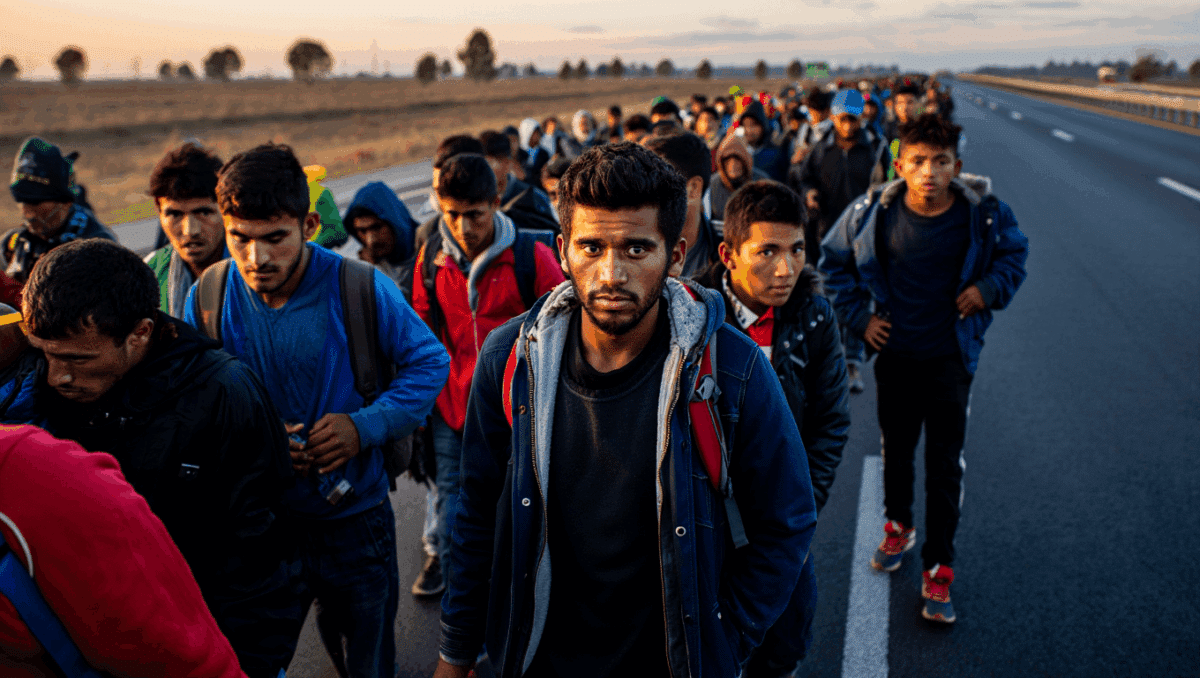
Immigration is reshaping politics, economies, and communities worldwide. As debates intensify across city halls and national capitals, the issue refuses to be sidelined. From labor shortages in essential industries to humanitarian crises at borders, immigration now frames policy choices and voter priorities in ways few other topics do.
Policymakers, business leaders, and grassroots organizers are all racing to adapt: some push for tighter enforcement and clearer borders, others argue for expanded legal pathways and integration programs. The result is a conflict of values and practical needs that will shape the next decade of governance and social cohesion.
Why immigration has become the defining political issue of this era
The Growing Demand for Data-Driven Decision Making in Silicon Valley
He quit, ran out of money, and begged to come back — here’s how his boss reacted
Immigration no longer sits on the periphery of public policy. It intersects with aging populations, shifting labor markets, climate-driven displacement, and national security concerns. As such, it lands squarely in the middle of campaigns, media coverage, and daily conversations.
- Demographics: Declining birthrates in many developed countries increase demand for working-age migrants to sustain economies and public services.
- Labor needs: Sectors like agriculture, healthcare, construction, and tech depend on migrant labor. Employers urge policymakers to create predictable channels for workers.
- Humanitarian pressures: Conflict and climate events are producing more asylum seekers and refugees, stretching asylum systems.
- Political salience: Parties across the spectrum use immigration to mobilize voters—either by promising stricter controls or proposing reforms to regularize status.
Border management and legal immigration channels: finding a workable balance
Border control is often framed as a binary choice between open and closed systems, but reality is more complicated. Effective policy typically combines secure borders with accessible legal pathways, enforcement that targets criminal activity rather than families, and technology that streamlines processes.
Measures being debated
- Increased use of biometric screening and data-sharing to speed processing and reduce fraud.
- Expanded visa programs tied to labor market needs, including short-term and seasonal worker streams.
- Investment in adjudication capacity to cut backlogs for asylum and family reunification cases.
- Targeted enforcement against human smuggling networks, paired with protections for victims.
Experts emphasize that bottlenecks in legal processing push people toward dangerous irregular routes, so improving the legal system is as much a security strategy as a humanitarian one.
Economic effects: how migration shapes jobs, wages, and innovation
Immigration affects economies in multifaceted ways. While the short-term impact on wages may vary by sector and skill level, migration frequently fills critical labor shortages and contributes to overall growth.
- Workforce supply: Migrants often occupy jobs that native-born workers are unwilling or unable to fill, keeping key industries operating.
- Entrepreneurship and innovation: Immigrants disproportionately start new businesses and drive innovation in technology and research.
- Fiscal balance: The net fiscal impact depends on migrants’ age, skill mix, and access to social services; many studies show long-term benefits when integration is successful.
Business groups warn that restrictive immigration policies risk labor shortages and higher costs, while opponents argue for protecting domestic workers. Policymakers face the task of crafting rules that support both economic competitiveness and fair labor standards.
Humanitarian dimensions: asylum systems, refugees, and climate migrants
Increasingly, immigration policy must account for people fleeing not only war but also environmental disasters and economic collapse. Traditional asylum frameworks are strained by higher caseloads and by new categories of displacement that current law doesn’t clearly cover.
Challenges inside the asylum system
- Lengthy backlogs and limited shelter capacity create humanitarian and legal dilemmas.
- Ambiguous legal status for climate-displaced persons leaves many without protection.
- Coordination among national, regional, and international agencies is often fragmented.
Humanitarian advocates call for reforms that speed adjudication, expand temporary protection mechanisms, and increase funding for resettlement and community support programs.
Policy options on the table: practical reforms being discussed
Policymakers are experimenting with a mix of administrative fixes, legislative proposals, and international cooperation agreements. The most viable reforms focus on predictability, transparency, and enforcement targeted at abuse rather than broad restrictions.
- Implementing merit- and need-based visa streams that align with labor market analytics.
- Streamlining family reunification procedures to reduce irregular migration incentives.
- Creating regional compacts to share responsibility for refugees and asylum seekers.
- Investing in integration: language training, credential recognition, and job placement services.
Some proposals are controversial and politically charged, but policymakers across the spectrum acknowledge that piecemeal, short-term fixes will not solve systemic issues.
Public opinion and local responses: what communities want
Views on immigration vary widely by region, economic conditions, and personal experience. Cities that have successfully integrated newcomers often highlight cultural and economic benefits, while communities facing rapid demographic change may express strain on public services.
- Local governments increasingly seek federal funding and clearer guidance to manage arrivals.
- Private-sector partnerships—between employers, non-profits, and schools—are emerging to help with job training and housing.
- Grassroots initiatives play a key role in fostering social cohesion and reducing tensions.
Community-level solutions frequently succeed when they combine practical support—housing, jobs, education—with efforts to build social ties between newcomers and long-term residents.
Technology, data, and the future of migration management
Technological tools are reshaping how governments handle immigration—from predictive analytics that forecast labor needs to digital platforms that process applications faster. But technology also raises questions about privacy, bias, and unequal access.
- Automation can reduce processing times but requires safeguards against algorithmic discrimination.
- Data-sharing between countries improves enforcement but must be balanced with protections for vulnerable applicants.
- Digital identity systems can streamline legal pathways but risk excluding people without documentation.
Balancing innovation with rights protections will be central to designing systems that are both efficient and just.
You might also like:
- Birth crisis: why migration can’t solve it, Stephen J. Shaw explains
- Labour immigration plan one-in, one-out sparks warnings of workforce crisis
- Andy Burnham is wrong to prioritize social security over national security
- Border necessary for a country, officials warn
- U.S. death rate to overtake birth rate by 2030, report says

Robert Johnson is a dedicated columnist focusing on political and social debates. With twelve years in editorial writing, he provides nuanced, well‑argued perspectives. His commentaries invite you to form your own views and engage in critical issues.


Man, immigrations like the hot potato nobody wants to hold! Its a real maze of laws, borders, and emotions. One wrong step, and boom, the debate explodes! Are we ready for this ride?
Man, immigrations like that dish you cant stop spicin up. Some say its the fuel for progress, others see it as a powder keg. Will we ever find the right recipe for this hot debate?
Yeah, immigration debates are like a spicy potluck – some bring the heat, some just want mild flavors. Finding the perfect recipe for harmony seems like a never-ending quest, huh? Its like were all trying to cook up a storm without burning the kitchen down. But hey, maybe one day well all sit down together at the table and enjoy a meal without the spice making us sweat buckets, right? Who knows, maybe well surprise ourselves.
I once heard Granny say, Immigrations like a stew: the right mix makes it tasty, too much and its a mess. Now, seeing the experts sweat over this, seems theyre stirring a spicy pot for the century. Hope they dont burn the bottom!
You know, immigration aint just about borders. Its about people, dreams, and struggles. Maybe we can all learn a bit more empathy from those crossing seas for a shot at a better life. Just a thought.
So true, mate. Its like everyones got their own story, innit? Crossing seas, risking it all… makes you wonder what youd do for a shot at a better life. Empathys a powerful thing, aint it? Cheers to those chasing dreams, no matter where they come from.
Man, talk about a hot potato! Immigrations like a Rubiks cube nobody can crack. Its all over the news, politicians squawking like angry parrots. But hey, arent we all just humans finding our patch in this global garden?
Dang, aint that the truth! Its like trying to solve a Rubiks cube with a blindfold on, right? I mean, everyones chirping about it like parrots on a hot tin roof. But youre onto something there – were all just trying to find our spot in this crazy global jungle gym. Its a wild ride, my friend!
You know, immigration aint just a hot potato; its like a whole buffet of issues, spicing up politics big time. Wonder if well ever find that sweet spot between borders and opportunities. What a rollercoaster!
Dude, you hit the nail on the head with that buffet analogy! Immigrations that dish that everyones gotta try, but no one can agree on the recipe. Will we ever get that perfect blend of flavors between keeping our borders safe and embracing opportunities? Its like a rollercoaster ride without a seatbelt!
So, immigration is the hot potato now, huh? Back in my day, it was all about disco fever and lava lamps. Times change, I guess. Wonder if well ever find a groove on this issue or keep spinning in circles.
Man, immigrations like the spicy salsa of politics – it divides folks quicker than you can say taco Tuesday. But hey, lets give it a fair shake! How can we balance borders and humanity without the whole enchilada going up in flames?
Man, the way you put it is like mixing hot sauce and politics in a blender, hoping not to end up with a spicy disaster! But youre onto something – finding that sweet spot between borders and compassion aint easy. Its like trying to salsa dance in a minefield, right? Gotta keep our cool or well all be in for a fiery fiesta!
Dude, immigrations like that messy breakup that everyones talking about, yknow? Its complex, emotional, and everyones got an opinion. Gotta navigate it with care or it blows up in your face!
Oh man, totally get what youre saying! Immigrations like that drama-filled soap opera that never ends, right? One day youre all in love, the next its like, Its complicated. Gotta tread lightly or its like stepping on a landmine, dude!
Oh, immigration, the hot potato no one wants to peel! Its like a rollercoaster ride – some scream for tighter borders, others for open arms. Buckle up, folks, cause this debates going nowhere fast!
Man, aint that the truth! Immigrations like that never-ending debate that just keeps spinning in circles. Its wild how everyones got their own take on it, huh? Like, are we slamming the door shut or flinging it wide open? Strap in, peeps, cause this rollercoaster aint slowing down anytime soon!
You know, its like a game of political hot potato, this immigration talk. Everyones tossing it around, but whos got the gloves to handle it? Its a mess, I tell ya, a real head-scratcher. Whats the endgame here, folks?
Man, youre spot on about this immigration mess. Its like a never-ending game of hot potato. Everyones tossing it around, but wheres the real action? Feels more like a political circus than a solution, right? Whos gonna step up and actually handle this thing? Its a total head-scratcher, no doubt. Whats the endgame, folks?
I once met a guy who ranted about immigration like it was the secret ingredient ruining his recipe. But hey, experts say its the big deal of our century. Wonder how many spices theyre missing.
I remember Grannys tales about crossing borders for a better life. Now, its all debate and division. Can we find a balance, or are we just building walls to keep the world out?