

Show summary Hide summary
Joel Embiid’s recent stretch has forced a hard look at the Sixers’ interior engine. What began as a season laced with optimism — new star additions, high expectations and a veteran center vowing he felt better than ever — has shifted into a string of worrying performances and unanswered questions about durability and role fit.
Friday’s game marked a rare offensive blank for Embiid, and it raised louder concerns than just a cold shooting night. With recurring knee problems in his past and new teammates reshaping Philadelphia’s identity, the reigning focal point of the offense is suddenly a source of uncertainty.
Offense sputtering: numbers that don’t lie
The Growing Demand for Data-Driven Decision Making in Silicon Valley
He quit, ran out of money, and begged to come back — here’s how his boss reacted
Embiid’s production this season is down in ways that go beyond one poor contest. Over his last six games he is 0‑for‑17 from three-point range, and his overall field-goal percentage sits at a career-low near 38%. For a player whose presence historically alters defensive game plans, that drop in offensive gravity is seismic.

- 0‑for‑17 from deep across six games
- Career-low ~38% field-goal percentage this season
- Multiple possessions where he was physically pushed off his block on switches
Those numbers matter because they change how defenses approach the entire Sixers lineup. When Embiid can’t command attention inside or stretch the floor, opponents can scheme more aggressively on Tyrese Maxey and the perimeter shooters.
Defense under pressure: pick-and-roll and rim protection issues
Early in the season Embiid flashed the rim deterrence and drop coverage that made him elite: contesting lobs, taking charges and keeping ball-handlers in check. But in the last stretch he’s struggled to consistently execute pick-and-roll responsibilities. Against Evan Mobley, for example, Embiid was put in awkward spots — asked to guard perimeter triples while also remaining the primary interior deterrent on drives and lob opportunities.
Philly’s defensive scheme has compensated at times thanks to aggressive perimeter pressure, but Embiid’s lapses on coverage have been noticeable:
- Difficulty recovering on roll threats and deciding when to contest threes
- Struggles on switches that leave him hung out on the perimeter
- Fewer authoritative rim challenges compared with prior seasons
Is it conditioning, aging, or injury?
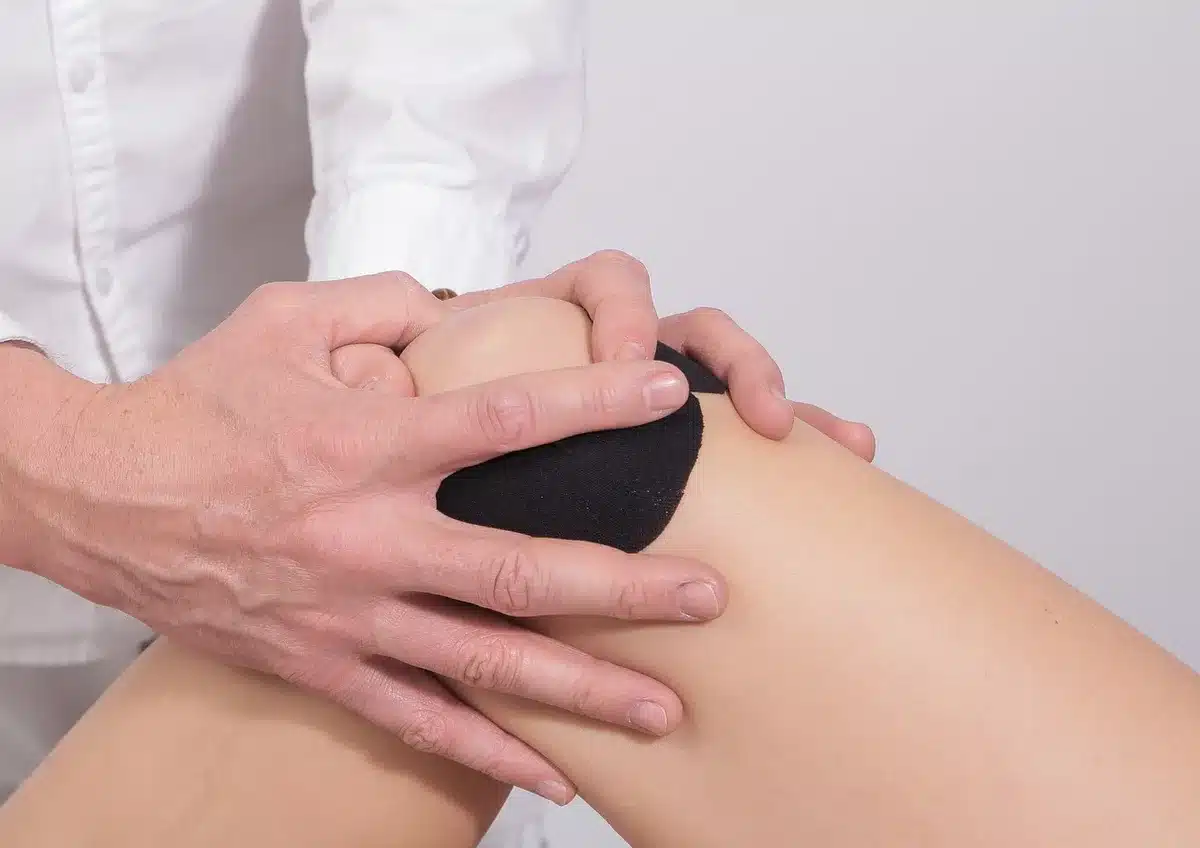
There’s no simple answer. Embiid has endured multiple left-knee surgeries and persistent cartilage concerns since his 2025 procedure. Players with that medical history often have to alter minutes, movement patterns and defensive aggressiveness. Teammates and coaches insist he feels better than before, but the film tells a more complicated story.
Signs to watch on the court:
- Reduced lateral quickness on switches
- Hesitation or shortened stride when contesting drives
- Lower volume of contested shots around the rim
Lineup chemistry: new faces, new dynamics
The arrival of LeBron James and Jaylen Brown changed expectations for how minutes and touches would be distributed. Integrating two high-usage veterans into a lineup built around Embiid and Tyrese Maxey requires trade-offs. In theory, LeBron’s playmaking and Brown’s scoring should alleviate pressure; in practice, adjustments on both ends have been uneven.
Tyrese Maxey’s emergence as a top offensive force has masked several roster deficiencies. His scoring has kept the Sixers competitive while other units rework their roles, but relying on one explosion-of-offense guard isn’t sustainable.
- Maxey: top-10 offensive impact on a nights-to-night basis
- Team three-point percentage: 33.3% (20th in the league)
- Team scoring: 109.4 points per game (24th in the league)
Depth at center and the trade-deadline math
Philadelphia entered the season aware of a thin contingency plan at center. With backup bigs such as Adem Bona sidelined by injury, greater demands have been placed on Embiid to play heavy minutes and cover more defensive assignments. If health is the core issue, the logical recourse is to bolster depth before the trade deadline.
Front-office options will hinge on what the team believes about Embiid’s long-term availability and performance ceiling. Potential approaches include:
- Targeting a defensive-minded backup big who can handle pick-and-roll rolls and lob protection without needing heavy offense
- Adding a stretch-five to offset perimeter collapses and allow Embiid to conserve energy
- Making a wing upgrade to reduce defensive pressure on the interior by closing out shooters more reliably
What the film suggests about immediate adjustments
On a play-by-play level, simpler tactical changes could buy the Sixers time. Coach interventions might include altering rotations, limiting Embiid’s minutes against teams that force excessive lateral movement, or inserting lineups designed to mask any decline in interior mobility.
- Shorter stints for Embiid against fast, switching bigs
- More zone or drop-based coverage to limit chasing on the perimeter
- Increased use of LeBron in pick-and-roll initiations to reduce Embiid’s offensive load
How Philadelphia proceeds depends on medical clarity and whether Embiid can regain enough of his former physicality to anchor both ends reliably. If the trend continues, the front office will face mounting pressure to make roster changes that protect playoff positioning and personnel investment.
You might also like:
- Tyrese Maxey, Sixers: why he’s the key to their success
- LeBron James raises championship expectations for Philadelphia 76ers
- NBA 2025 Eastern Conference contenders and pretenders
- LeBron James’ next team obvious despite prediction market odds
- LeBron James and the Cavaliers: why the pairing could be the wrong fit

John Davis is a sports journalist focused on the NBA, NFL, and major global championships. With seven years of live coverage, he breaks down performances and key strategies. His expertise gives you a clear view of every game and its impact.

