

Show summary Hide summary
- Why Tyrese Maxey Is Becoming Philadelphia’s Go-to Playmaker
- How Maxey’s Inside Game Forces Opponents to Adjust
- Defensive Pressure: Maxey’s Overlooked Impact
- Early-Season Production and What It Signals for the Team
- Roster Construction: Shooting Depth and Durability Questions
- Matchup Dynamics with the Big-Name Additions
- How Opponents Try to Slow Him Down and Why It’s Hard
The Philadelphia 76ers arrived this season with headline names and championship aspirations, but it’s Tyrese Maxey who has been turning hype into production. In close games across consecutive nights, Maxey delivered the kind of finishing and ball-pressure that turned tight situations into decisive swings for Philadelphia.
Big names—Joel Embiid, LeBron James, and Jaylen Brown—grab headlines, but game-to-game the team’s identity has shifted toward Maxey’s playmaking and aggressive paint work. His early-season impact is reshaping how opponents defend the Sixers and how Philadelphia constructs lineups around a dynamic guard who blends scoring and chaos creation.
Why Tyrese Maxey Is Becoming Philadelphia’s Go-to Playmaker
The Growing Demand for Data-Driven Decision Making in Silicon Valley
He quit, ran out of money, and begged to come back — here’s how his boss reacted
Maxey’s role has evolved from supporting scorer to the team’s primary offensive fulcrum. He attacks the lane with a combination of speed, footwork, and finishing ability that forces defenses to rotate and punish mistakes. That shrinking of space opens looks for shooters and reduces the burden on Joel Embiid to be the only dependable option.
Attributes that make him unique on this roster
- Paint penetration: He consistently gets both feet into the paint, allowing him to finish through contact or collapse defenses and find open shooters.
- Transition scoring: Quick break points after turnovers turn defensive stops into immediate offense.
- Playmaking under pressure: He can both initiate the offense and create on the move, a skill set the Sixers lean on when spacing breaks down.

How Maxey’s Inside Game Forces Opponents to Adjust
Opposing teams now have to make a choice: let Maxey attack and risk giving up high-percentage shots at the rim, or drop help and surrender open threes. Neither option is attractive when he’s making reads at a high level.
- Driving all the way to the paint creates kick-outs to shooters.
- Finishing over bigger defenders keeps Embiid and others from being double-teamed as often.
- Constant rim pressure wears on defenses over the course of a game, increasing foul trouble and rotation fatigue.
Defensive Pressure: Maxey’s Overlooked Impact
Even if he isn’t the primary lockdown defender on paper, Maxey’s ability to pressure ball handlers across the floor has tangible effects. Full-court and half-court pressure have rattled star ball-handlers, producing turnovers and easy transition points that tilt momentum toward the Sixers.
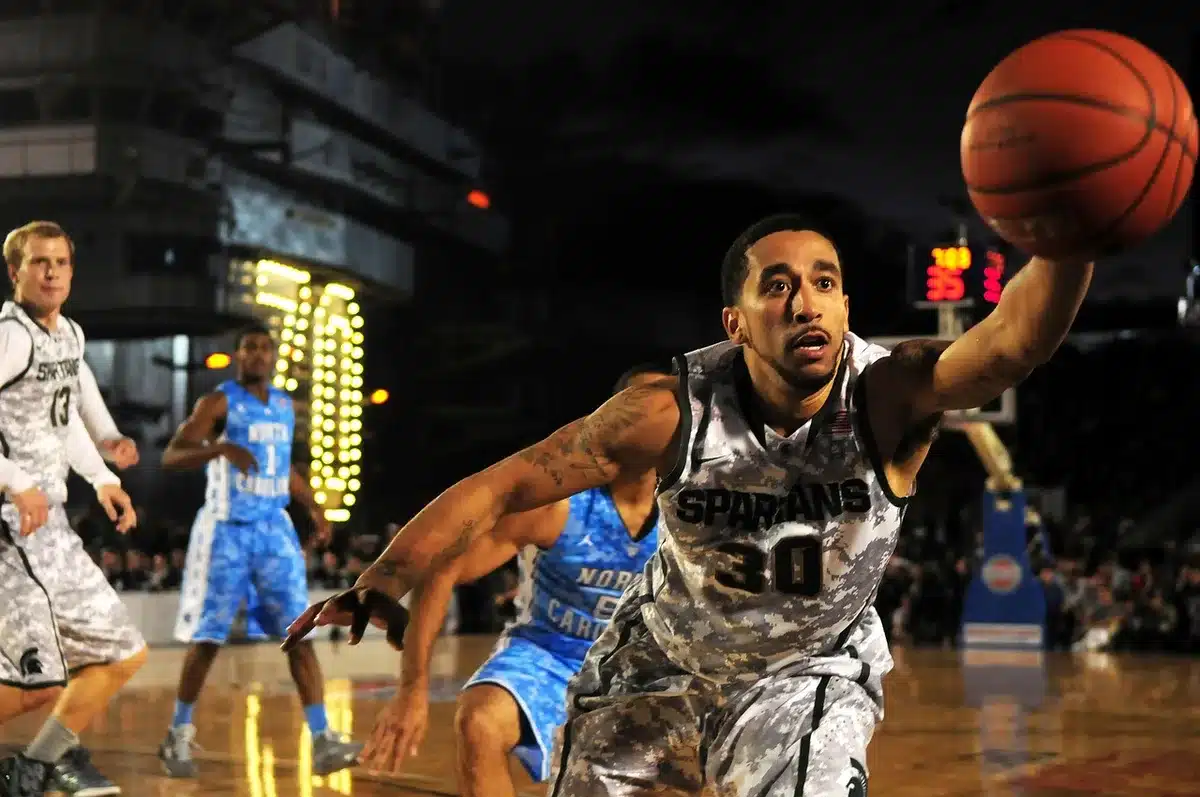
In recent games he forced multiple key turnovers from top guards, leading directly to swift scoring opportunities. That kind of disruptive defense is often undervalued because it doesn’t always show up in traditional defensive metrics, but coaches and teammates feel the difference when opponents start hurried decisions and sloppy possessions.
Specific defensive advantages
- Creates turnovers against less comfortable ball-handlers.
- Speeds up opposing offenses, reducing their half-court efficiency.
- Generates transition chances that play into Philadelphia’s strengths.
Early-Season Production and What It Signals for the Team
Through his first two games, Maxey has averaged roughly 30 points and more than five assists, an aggressive offensive clip that sets a tone for the season. Those numbers are more than box score noise; they indicate a player ready to carry heavy usage while still facilitating for teammates.
- Scoring consistency: High-volume scoring nights force opponents to game-plan specifically for him.
- Playmaking balance: His assist totals show he’s not just a scorer—he’s capable of lifting the team’s efficiency by finding open shooters.
Roster Construction: Shooting Depth and Durability Questions
Maxey’s style generates space and looks for others, but the effectiveness of those kicks depends on the shooters around him. The Sixers have star power in Embiid, LeBron, and Brown, but there are concerns about whether the surrounding cast provides enough consistent perimeter shooting to fully exploit Maxey’s drives.
Key roster variables to watch:
- Do role players hit threes at a sustainable rate when kick-outs arrive?
- Can coaches find lineups that maximize Maxey’s paint threats while preserving defensive balance?
- How the team manages injuries—Maxey’s availability looms large as a determinant of Philly’s ceiling.
Matchup Dynamics with the Big-Name Additions
With elite pieces like Embiid and the additions of LeBron James and Jaylen Brown, the Sixers are stacked on paper. Still, Maxey gives them a different dimension: he’s the one who can consistently attack smaller defenders en route to the rim and create advantages that those bigger stars can capitalize on.
That interplay—Embiid’s post threat, the veterans’ scoring, and Maxey’s lane aggression—creates a multi-headed attack that opponents will have trouble defending if everyone performs at a high level.
How Opponents Try to Slow Him Down and Why It’s Hard
Defenses counter with drop coverage, double teams, or throwing bigger guards at him to slow penetration. But all those counters introduce vulnerabilities:
- Drop coverage leaves shooters open on kick-outs.
- Double teams require rotations that Embiid or Brown can exploit.
- Bigger defenders may limit speed but often lose ground in transition or on quick changes of direction.
As long as Maxey remains healthy and confident, opponents will be forced into imperfect choices every game.
You might also like:
- LeBron James raises championship expectations for Philadelphia 76ers
- NBA 2025 Eastern Conference contenders and pretenders
- 3 NBA playoff teams most likely to be eliminated early
- 2026 NBA offseason: 5 big overreactions to avoid
- LeBron James’ next team obvious despite prediction market odds

John Davis is a sports journalist focused on the NBA, NFL, and major global championships. With seven years of live coverage, he breaks down performances and key strategies. His expertise gives you a clear view of every game and its impact.

